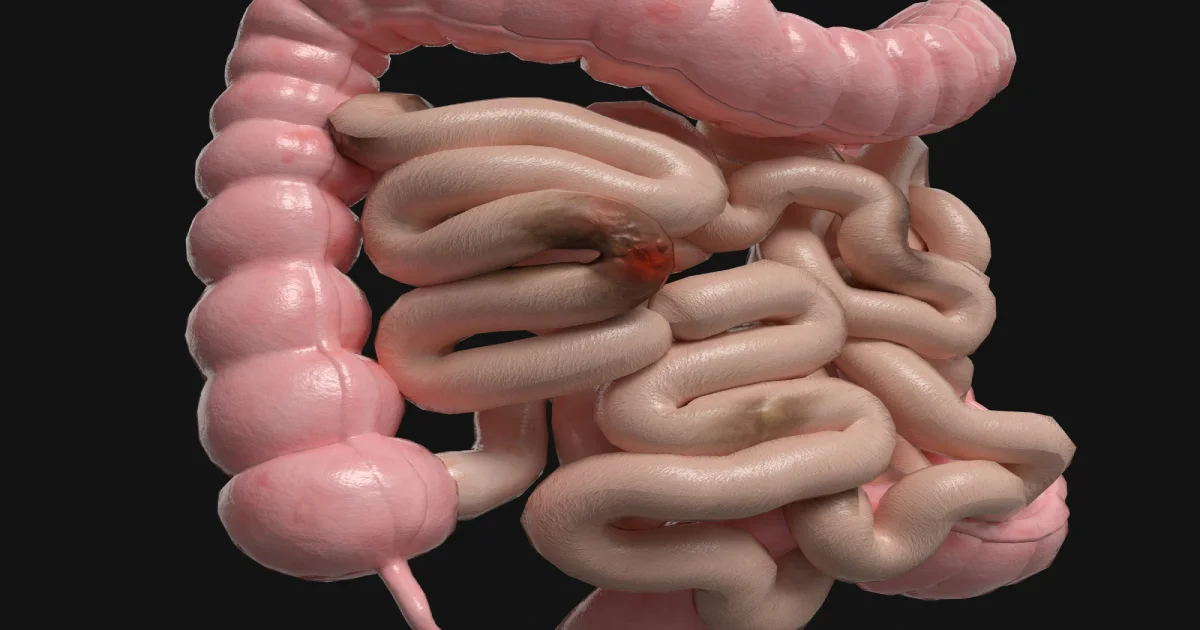
It is not an exaggeration when we say that almost all of us have faced symptoms of irritable bowel syndrome at some point in our lives. It has indeed become one of the diseases of our time, perhaps due to the fast and tense lifestyle, the nature of the foods we eat, or other reasons, but have you ever heard of digestive colon?
What is the difference between irritable and digestive bowel symptoms?
Once some people experience abdominal pain, they expect that it is necessarily related to irritable bowel syndrome, and the truth is that it may actually be a symptom of it, but there are also many conditions that cause stomach pain, including digestive colon.
Irritable bowel syndrome (IBS) and gastroduodenal syndrome (IBD) may have similar symptoms, but they are two very different conditions.
Irritable bowel syndrome
It is a disorder of the digestive system that affects the lower part of it, which includes the small intestine, large intestine, and colon.
Digestive colon
Also known as inflammatory bowel syndrome, it is actually a term that refers to a group of disorders characterized by long-term inflammation in different parts of the digestive system.
Irritable bowel syndrome is related to the functional and neurological aspects, and the digestive colon is affected by organic diseases and infections. Below we explain the difference between the symptoms of irritable and digestive bowel syndrome:
| Irritable bowel syndrome | Digestive colon | |
| The main reason | Functional disorder in the intestines as a result of stress and psychological factors |
|
| Symptoms | Chronic and recurrent, but does not cause obvious organ damage. | Symptoms are temporary or related to a treatable health problem. |
| Food effect | Some foods trigger symptoms, but they do not cause permanent damage to the intestines. | Eating foods that lead to inflammation or aggravate the health problem. |
| Pain | The pain is usually in the lower abdomen, and the cramping decreases after bowel movements. | The pain may be related to eating, or it may be related to stomach disorders such as acidity. |
| Bloating and gas | One of the most common symptoms resulting from bowel movement disorders. | Bloating and gas here are the result of food fermentation or other digestive disorders. |
| Psychological effect | The injury worsens with anxiety and stress. | It is less related to the psychological state compared to irritable bowel syndrome. |
| Treatment methods | Treatment consists of modifying lifestyle, reducing stress and anxiety, avoiding trigger foods, and eating appropriate foods. | Use of drug treatments such as antibiotics and antacids. |
Learn about: Symptoms of irritable bowel syndrome؟
Symptoms of irritable bowel syndrome outside the digestive tract
Many studies conducted on patients with irritable bowel syndrome have shown that the majority of them report non-digestive symptoms, including:
- Total headache (23%-45% of patients with irritable bowel syndrome).
- migraine.
- Sleep disorders.
- Anxiety or depression.
- Body aches.
- Chronic pelvic pain.
- Back pain.
- Unusual frequent urination, and difficulty urinating.
- Constant fatigue even with no effort.
- Bad breath.
- Dizziness.
- Palpitations or rapid heartbeat.
- shortness of breath.
- Muscle pain.
- Sensitivity to heat and cold.
- Pain during intercourse.
- Dry mouth.
- Poor appetite.
How can a doctor distinguish between irritable and digestive bowel symptoms?
The treating physician can distinguish between symptoms of irritable bowel syndrome and digestive colitis through several steps, which we summarize below:
- Review the patient's medical history.
- Carefully evaluate symptoms and conduct the necessary tests.
- To rule out any organic problems, it is important that no infections or damage to the intestines appear on examination.
It should be noted that irritable bowel syndrome is often associated with pathological conditions such as stomach ulcers or intestinal infections, and the problem can also be detected by blood tests and through stool examination in addition to endoscopy. On the other hand, irritable bowel syndrome is associated with stress and psychological pressures, while digestive bowel syndrome is accompanied by clear organic symptoms such as unexplained weight loss or bleeding, and this helps the doctor differentiate between the two conditions.
Book your consultation now at Digestive Diseases Center At Almoosa Specialist Hospital.
How do I know if I have irritable bowel syndrome or gastrointestinal tract disease?
Although there are distinct symptoms for both irritable and digestive bowel syndrome, the doctor's diagnosis remains the decisive factor between the two conditions. It is worth noting that the diagnosis of irritable bowel syndrome depends on its symptoms, while the diagnosis of digestive bowel syndrome requires tests.
Diagnosis of irritable bowel syndrome
Doctors do not order tests to diagnose IBS, but they may order tests to rule out other conditions.
- Health history.
- Family history.
- Physical examination.
- Symptoms.
The doctor diagnoses irritable bowel syndrome by exclusion, that is, he listens to the patient, the symptoms he suffers from, and their pattern of recurrence. If they appear on the patient at least one day a week and continue for 6 months, and the doctor rules out other conditions that may cause them, he diagnoses the patient with irritable bowel syndrome.
Diagnosis of irritable bowel syndrome also focuses on bowel movement, or in other words the number of defecation times, and the appearance of the stool.
Diagnosis of gastrointestinal colon
Diagnosing gastrointestinal colon, unlike irritable bowel syndrome, requires tests, and the doctor may recommend the following:
- Stool analysis.
- Blood tests.
- CT scan.
- Colonoscopy and biopsy (taking a tissue sample) to differentiate between ulcerative colon disorders and Crohn's disease.
- X-rays.
- Magnetic resonance imaging.
Diagnosing gastrointestinal colon is complex and may take months.
How do you know that the colon is inflamed?
There are different types of colitis that occur for several reasons, including infection, ulcerative colitis, Crohn's disease, allergic colitis, etc. However, most of these types share the following symptoms:
- Diarrhea with or without blood.
- Abdominal pain and cramps.
- fever.
- Urgent need to defecate.
- nausea.
- swelling.
- Weight loss.
- Constant fatigue and exhaustion.
Why is there confusion between irritable bowel syndrome and digestive syndrome?
The confusion between irritable bowel syndrome and digestive colon occurs because both conditions affect the digestive system, and cause similar symptoms such as bloating, abdominal pain, and intestinal disorders. The similarity is due to the fact that both are related to bowel functions and movement, and therefore it is difficult for the patient to distinguish between them without a careful medical examination. The main reason for the similarity is that irritable bowel syndrome is the result of a functional disorder in the intestine without organic damage, but digestive colon may be the result of inflammation or organic disease in the digestive system, and the importance of correct diagnosis lies in avoiding inappropriate treatments.
Read also: How do you know you have irritable bowel syndrome?
Through the article, we explained the difference between irritable and digestive bowel symptoms, and because their symptoms, despite some differences, are still similar, it is important to consult a doctor, especially if they continue for a long time. In general, the treatment of colon disorders depends on medications to control symptoms, lifestyle changes and dietary habits, and the patient can live his life normally if he adheres to the doctor’s instructions.
Sources and references: