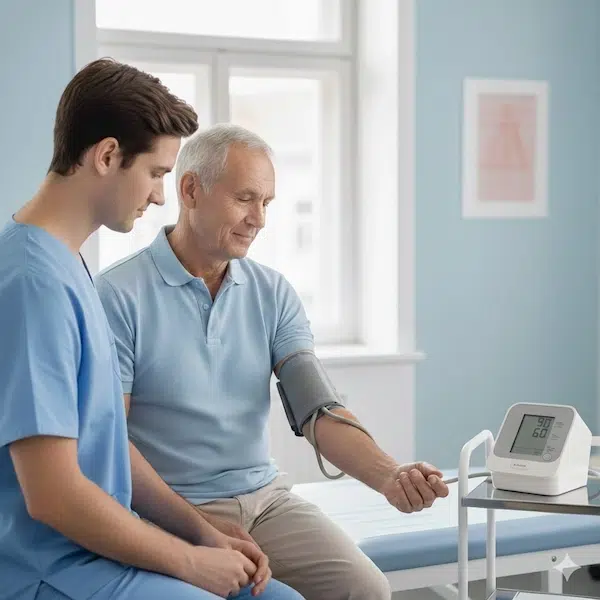
Do you sometimes feel dizzy or suddenly tired?
By recognizing the symptoms of low pressure early, you can intervene quickly to protect your health and reduce the risk of serious problems such as organ collapse or failure.
What is low blood pressure?
Low blood pressure is when the blood pressure is below the normal level (less than 90/60 mmHg), which may prevent adequate blood from reaching the organs, especially the brain, causing dizziness or fainting, and may lead to more serious problems if the drop is sudden or severe.
Low blood pressure can be chronic or temporary, and result from natural causes such as dehydration or sudden standing, or due to health problems or certain medications.
What are the causes of low pressure?
Natural or physiological causes
- Dehydration or lack of fluid intake
- Sudden standing
- التعب الشديد
- After eating
- Emotion or pain
- Long rest
- الحمل
- التقدم في العمر
Acute pathological causes
- Severe bleeding
- Shock
- Severe infections (sepsis)
Chronic disease causes
- Chronic heart problems
- Thyroid or adrenal disorders
- Chronic anemia
- Poor regulation of blood circulation in the elderly

What are the most prominent symptoms of low pressure?
Symptoms of low blood pressure include dizziness, fainting, nausea, blurred vision, fatigue, weakness, and headache, especially when standing or making sudden movements. They may be accompanied by rapid breathing, cold extremities, or difficulty concentrating, and some signs may require intervention.
immediate medical,
-
-
-
-
-
-
اقرأ ايضًا وLearn about the causes of persistent headaches and how to prevent them.

Generated by artificial intelligence Symptoms of low blood pressure vary depending on its type and severity
Symptoms of low blood pressure vary depending on its type and severity. In simple cases, mild symptoms may appear, such as dizziness or fatigue, while in severe or severe cases, they can include fainting, blurred vision, nausea, shortness of breath, and sometimes the need for urgent medical care.
Acute hypotension:
- It occurs suddenly and can be dangerous.
- Often due to bleeding, shock, severe dehydration, or acute infection.
- Symptoms appear quickly and include cold skin, rapid breathing, general weakness, and loss of consciousness, and may constitute a medical emergency.
Chronic hypotension:
- It persists over a long period, and may not cause severe symptoms in some.
- It is often linked to causes such as anemia, thyroid problems, chronic heart disease, or nutritional deficiencies.
- Symptoms include persistent fatigue, dizziness when standing up suddenly, heart palpitations, blurry vision, and sometimes mild nausea.
You also know علي What are the symptoms of thyroid diseases and methods of diagnosing them?؟
Symptoms of low blood pressure vary depending on the cause of the low blood pressure
Symptoms of low blood pressure vary in severity and timing depending on the cause of the drop:
- Sharp and sudden decline: Even without sudden stopping, it may indicate blood loss or shock, and is accompanied by severe symptoms such as cold skin, rapid breathing, and serious symptoms such as fainting.
- Gradual decline: Often due to dehydration, certain medications, or chronic diseases such as diabetes, heart disease, or thyroid disease.
- Drought-induced hypotension: It is accompanied by other symptoms of dehydration, such as dry skin and feeling thirsty.
- Low blood pressure in the elderly: It is often accompanied by loss of balance when standing, and in severe cases, blurred vision and concentration may occur.
- Pressure drop in pregnant women: It is usually accompanied by headache or nausea.
Generated by artificial intelligence When is low blood pressure dangerous?
Low blood pressure is dangerous when it is accompanied by severe symptoms such as severe dizziness, fainting, confusion, shortness of breath, chest pain, cold and pale skin, and increased heart rate, which may lead to a state of shock and decreased oxygen supply to the organs, especially if the drop is severe (less than 90/60 mm Hg) and sudden.
Signs of dangerous low blood pressure (when to seek emergency medical help):- Fainting or loss of consciousness: Even if for a few seconds, it is necessary to see a doctor immediately.
- Severe weakness or sudden fatigue: Inability to perform daily tasks.
- Shortness of breath or chest pain.
- Cold, clammy, and pale skin with heavy sweating.
- Fast or irregular heartbeat.
- Confusion, difficulty concentrating, or sudden blurry vision.
You also know علي الخفقان القلبي: حينما ينبض قلبك بصورة مختلفة، متى تقلق؟
Tips for dealing with low blood pressure at home
- Elevate your legs when feeling dizzy to quickly restore blood flow to the brain.
- drink Caffeinated drinks Like coffee to temporarily raise blood pressure.
- Moderately increase salt in food or drink salty soup to temporarily raise blood pressure.
- Drink plenty of fluids, such as water, juice, or milk, to compensate for the lack of blood and fluids.
- Consult a doctor immediately if symptoms recur or are severe to determine the cause and appropriate treatment.
Do not ignore the symptoms of low blood pressure. Get your consultation with confidence with Al Mousa Health
تقدم Al Mousa Health Group Comprehensive early diagnosis services, with personal follow-up programs and nutritional and therapeutic advice that help control the disease and live in better health. You can also early recognize the symptoms of low blood pressure and understand the causes, which helps you protect your daily health and avoid serious complications.
If you feel any of these symptoms or want to have your blood pressure evaluated periodically, you can visit Al Mousa Health to perform the necessary tests and obtain specialized medical advice. Book your appointment now.
The most common questions about the symptoms of low blood pressure
Does low blood pressure cause death?
Severe or sudden collapse may harm the brain and, in rare cases, may lead to death if it continues without treatment, because it reduces the access of blood and oxygen to vital organs.
What to eat when blood pressure drops?
Small, frequent meals, moderate salt intake, drinking water and juices, and sometimes caffeinated drinks such as coffee.
How do I know that the pressure is low without a device?
Dizziness, fatigue, heart palpitations, cold or pale skin, nausea, and blurred vision, but measuring with a device is the surest way.
What are the symptoms of sudden hypotension?
Severe dizziness, loss of balance or fainting, cold skin, rapid breathing, general weakness, and sometimes blurred vision and heart palpitations, which makes the condition require urgent medical evaluation.
-
-
-
-
-