
Rheumatism in children is known as juvenile rheumatoid arthritis, and it is one of the chronic diseases that affects the joints and connective tissues in children before the age of sixteen. Follow this article with us. We will review the symptoms of rheumatism in children in detail, and how to diagnose and treat it at Al Mousa Specialist Hospital, in addition to some tips for dealing with the patient.
What are the symptoms of rheumatism in children?
Rheumatism is an autoimmune disease, meaning that the immune system attacks the child’s joint cells as if they were foreign bodies such as microbes. This leads to inflammation and the appearance of symptoms of rheumatism in children, the most prominent of which include:
- Joint pain: It is the most common symptom. It may be mild or severe, and large joints are mostly affected, such as the knees, ankles, and wrists.
- Joint swelling and stiffness: they become warm and red, and the child also has difficulty walking or doing daily activities.
- High temperature and fever
- الطفح الجلدي.
- Eye inflammation.
- Loss of appetite, weight loss.
- Swollen lymph nodes.
What are the methods for diagnosing rheumatism in children?
There is no single conclusive test to diagnose rheumatism, as diagnosing symptoms of rheumatism in children requires a comprehensive evaluation, and the diagnostic steps at Al Mousa Specialist Hospital include the following:
- Medical History: The pediatrician reviews the child's medical history, including what symptoms he or she is experiencing, when they started, and how long they have lasted.
- Physical examination of the child: The doctor carefully examines the child to evaluate the affected joints, examine the skin, eyes, and any other signs that may indicate rheumatism.
- Blood tests: To detect signs of inflammation, evaluate organ functions, and rule out other diseases, and include erythrocyte sedimentation rate, CRP, complete blood count (CBC), rheumatoid factor (RF), and antinuclear antibodies (ANA).
- Imaging tests: to evaluate the condition of the joints and surrounding tissues, such as X-rays, MRI, and ultrasound of the affected joint.
- Diagnostic criteria: Doctors use them to diagnose rheumatism in children, such as the International League for Childhood Rheumatology (ILAR) criteria.
Notably, to diagnose rheumatoid arthritis in children, arthritis symptoms must persist for at least six weeks.
Read also: Heart rheumatism How to prevent its complications
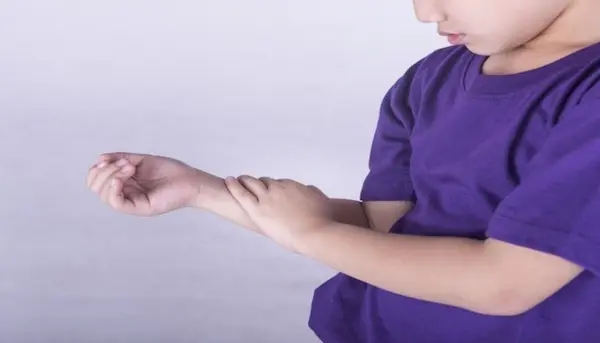
How to treat rheumatism in children
Rheumatism treatment aims to relieve pain and severity of rheumatism symptoms in children, prevent joint damage, maintain joint function, and prevent complications. Treatment methods at Al Mousa Specialist Hospital include the following:
العلاج بالأدوية
- Non-steroidal anti-inflammatory drugs, such as ibuprofen and naproxen, to relieve pain and inflammation.
- Disease-modifying antirheumatic drugs, such as methotrexate, help slow the progression of the disease and prevent joint damage.
- Biological or immunological medications target specific components of the immune system to reduce inflammation. They are used in cases of severe rheumatism that do not respond to other medications.
- Corticosteroids, to relieve inflammation faster, but they are not used for a long time due to their side effects, are given to the child orally, or by injection into the affected joint.
Physical therapy
It has an important role in maintaining joint function and preventing stiffness. It includes stretching and strengthening exercises, the use of warm and cold compresses, and the use of splints and assistive devices.
Occupational therapy
It helps the child learn how to perform daily activities with the least amount of pain possible, and includes using assistive devices and modifying the environment surrounding the child.
تغيير نمط الحياة
- Follow a healthy and balanced diet for the child.
- The child gets enough rest.
- The child should exercise regularly, focusing on exercises that maintain joint flexibility and strength.
- Providing psychological support to the child and his family.
Book your consultation now at Orthopedic center At Al Mousa Specialist Hospital.
Frequently asked questions
What are the ways to prevent rheumatism in children?
After explaining the symptoms of rheumatism in children in detail, parents may wonder about ways to prevent infection. In fact, there are no specific ways to prevent rheumatism in children because its causes are not completely known, but some guidelines can be followed to reduce the risk of infection, such as:
- Preventing rheumatic fever: by immediately and completely treating strep throat in children with antibiotics, because neglecting them leads to the development of rheumatic fever.
- Maintaining a healthy lifestyle by paying attention to the quality of the child’s nutrition, physical activity, and the daily routine of sleeping and waking up.
- Early detection and treatment: If any symptoms of rheumatism appear in children, a doctor should be consulted immediately to help prevent joint damage and improve the child’s quality of life.
- Maintaining a healthy weight for the child to reduce pressure on the joints, reduce the risk of rheumatism or alleviate its symptoms.
Is rheumatism dangerous in children?
Yes, rheumatism is dangerous in children, especially if it is not diagnosed and treated correctly. The danger of rheumatism in children lies in the following:
- Joint damage due to chronic inflammation, causing deformities and disability.
- Effects on the child's growth and development, especially if the condition is severe or long-term.
- Rheumatism affects other organs in the body, such as the eyes, heart, and kidneys, leading to serious complications.
What are the signs of arthritis in children?
The signs of arthritis in children are similar to those that appear in adults, but they are sometimes difficult to detect in children, especially young ones. The most prominent symptoms of arthritis include the following:
- The child complains of pain and swelling in the joints, especially in the morning or after a period of rest.
- The child's affected joints appear swollen, warm, and red.
- Noticing that the child is limping or reluctant to use one of his limbs.
- Joint stiffness: The child finds it difficult to move his joints, especially in the morning.
- Difficulty for the child in carrying out his daily activities, such as dressing or walking.
- The child feels tired and exhausted easily.
- The child may have a low-grade fever.
- A rash may appear on the skin, in certain cases of arthritis.
- The child finds it difficult to make certain movements, such as bending the knees or rotating the wrists.
When is bone pain serious in children?
During growth periods in children, bone pain is normal, but sometimes, it may indicate a serious health problem. Signs of serious bone pain in children include the following:
- The pain persists and does not improve with rest or mild analgesics.
- The pain is severe and prevents the child from performing his daily activities.
- Pain accompanied by other serious symptoms such as fever and chills, swelling or redness in the affected area, difficulty in moving the joint or lameness, unexplained skin rash, loss of appetite or weight, and extreme fatigue and exhaustion.
- Night pain: that is, the child wakes up from sleep because he feels pain.
- Bone pain after injury, such as after a fall or injury, especially if accompanied by swelling or deformity.
In conclusion, it must be remembered that the symptoms of rheumatism in children are diverse and different from one child to another, and the child must be treated for rheumatism under the supervision of a doctor specializing in pediatric rheumatology because of its similarity to the symptoms of other diseases.
Al Mousa Specialist Hospital is one of the leading medical centers that cares for children’s health, and provides comprehensive and specialized medical services in various specialties, including diagnosis and treatment of rheumatism in children. The hospital includes a team of doctors who specialize in pediatric rheumatology, with experience and high competence in diagnosing and treating these conditions.
You can contact us on our numbers listed on the website for more details, reservations and inquiries.
Sources
Your Guide to Juvenile Idiopathic Arthritis and Its Many Types – healthline
What is JIA – jarproject
