
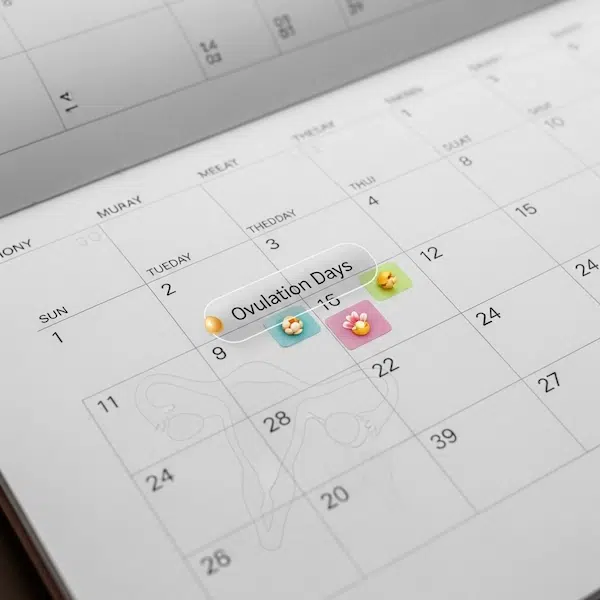
Knowing the days of ovulation after the menstrual cycle is an essential step for every woman seeking to become pregnant or who wants to understand her body cycle better. The schedule of the days of ovulation after the menstrual cycle provides a clear guide that shows the times when the chances of pregnancy are highest, and helps you plan accurately.
Using this table, you can easily determine your fertile days, follow hormonal changes in your body, and understand the different signs of ovulation, which enhances your chances of natural pregnancy and gives you greater awareness of the health of your reproductive system.
How to use the ovulation day schedule after your period, step by step
To accurately determine fertile days after menstruation, Follow these simple steps التالية:
- Determine the first day of the last menstrual period: This date is considered the starting point for calculating the cycle and fertility.
- Adjust the average duration of the menstrual cycle: It is calculated by the number of days between the first day of each cycle until the day before the start of the next cycle.
note: These dates represent an approximate period of peak fertility and are not a sure guarantee of pregnancy.
What if my menstrual cycle is irregular?
A cycle is considered irregular if it is less than 21 days or more than 35 days long. In this case:
- Ovulation may be delayed or irregular, making pregnancy a bit more difficult.
- There are other ways to accurately determine fertile days like:
- Monitoring cervical mucus, which is thick or thin depending on the ovulation period.
- Use ovulation test kits that detect a rise in LH in the urine.
- Measure your basal body temperature in the morning before getting up.
اقرأ أيضاً: Pregnancy symptoms and their differentiation from the menstrual cycle
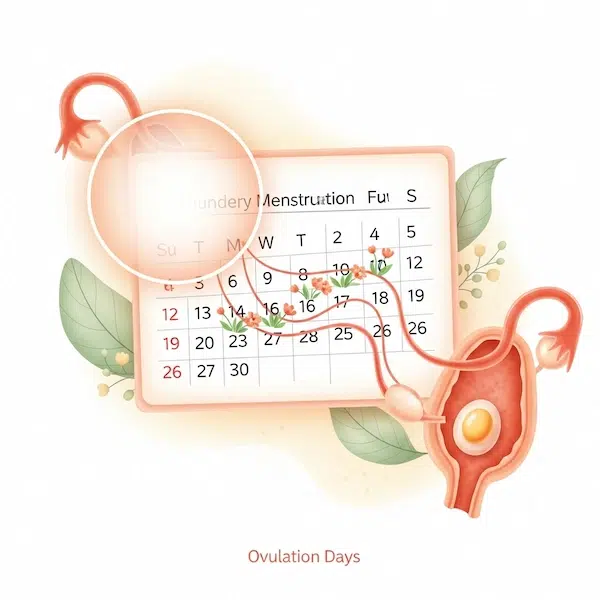
Understanding the menstrual cycle and its relationship to ovulation
- The cycle begins on the first day of menstrual bleeding and ends before the start of the next period.
- Average course duration: 28 days, but 21–35 days is also considered normal.
- First half of the course: Estrogen helps thicken the uterine lining and grow the ovary to release an egg (ovulation).
- Second half of the course: The hormone progesterone prepares the uterus to receive the fertilized egg.
- If the egg is not fertilizedHormone levels decrease and menstruation begins.
- When the egg is fertilizedIt settles in the uterine lining and pregnancy begins.
- Ovulation usually occurs 12–16 days before your next period, so knowing the length of your cycle is essential before trying to conceive.
noteUsing hormonal contraceptives may prevent a normal menstrual cycle for a period, so the history must be carefully followed after stopping it.
Ovulation signs that help you know your fertile days
During ovulation, you may notice some physical signs such as:
- Cervical mucus is thin, slippery and elastic.
- A slight rise in core temperature (about 0.3°C) for 3 days.
- Sometimes light bleeding or blood spots.
- Cramps or tingling on one side of the abdomen.
- Changes in breast or mood and sexual desire.
alert: Some of these signs may be due to other causes, so consult your doctor if unusual or worrisome symptoms occur.
The most important tips to increase the chances of pregnancy
Have sexual intercourse regularly:
- Every two to three days increases the chances of pregnancy, especially during the ovulation period.
- Fertile days typically extend from five days before ovulation to 12–24 hours after.
Monitor mucus during intercourse:
- Having intercourse when the mucus is thin and slippery increases the chances of the sperm reaching the egg.
Healthy nutrition:
- Focus on omega-3 acids, folic acid, calcium, protein, iron, and fiber.
- Healthy foods support reproductive health and increase the chances of pregnancy.
Moderate exercise:
- 30 minutes a day, such as walking, jogging, or lifting weights, helps improve fertility.
إدارة التوتر:
- Stress may delay ovulation and affect egg implantation.
- Try yoga, meditation, a warm bath, walking, or massage sessions to relax.
Get adequate sleep:
- 7–8 hours of continuous sleep helps regularize the cycle and relieve stress.
Quit bad habits:
- Stop smoking and alcohol, and reduce caffeine to less than 200 mg per day.
And in conclusionKnowing the schedule of ovulation days after your menstrual cycle gives you the ability to accurately understand your body cycle, and determine the best fertile period to increase the chances of natural pregnancy. Using the schedule of ovulation days, you can easily follow signs of ovulation and hormonal changes, which gives you greater awareness of your reproductive health and makes you more prepared to plan pregnancy in a thoughtful way.
اكتشف المزيد عن: The first signs of pregnancy
Frequently asked questions about the schedule of ovulation days after the period
Is it possible to get pregnant a day or two before ovulation?
Yes, pregnancy can occur a day or two before ovulation, because sperm may remain alive inside the uterus and fallopian tube for up to 5 days. If the egg is released during this time, the sperm can fertilize it, so intercourse two days before ovulation is considered one of the best times to increase the chances of pregnancy. It is recommended to have sexual intercourse regularly during the fertile period to achieve the best results.
How do stress and tension affect ovulation days?
Stress and tension can greatly affect the regularity of the menstrual cycle and the time of ovulation. Stress may lead to a delay or non-occurrence of ovulation, and makes it more difficult to accurately determine fertile days. Therefore, it is important to practice relaxation methods such as yoga or meditation, and maintain a calm lifestyle to support fertility and improve the chances of pregnancy.
Is it possible to get pregnant during ovulation if I suffer from a hormonal disorder?
Pregnancy is possible, but it may be more difficult if you have a hormonal disorder, such as polycystic ovary syndrome or problems with hormone secretion. These disorders may affect the release of eggs or the quality of the eggs, which reduces the possibility of pregnancy. It is recommended to see a specialist doctor to conduct hormonal tests and follow the appropriate treatment to improve the chances of pregnancy.
Does previous contraceptive use affect ovulation days?
After stopping hormonal contraceptives e.g Pills Or the hormonal IUD. The cycle may take some time to return to its natural regularity. In some cases, ovulation returns immediately after stopping, and in other cases it may be delayed for days or weeks. Monitoring the menstrual cycle after stopping contraceptives is important to accurately determine fertile days.
How do I know if I missed my ovulation period this month?
This can be known by monitoring the usual signs of ovulation, such as cervical mucus changes, high basal temperature, and ovarian contractions. If you do not notice these signs during the middle of your period, or your next period is late, you may have missed your ovulation period. Using ovulation tracking tools such as LH test strips can help determine this more accurately.
Is ovulation painful or causing obvious symptoms?
Ovulation is often painless, but it may cause some minor symptoms in some women, such as cramps or tingling on one side of the abdomen, an increase in vaginal secretions, or slight changes in mood and sexual desire. These symptoms are not guaranteed for all women, and their severity may vary from one cycle to another.
What is the best way to regularly track ovulation days for pregnancy?
The best way to track ovulation days involves combining several methods together to increase accuracy. You can monitor cervical mucus, which becomes thin and slippery before ovulation, measure your basal body temperature daily before getting up, and use ovulation test strips to detect a rise in the LH hormone in your urine. Combining these methods provides an accurate picture of your fertile days and increases your chances of getting pregnant naturally.
What is the relationship of cervical mucus to ovulation days?
Cervical mucus changes during the menstrual cycle, and becomes thin, slippery, and elastic when ovulation approaches. This change helps sperm reach the egg more easily, so monitoring it is an important indicator for determining fertile days. After ovulation, the mucus becomes thicker, indicating the end of the fertile period.
How many days does the fertile period last after ovulation?
The fertile period usually extends from 5 days before ovulation until 12-24 hours after it. The egg is only suitable for fertilization for 12-24 hours after release, while sperm remain alive for several days inside. Reproductive systemTherefore, engaging in marital relations during this period has a significant impact on the probability of pregnancy.

If you want to enhance your chances of pregnancy and accurately track your fertile days, you can rely on the practical tools and guidance it provides Al Mousa Health GroupGet specialized medical support, nutritional and health advice, and personal follow-up plans to accurately determine the days of ovulation after your period, and take your first steps towards pregnancy with confidence and safety.
