
What is the difference between monkeypox and chickenpox?
What is the difference between monkeypox and chickenpox?
The difference between monkeypox and chickenpox lies in several basic aspects:
The reason
- Monkeypox: Caused by the Monkeypox virus from the poxvirus family.
- Chickenpox: Caused by the varicella zoster virus (Varicella-Zoster).
Severity of disease
- Monkeypox: More severe and rare, and may cause serious complications.
- Chickenpox: Mostly mild and commonly affects children.
Skin rash
- Monkeypox: It often starts on the face and then spreads. The blisters become hard and filled with fluid and then fester.
- Chickenpox: A rash that begins on the chest or back, with small, watery blisters that quickly burst.
Transportation methods
- Monkeypox: Through direct contact with infected animals or infected fluids.
- Chickenpox: Through the air or respiratory droplets very easily.
How does the monkeypox virus spread?
After we learned the difference between monkeypox and chickenpox, let us learn about how the monkeypox virus spreads. The monkeypox virus spreads in several ways, including:
- Transmission from animals to humans through contact with infected animals such as rodents or monkeys, exposure to their blood, fluids, or skin secretions, or eating undercooked wild animal meat.
- Transmission from one person to another through direct contact with an infected person’s rash or blisters, or when touching clothing, covers, or tools contaminated with the patient’s fluids, and respiratory droplets while talking, coughing, or sneezing, especially in close and prolonged contact.
- Transmission from mother to fetus and may be transmitted through the placenta during pregnancy, in what is known as congenital infection.
The monkeypox virus sometimes spreads in indirect ways that many people are not aware of, such as through transmission through contaminated surfaces or tools used by an infected person, as the virus can remain on them for a period before a healthy person comes into contact with them. It can also be spread during events or gatherings in which physical contact occurs or the sharing of personal tools. In some cases, trips to infected areas or dealing with animal products that are not sanitarily monitored contribute to increasing the possibility of transmission. These factors make adherence to personal hygiene procedures and avoiding sharing tools extremely important for prevention.
Learn about: Learn about the fastest treatment for chickenpox for adults
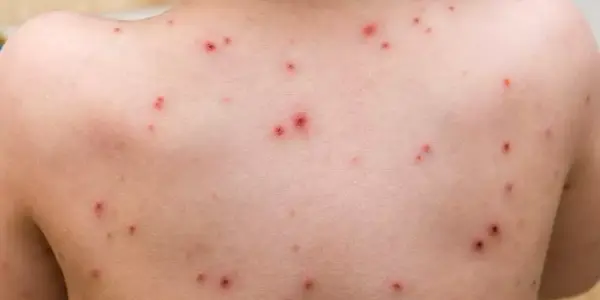
How does the chickenpox virus spread?
The chickenpox virus spreads very quickly, especially among children, and is transmitted through:
- Respiratory droplets when coughing, sneezing, or speaking, as a healthy person inhales the virus spread in the air.
- Direct contact with blisters and contact with the rash or fluids inside the affected person's blisters.
- Touching contaminated surfaces such as clothes, covers, or tools that have touched the patient's blisters.
The chickenpox virus can spread in uncommon but dangerous ways, such as being transmitted through the air over longer distances in poorly ventilated enclosed spaces, where viral particles remain suspended for a period before being inhaled by others. It may also be transmitted from a pregnant mother to her fetus through the placenta, or from the mother to the newborn immediately after birth if she was infected a few days before. In hospitals or nursing homes, it can be transmitted through contaminated hands or medical tools if sterilization procedures are not strictly followed, making strict prevention a necessity in high-risk environments.
Methods of transmission of monkeypox from animals to humans
Prevention depends on avoiding direct contact with animals suspected of being infected, following personal hygiene procedures, and wearing gloves when necessary. Monkeypox infection is transmitted from animals to humans in several ways, the most prominent of which are:
- Direct contact with the blood or body fluids of an infected animal, such as saliva or pus from blisters.
- Exposure to skin secretions or wounds when touching the fur or skin of animals carrying the virus.
- A bite or scratch from an infected animal, allowing the virus to enter the body.
- Eating undercooked meat or products of infected wild animals.
- Handling contaminated animal equipment or cages, as the virus can remain on surfaces for a while.
A less common way for monkeypox to be transmitted from animals to humans is through inhalation of viral particles that may spread in the air when handling the scales or droppings of infected animals, especially in closed spaces or while cleaning their cages. The virus can also be transmitted through contact with contaminated feed or drinking water used by animals carrying the virus. There is a possibility of transmission of the infection during slaughtering or preparing the skins and fur of wild animals if appropriate protective measures are not worn, which makes careful handling and following safety instructions essential to avoid infection.
Complications of monkeypox
Early diagnosis and immediate medical care significantly reduce the risk of these complications. Monkeypox may cause complications of varying severity, especially in children or people with weak immune systems. The most prominent of these complications are:
- Bacterial skin infections resulting from festering or scratching of pimples.
- Pneumonia due to the spread of the virus to the respiratory system.
- Encephalitis, which may lead to serious neurological disorders.
- Keratitis and loss of vision if the rash or infection reaches the eye.
- Chronic swollen lymph nodes, causing pain and weakened immunity.
- Death in severe cases or in the absence of medical care, although the mortality rate is relatively low compared to human smallpox.
Book your consultation now at Dermatology and beauty center At Almoosa Specialist Hospital.
Complications of chickenpox
Obtaining the vaccine and following prevention instructions greatly reduces the possibility of developing these complications, and chickenpox can cause complications, especially in adults, people with weak immunity, or pregnant women, the most prominent of which are:
- Bacterial skin infections resulting from scratching or contamination of pimples.
- Viral or bacterial pneumonia, which is more severe in adults.
- Inflammation of the brain or cerebellum, which may lead to problems with balance or movement.
- Liver problems in some rare cases.
- Reye's syndrome in children if they take aspirin during the infection.
- Secondary infection of the newborn if the mother is infected before or immediately after birth.
Frequently asked questions
Is chickenpox monkeypox?
No, chickenpox and monkeypox are completely different diseases. They are caused by different viruses and differ in the modes of transmission and severity of symptoms, although there are some similarities in the rashes.
What do monkeypox pills look like?
Monkeypox blisters begin as flat, red spots, then turn into fluid-filled blisters, and then into harder, purulent blisters, before drying out and peeling. These stages take several days.
Are there any cases of monkeypox in Saudi Arabia?
Yes, the Saudi Ministry of Health announced the recording of some cases of monkeypox in recent years, with continuous monitoring of the health situation and imposing preventive measures to limit its spread.
If you want to know the difference between monkeypox and chickenpox and ensure the correct diagnosis of your condition, Almoosa Specialist Hospital provides you with a distinguished medical team and accurate examination services with the latest equipment. Do not leave the matter to doubt, as early diagnosis helps you avoid complications.
Sources:
Differences and similarities between Monkeypox and Chickenpox in children during an outbreak-sciencedirect
Mpox and chickenpox are different, unrelated types of viruses – nationalacademies
