
The appearance of smallpox at its beginning shows how to deal with this infectious disease quickly, through the appearance of a skin rash and blisters that spread throughout most parts of the body. Therefore, in our article, we will review the history of smallpox, its types, causes, methods of transmission of infection, its forms, and treatment medications to achieve a complete recovery from the disease.
Definition of smallpox
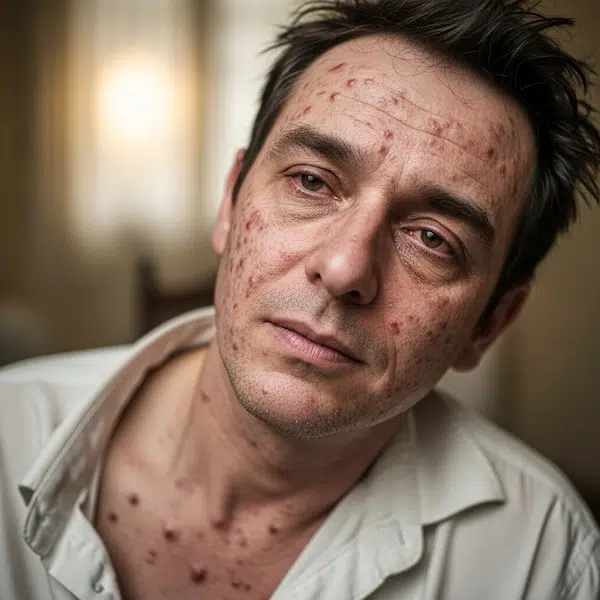
Smallpox is considered an infectious disease based on infection with the smallpox virus (Variola). It appears in the form of a skin rash and blisters that spread throughout most parts of the body. This disease is accompanied by some fever, headache, and a lot of lethargy and muscle pain.
A glimpse into the history of smallpox
The history of the onset of smallpox goes back thousands of years, and there is documented evidence in Egyptian mummies from more than 2,500 years ago, as this disease caused many deaths throughout history and was responsible for a third of blindness in the eighteenth century, until the smallpox vaccine was discovered by the English physician Edward Jenner in 1796, and thanks to global vaccination campaigns led by the World Health Organization, the disease was eliminated globally in 1979, and after its elimination at that time, in 1986 it was announced.
Types of smallpox
There are two main types, under which there are sub-types, and there are also other types other than these two types It will be mentioned here In the following lines:
First: the great smallpox
This type is considered the most common and severe in terms of the disease and its symptoms, and there are four subtypes that come in different forms: We will explain each of them and what distinguishes it from the other type as follows:
- Ordinary smallpoxIt is the most common and most dangerous type of smallpox. It is characterized by the appearance of a rash and blisters on the skin, accompanied by fever, headache, and muscle pain. It can cause serious complications, such as encephalitis and pneumonia.
- Mild smallpoxIt is a less dangerous type than regular smallpox. It is also characterized by the appearance of a rash and blisters on the skin, but the symptoms are milder and less severe, and it rarely causes serious complications.
- Hemorrhagic smallpoxIt is a rare and dangerous type of smallpox, and the most important thing that distinguishes it from other types is the appearance of internal and external bleeding, accompanied by fever, headache, and muscle pain, and it is likely to cause serious complications, such as severe bleeding and encephalitis.
- Malignant smallpox: It is a rare type of smallpox, characterized by the appearance of a flat rash on the skin, without blisters, which can cause serious complications, such as encephalitis and pneumonia.
Read also about: Causes of forehead pimples
Second: smallpox
It is a less common disease and less severe than smallpox. Its symptoms are similar, including fever, blisters, and headache, but with less severity. This type of smallpox rarely causes death.
Is chickenpox the same as smallpox?
No, this is a disease and the other is a disease, and some may confuse smallpox major with chickenpox, due to the similarity of names, but they are completely different, as smallpox major is a deadly disease and no longer exists in this current era after it was eliminated globally in 1979, while chickenpox is a viral disease with different symptoms and duration of treatment. Therefore, we will discuss the difference between smallpox and chickenpox in a simplified manner:
Smallpox diseaseIt is a disease that comes from the smallpox virus (Variola). It has a serious and severe infection. It appears in the form of blisters that spread everywhere in the body at the same time. Its symptoms include high fever and extreme fatigue. Its incubation period is from 7 to 14 days. It currently does not represent any threat because it has been eliminated globally.
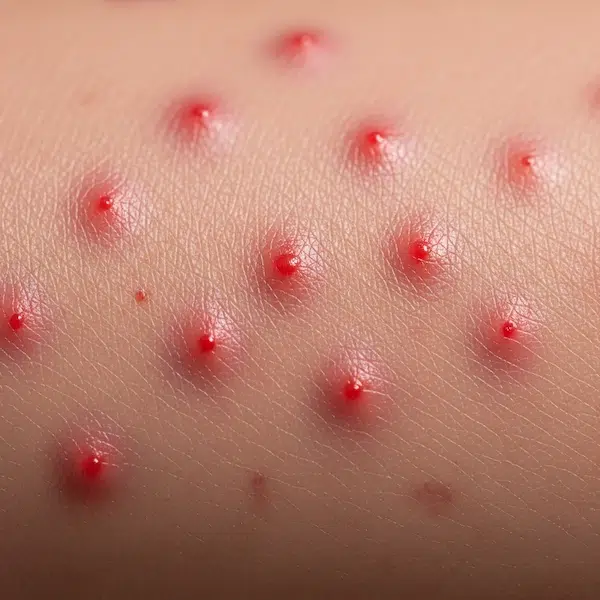
ChickenpoxIt is a disease that comes from the varicella zoster virus. It has a mild and non-serious infection in some cases. It begins on the face, chest, or back and takes the form of red spots that turn into fluid-filled blisters. With itching, it spreads throughout the rest of the body. Its symptoms include mild fever, fatigue, and loss of appetite. Its incubation period is from 10 to 21 days. It is treated and prevented with the chickenpox vaccine.
Chickenpox (causes, methods of transmission, risk factors for infection)
Chickenpox is a contagious disease resulting from infection with a virus. We will get to know it well because it is easy to deal with when infected or to deal appropriately with the person infected with it. This will be mentioned in the following lines:
Causes of chickenpox
- Respiratory exposure from an infected person through coughing or sneezing.
- Touching infected blisters.
- Touching surfaces and tools contaminated with fluid from chickenpox blisters.
- People who are not vaccinated with the chickenpox vaccine.
Methods of transmission of chickenpox infection
- Through the air When an infected person coughs or sneezes, droplets containing the virus spread into the air and can be inhaled by others.
- Direct contact through touching fluid-filled blisters on the skin of an infected person, or contact with the fluid from the blisters.
- Indirect contact comes by touching objects contaminated with blister fluid, such as clothing or bedsheets.
Factors that increase the risk of chickenpox
- Not contracting the disease earlier.
- Not receiving the chickenpox vaccine.
- Weakness of the immune system as a result of diseases such as cancer or due to taking some different medications.
For more information about: Causes of back pigmentation
Discover the forms of smallpox
Here we will learn what smallpox looks like at its beginning and end, and how the disease appears in adults, children, and infants. So that we know all the shapes and their explanation as follows:
Forms of smallpox according to stages and timing
The timing here is the form of smallpox at its beginning and the end of the stage before recovery, so that we get to know it well. Below we will explain the timing of the stages of the disease, which are:
The early form of smallpox
Chickenpox initially appears in the form of small red itchy spots on the face and chest areas. They quickly develop into prominent bumps within 6 to 8 hours and then turn into small blisters filled with fluid, and spread in more than one place throughout the body.
Smallpox form at its end
Smallpox at its end is considered to have a completely different appearance than at the beginning of its existence, as the appearance of the skin rash consists of dry, brown crusts until the blisters that were filled with fluid become completely dry, and thus these crusts fall off automatically within days and a maximum of two weeks, and once they fall, the affected person is considered healthy and healthy from this disease.
Forms of smallpox according to age
The forms of smallpox are similar for both adults and children, with minor differences We will mention them below:
The early form of smallpox for adults
It appears at the beginning when the patient feels body fatigue, cough, high temperature, sore throat, headache, and loss of appetite. Then the symptoms continue until small red spots appear that begin to appear on the face, chest, and back, spreading to all parts of the body, in addition to the presence of blisters filled with fluid, which may become irritated and severely itchy. After taking appropriate medical treatment, these blisters begin to dry and peel.
The early form of smallpox for children
Smallpox begins in children in the form of red spots on the torso and face in most cases. They later appear on the arms and legs, and sometimes they appear later on the scalp and inside the mouth. Within 6 to 8 hours, each spot becomes prominent, until these spots turn into pimples and then into crusts, as is the case with the development of the disease in adults.
Medications to treat chickenpox
- Acyclovir.
- Valacyclovir.
- Famciclovir.
There are also some other medications to help treat chickenpox, such as pain-relieving medications, topical ointments and creams, which are used to relieve itching and skin irritation resulting from blisters.
Discover also: Dermatology and beauty clinics
FAQ:
Is chickenpox contagious?
Yes, smallpox is contagious, and the infected person should not share the same room or use eating utensils sleep With him to avoid transmitting infection.
When does a chickenpox patient recover?
Usually, a person infected with chickenpox recovers between 10 and 21 days from the beginning of his infection. As soon as symptoms of the disease appear, he must go to the doctor and comply with medical treatment so that he recovers quickly and does not harm anyone he deals with, especially family members.
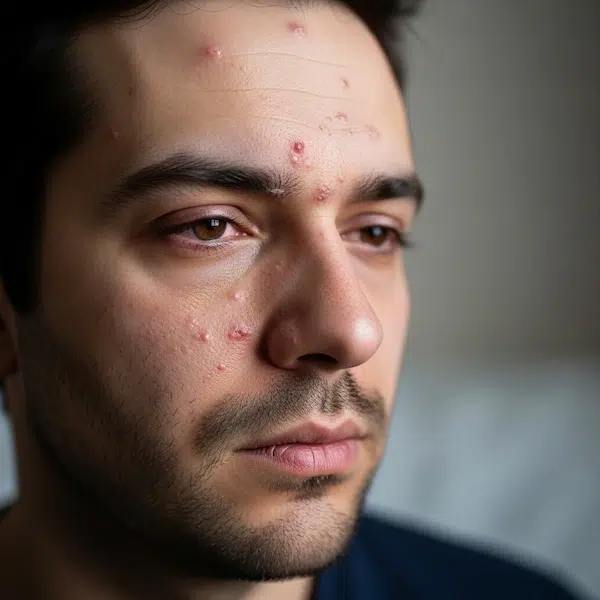
In conclusion..she advises . All citizens, if the early form of smallpox appears, you must go to the hospital to diagnose these symptoms and perform the necessary medical tests using scientific means and methods and present the results to the best specialized doctors, to prescribe the optimal treatment for your health condition, in addition to a medical team communicating with you to follow up on you throughout the week to check on your precious health.
