
Therapeutic massage relies mainly on well-thought-out techniques to improve the health of the body and mind together. It works to relieve muscle tension, stimulate blood circulation, and reduce pain resulting from injuries or stress. It enhances the feeling of relaxation and improves the quality of sleep. It is used as part of physical therapy or rehabilitation plans after injuries. It is suitable for all age groups, whether for athletes or those suffering from chronic pain. It should be noted that therapeutic massage combines rest and treatment at the same time, and is ideal for those looking for recovery in a safe way. In the following lines with Al-Mousa Hospital.
What is therapeutic massage?
Before we learn about the types of therapeutic massage, its benefits, and the techniques used, let us shed light on what it is. What is therapeutic massage?
Learn about: Learn about natural treatment for osteoporosis
Types of therapeutic massage
As for the types of therapeutic massage, there are many types that suit different needs. Each type is used in a special way and techniques targeting specific health problems. The most prominent types of therapeutic massage are the following:
- Swedish massage, which is one of the most common types, relies on long, light movements that help in general relaxation and stimulating blood circulation, and it is often used to relieve stress and anxiety.
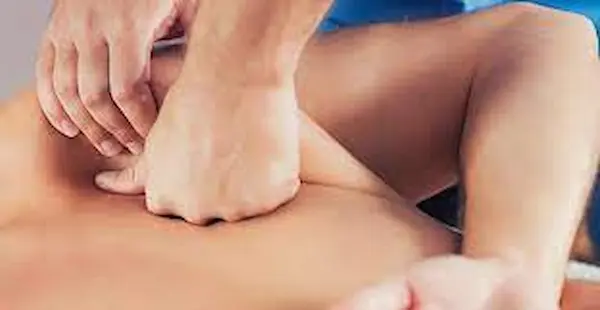
- Deep tissue massage focuses on the deep layers of muscles and tissues, and is used to treat chronic muscle tension, inflammation, and sports injuries.
- Sports massage is designed specifically for athletes, and is used before or after physical activity to improve performance or speed up recovery from injuries, and combines multiple techniques.
- Trigger point massage targets sensitive points in the muscles that cause pain in other areas, and is used to relieve widespread or chronic muscle pain.
- Thai therapeutic massage combines pressure on vital points and stretching exercises, and helps improve flexibility and energy balance in the body.
- Hot stone massage uses warm stones placed on specific areas of the body to relieve tension and stimulate blood circulation, with light massage touches.
- Medical therapeutic massage is used within a treatment plan under medical supervision, to treat specific cases such as back pain, neck problems, or after surgeries, and it is customized according to each case individually.
Types of therapeutic massage vary not only in their methods, but also in their therapeutic goals and the needs of different groups. In addition to the well-known types such as Swedish and deep tissue massage, there are other specialized types such as lymphatic massage, which is used to stimulate fluid drainage and reduce swelling, and is especially useful after surgeries or in cases of a weak lymphatic system. There is also prenatal massage designed specifically to relieve back pain and tension in pregnant women in a safe way, in addition to neuromuscular massage, which focuses on correcting imbalances in movement and muscle function resulting from nervous tension or stress.
Therapeutic massage techniques
Therapeutic massage is performed using a group of different techniques, the choice of which is most appropriate varies depending on the type of massage and the patient’s health condition. The therapist chooses the most appropriate method to achieve the best results. The most prominent of these techniques are the following:
1. Deep pressure
It is used to break up spasms and adhesions in deep muscle tissue, and is applied slowly and forcefully, especially in cases of chronic muscle tension or sports injuries.
2. Kneading
A technique based on repetitive circular pressure, used to stimulate blood circulation and soften muscles, help relieve tension and improve joint mobility.
3. Stroking
These are long, gentle sliding movements towards the heart, and are used to start and end the session, and help calm the nervous system and improve blood flow.
4. Cross stirring technique
It focuses on the affected tissue with short or criss-crossing movements, and is used to break up fibrous tissue and prevent scarring at the affected area.
5. Pressure on tension points
It is a technique that targets highly sensitive muscle points, and pressure is applied to reduce temporary or chronic pain in the body.
6. Shaking and patting
It is a rapid movement technique used to stimulate muscles and improve nerve activation, and is used in sports massage or to enhance muscle alertness.
7. Tension and stretching
A technique combined with massage to increase the flexibility of muscles and joints, and is useful in cases of stiffness or chronic lack of movement.
Book your consultation now at Physical therapy At Al Mousa Specialist Hospital.
What are the benefits of therapeutic massage?
There are many health benefits resulting from therapeutic massage, which include benefits for the body and others for the mind. It is useful in greatly relieving pain. Among the most prominent benefits of therapeutic massage are the following:
- It helps reduce muscle spasms and joint pain resulting from tension, injury or chronic stress, and is effective for conditions such as back, neck and shoulder pain.
- It enhances blood flow in the body, which improves the delivery of oxygen and nutrients to the tissues, and accelerates the healing and recovery process.
- It stimulates the secretion of happiness hormones such as serotonin and dopamine, and reduces cortisol levels, giving the body a feeling of relaxation and psychological comfort.
- It reduces the problem of muscle stiffness and helps increase range of motion, which is useful in rehabilitation after injuries or surgeries.
- It contributes to activating the lymphatic system, which helps in eliminating toxins and strengthening the body’s immunity.
- It helps with deep relaxation and reduces insomnia, and is considered an effective option for those who suffer from sleep disorders resulting from stress or pain.
- It is useful in relieving headaches resulting from muscle tension, especially in the neck and shoulders, and reduces migraine attacks for some.
- It reduces muscle pain after exercise and speeds up recovery, so it is widely used by athletes as part of their recovery routine.
Negative effects of therapeutic massage
Although therapeutic massage is considered safe and effective for most people, it may cause some temporary or rare negative effects, especially if it is applied incorrectly or in cases for which it is not appropriate. The most prominent of these effects are the following:
- Some people may feel mild pain or sensitivity in the areas that were massaged, especially after deep pressure sessions, and this effect usually goes away within 24 to 48 hours.
- If the pressure is strong or the skin is sensitive, mild bruising or temporary redness of the skin may appear, especially in people with fragile blood vessels.
- Some people may feel tired or dizzy as a result of extreme relaxation or stimulation of blood circulation, and it is recommended to rest and drink water after the session.
- In certain cases, such as blood clots, heart problems, or severe joint inflammation, massage may lead to complications, so you should consult a doctor before starting the sessions.
- Some people may have allergic reactions to the oils or substances used during the massage, and it is recommended to use natural or hypoallergenic products.
- If there are open wounds or skin infections, massage may increase the risk of spreading the infection, so it should be avoided in these cases.
- Pregnant women or elderly people with osteoporosis should be massaged with caution, as excessive pressure may be harmful.
Learn about: Physical therapy Benefits, devices and diseases it treats
What are the cases in which therapeutic massage is prohibited?
Therapeutic massage is prohibited in some medical cases in which it may exacerbate the health problem or cause complications, so it is important to know these cases before starting any massage session, the most prominent of which include:
- Blood clots, such as deep vein thrombosis (DVT), massage may dislodge the blood clot, which poses a life risk if it moves to the lungs or heart.
- Fractures or recent injuries: It is not recommended to massage areas recently affected by a fracture or tear, until complete healing occurs, because pressure may cause the injury to worsen.
- Skin infections or open wounds, where there are infections, ulcers, or blisters in the skin, are a contraindication to massage, because it may transmit the infection or aggravate it.
- Fever or acute infection. When there is a high temperature or an active infection, massage is prohibited because it may increase the spread of the infection within the body.
- Severe heart problems, such as heart failure or severe arrhythmia, require extreme caution, and massage can be dangerous in these cases without medical supervision.
- Cancer is in some stages, so a doctor should be consulted before massage, especially if there is an active tumor, because some types of massage may stimulate blood flow to areas that should not be stimulated.
- Bleeding or blood clotting disorders, such as cases of hemophilia, or when taking blood-thinning medications, because massage may lead to bruising or internal bleeding.
- Pregnancy in some months or in incorrect positions prevents random massage, especially in the first months or if it is done incorrectly. A specialized pregnancy massage is preferred.
- Contagious skin diseases such as impetigo, fungi, or scabies, because massage may spread the infection to other areas of the body or to the therapist.
- Uncontrolled high blood pressure: Massage may temporarily alter blood pressure, so it should be avoided until the condition is under control.
Frequently asked questions
What is the meaning of therapeutic massage?
Therapeutic massage is a type of massage used for medical purposes that aims to relieve pain, improve muscle and joint function, and stimulate the body’s natural healing. It differs from regular massage because it relies on thoughtful techniques applied by specialists to treat problems such as spasms, sports injuries, back and neck pain, and chronic stiffness.
What is the therapeutic massage method?
The therapeutic massage method is applied through pressure, friction, and stroking movements on specific areas of the body, using the hands, fingers, or even the elbows. It includes stretching exercises for the muscles and joints, deep pressure to break up muscle spasms or knots, and circular movements to stimulate blood circulation. The method is customized according to the patient’s condition, and is preferably performed by a specialized therapist to obtain effective and safe results.
What is the specialty of therapeutic massage?
The specialty of therapeutic massage is classified as a rehabilitative therapeutic specialty, and requires study or accredited training in areas such as body anatomy and functions, therapeutic and sports massage techniques, and dealing with muscular and joint injuries. The specialist in this field is also known as a “therapeutic massage therapist” or “manual therapist,” and often works within physical therapy teams or in health centers.
What is the difference between therapeutic and relaxation massage?
The main difference lies in the goal and method of application. Therapeutic massage is used to treat a physical problem such as pain or stiffness, and relies on deep and targeted techniques, often focusing on a specific part of the body. Relaxation massage aims to provide psychological comfort and relieve general tension. It uses light pressure and soft movements over the entire body, without targeting a specific muscle or injury. Therefore, therapeutic massage is a specific treatment, while relaxation massage is considered part of self-care and well-being.
With therapeutic massage sessions at Al Mousa Specialist Hospital, where medical expertise receives superior care, book your appointment now with a group of certified therapists.
المصادر:
Therapeutic Massage: What It Is and 4 Benefits – clevelandclinic
Therapeutic massage for pain relief – health.harvard.
