
Anal fissure is a common health problem that causes the sufferer severe pain and difficulty in performing simple daily activities, such as sitting or defecating. It is a small wound in the lining of the anal canal, and it often results from chronic constipation or straining during defecation. Although an anal fissure may seem simple, neglecting it may lead to painful complications that require greater medical intervention. Fortunately, the methods of treating anal fissures vary between drug treatments and simple procedures, and sometimes surgical intervention, all of which aim to speed up recovery.
What is an anal fissure?
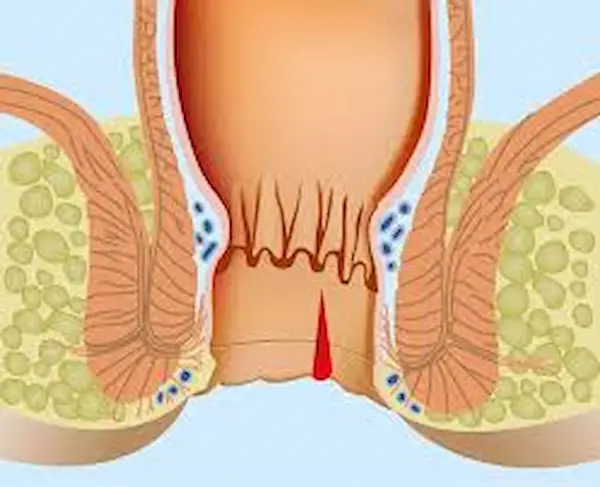
An anal fissure is a tear or small wound that occurs in the lining of the anus and anal canal, causing a feeling of severe pain during defecation that may last for several minutes or hours afterward. An anal fissure is often associated with chronic constipation or the passage of hard, dry stools, but it may also occur due to recurrent diarrhea, natural childbirth, or extreme straining during defecation. Although an anal fissure is a common occurrence, early treatment helps with rapid recovery and avoiding complications.
Symptoms of anal fissure
Symptoms of anal fissure are usually clear and cause great discomfort to the patient, as they directly affect the quality of his daily life. Symptoms of anal fissure are as follows:
1- Pain during and after defecation
- Where severe pain is felt, which is the most common symptom of anal fissure.
- The patient feels as if there is a wound or cut while passing stool.
- Pain may last from several minutes to hours after defecation due to spasm of the anal muscles.
2. Anal bleeding
- It often appears as a few drops of bright red blood on stool or toilet paper.
- Bleeding is usually light and not continuous, but it causes concern for the patient.
3. Itching and irritation
- An anal fissure causes chronic itching or a burning sensation in the anal area.
- This is caused by persistent inflammation or irritation of the surrounding skin.
4. Muscle spasm
- The fissure causes a spasm in the muscles of the anus, which increases the severity of the pain and the difficulty of passing stool.
5. Discharge and feeling of wetness
- The patient may notice a slight discharge or a persistent feeling of uncleanliness in the area.
6. Symptoms in chronic cases
- If the incision continues for a long time without treatment, a small skin tag may form near the incision site.
- Sometimes what is known as a chronic fissure appears, which is deeper and more difficult to heal.
Causes of anal fissure
There are many causes that lead to an anal fissure, and they are often related to factors that lead to increased pressure or injury to the lining of the anal canal. The most prominent of these causes are:
- Suffering from chronic constipation, as the passage of hard, dry stools causes a direct tear in the lining of the anus as a result of excessive tension.
- Recurrent diarrhea also causes constant irritation of the anal lining due to loose and frequent stools that may lead to fissures.
- Natural childbirth in women. Pressure on the pelvic area during childbirth may lead to anal fissures.
- Straining during defecation. Excessive effort when passing stool increases the possibility of tissue tearing.
- Chronic diseases: Some conditions, such as Crohn's disease or chronic intestinal infections, weaken the mucous membrane, making it more susceptible to tearing.
- Unhealthy habits such as ignoring the need to defecate or sitting for long periods in the bathroom.
What are the types of anal fissure?
Before we learn about the methods of treating anal fissures, let us shed light on its types. Anal fissures are usually divided into two basic types, depending on the duration of the infection and the severity of the symptoms, which are:
1- Acute anal fissure
- It is the most common type and occurs suddenly as a result of severe constipation or the passage of hard stools.
- It is characterized by severe pain during defecation with minor drops of blood.
- The incision is usually superficial and small, and heals within a few weeks with medication and lifestyle changes.
2. Chronic anal fissure
- It occurs when the crack lasts more than 6 to 8 weeks without healing.
- It is deeper and more noticeable, and may be accompanied by a small skin tag next to the incision.
- In this type, symptoms are more severe, such as persistent pain, frequent bleeding, and strong muscle spasms.
- This type requires advanced medical intervention in some cases, such as injections or surgery if it does not respond to conservative treatment.
Get to know: the top 3 Methods of treating hemorrhoids What are the appropriate topical ointments?
Methods of treating anal fissures
Methods of treating an anal fissure depend on the severity of the condition and whether the fissure is acute or chronic, and include both home treatment as well as drug treatment, and there are advanced treatments in addition to surgical intervention. We explain the methods of treating surgical fissures as follows:
1- Home treatment
- Drink more water to keep stool soft.
- Eat fiber, such as vegetables, fruits, and whole grains, to avoid constipation.
- Use warm water baths to help soothe pain and relieve muscle spasms.
- Avoid straining during defecation and maintain healthy toilet habits.
2. Drug treatment
- One of the ways to treat anal fissures is to use laxatives to facilitate the passage of stool.
- Topical ointments such as creams containing a local anesthetic to relieve pain.
- Vasodilator ointments such as glycerin nitrate or calcium ointment to reduce spasm and improve blood flow and thus speed up healing.
- Painkillers as needed to relieve symptoms.
3. Advanced treatments
- In advanced cases, methods of treating anal fissures are resorted to using Botox injections to reduce anal muscle spasm and stimulate healing.
- Resorting to laser treatment in some cases to help tissues heal faster.
4. Surgical intervention
- It is used among the methods of treating anal fissures in cases of chronic fissures that have not responded to other treatments.
- The most popular operation is cutting the lateral internal sphincter, which reduces spasm and helps heal the fissure.
Learn about: What are the symptoms of hemorrhoids during pregnancy?
Medications related to anal fissure
Of course, there are many medications that doctors rely on for drug treatment among the methods of treating anal fissures. These medications, in turn, aim to relieve pain, facilitate defecation, and stimulate the healing of the anal fissure. Below we explain the most prominent medications used in treatment:
- Laxatives such as lactulose, bisacodyl, and docusate sodium, which help soften the stool and make it easier to pass to reduce pressure on the anal area.
- Topical ointments such as glycerin nitrate ointment, which dilates the vessels and reduces spasm, topical diltiazem or nifedipine ointment, which relieves muscle spasm and aids healing, and anesthetic ointments such as lidocaine to quickly reduce pain.
- Painkillers such as paracetamol or ibuprofen to relieve pain associated with defecation.
- Botox injections to reduce muscle spasm and help heal the fissure in chronic cases.
Tips for living with an anal fissure
“How can I live with an anal fissure?”
- The importance of wearing loose cotton underwear helps reduce friction and moisture in the anal area.
- Avoid sitting for long periods on hard surfaces by taking breaks or using a round pillow to relieve pressure.
- Stay away from spicy and fatty foods that may further irritate the intestines and worsen symptoms.
- Maintaining a fixed daily routine to defecate at specific times in order to train the bowel to be regular.
- Practice moderate physical activity, such as daily walking, to stimulate bowel movement and prevent constipation.
- Pay attention to cleanliness gently by washing the area with lukewarm water and drying it gently instead of using dry or rough tissues.
- Stay away from tension and psychological pressure as much as possible, as this may affect the functions of the digestive system and make it more difficult to live with the condition.
How can anal fissure be prevented?
Since prevention is better than cure, this principle also applies here, as prevention is better than methods of treating an anal fissure. If you fear infection, you must protect yourself first. Prevention of anal fissure depends on avoiding the causes that lead to a tear in the lining of the anal canal, by following a healthy lifestyle that protects the digestive system and prevents constipation or chronic diarrhea. This can be achieved by:
- Maintain a healthy weight. Being overweight can affect pelvic pressure and increase the chances of injury.
- Regulating meal times, as this trains the intestines to move regularly and avoid irregular defecation.
- Paying attention to mental health, as stress and anxiety may lead to disorders in the digestive system and thus cause constipation or diarrhea.
- Avoid lifting heavy weights incorrectly, as this may put pressure on the pelvic muscles and contribute to the appearance of cracks.
- Conducting periodic examinations of the digestive system, especially for those suffering from diseases such as irritable bowel syndrome or Crohn's disease.
- Reduce stimulants and caffeine, as they may cause dehydration and increase stool hardness if consumed in excess.
- Taking care of balanced nutrition, focusing on minerals such as magnesium, which helps improve normal bowel movement.
Do not let the pain of anal fissure hinder your comfort and daily life from now on. Early treatment is the most important step towards a quick recovery, and at Al Mousa Specialist Hospital you will find a specialized medical team that provides the latest methods of diagnosis and treatment with the highest standards of quality and care. Book your appointment now with the elite doctors to begin your recovery journey.
Frequently asked questions
Does the crack heal on its own?
In many cases, an anal fissure can heal on its own within a few weeks if it is acute and not chronic, when following some simple measures such as drinking plenty of water, eating foods rich in fiber to facilitate defecation, and keeping the area clean. Warm baths and avoiding constipation or straining during defecation also help speed up healing, but if the pain and bleeding continue for more than 6 to 8 weeks or the fissure turns into a chronic condition, it may not heal automatically and requires medical intervention, whether with medications or surgical procedures.
Does olive oil treat cracks?
Olive oil is not a direct medical treatment for anal fissures, but it may help alleviate symptoms indirectly. Eating it in the diet contributes to improving digestion and softening the stool, which reduces the occurrence of constipation and straining during defecation, which are among the most prominent reasons for the fissure to persist. Some people also use olive oil topically to reduce dryness and soothe irritation, but its effectiveness has not been scientifically proven as a cure. Therefore, it can be considered an auxiliary factor within a healthy lifestyle, but it does not replace medical advice or drug treatment when
Sources
Diagnosis – mayoclinic
