
Treating diarrhea for children Diarrhea is one of the common health problems that children are exposed to, so it is important to know the methods of treating diarrhea for children, especially since it is one of the diseases that raises the concern of parents because it may lead to serious complications such as dehydration, which causes a threat to the child’s health. Diarrhea occurs for multiple reasons, and it may be a temporary symptom that disappears on its own, but in some cases it requires follow-up and care. This is why it is important for parents to be sufficiently aware of the causes of diarrhea, how to deal with it, and follow the correct methods for treating and preventing it. At Al-Mousa Health Hospital, you can receive
Treatment of diarrhea for children
Treatment of diarrhea for children at Al Mousa Specialist Hospital depends on the cause and severity of the condition, but in general the treatment steps include the following:
- Giving an oral dehydration solution to replace lost fluids and salts. It can be purchased from pharmacies, and must be given to the child according to the doctor’s instructions or on the package.
- Continue breastfeeding or formula milk, in the case of infants, to replace fluids in the body.
- Giving the child water in small and frequent quantities, and fluids, especially fluids rich in vitamins and minerals, to compensate for the deficiency and avoid dehydration.
- Feed the child light, easy-to-digest foods, such as bananas, rice, applesauce, and toast.
- Avoid fatty, spicy and sweet foods as they increase diarrhea.
- Use anti-diarrheal medications under the advice of a doctor.
- Take antibiotics prescribed by the doctor based on the diagnosis, in cases of bacterial infections.
- In cases of severe dehydration, intravenous fluids should be given to the child in the hospital.
As for older children, easy-to-digest foods can be provided, such as boiled rice, boiled potatoes, mashed bananas and grated apples, and avoid fatty and fried foods, soft drinks, and sweetened juices to reduce the increase in diarrhea.
Symptoms of diarrhea in children
Symptoms of diarrhea in children are numerous and due to several reasons, which include the following:
- Increased frequency of defecation, with a change in stool consistency to become loose or watery.
- Abdominal pain and cramps where the child feels uncomfortable or cries because of the pain.
- Nausea or vomiting, sometimes accompanied by diarrhea.
- Abdominal bloating due to gas accumulation.
- A slight or severe increase in temperature, depending on the cause of the diarrhea.
- Constant feeling of the need to defecate
- Blood or mucus appears in the stool in some severe cases.
- Signs of dehydration include dry mouth, decreased urination, crying without tears, and extreme lethargy.
Causes of diarrhea in children
There are many causes of diarrhea in children, including the following:
- Viral infections, such as rotavirus, are the most common cause among children.
- Bacterial infections such as E. coli and salmonella transmitted from contaminated food or water.
- Parasitic infections such as giardia that are transmitted from unclean water.
- Food poisoning as a result of eating spoiled or contaminated foods.
- Taking certain medications, such as antibiotics, that affect the balance of beneficial bacteria in the intestines.
- Food intolerance, such as lactose intolerance, which leads to intestinal irritation.
- Food allergy to some foods such as milk or nuts.
- Gastrointestinal diseases such as irritable bowel syndrome or chronic enteritis.
- Poor personal hygiene, such as not washing hands before eating or after using the bathroom.
- Teething in some children may cause changes in the digestive system that lead to diarrhea, but it is usually minor.
Get to know Treatment of colic in children In detail with the 7 most important tips after treatment
Types of diarrhea in children
Diarrhea in children is divided either based on how long it lasts or according to the nature of the stool. Types of diarrhea in children include the following:
- Acute diarrhea, which lasts for a few days, is the common type among children, and is often the result of a viral, bacterial, or parasitic infection, or as a result of eating contaminated food, or a reaction to a medication, and is characterized by watery or loose stools.
- Chronic diarrhea, which lasts for more than two weeks, is the result of the child suffering from chronic medical conditions, such as food allergies and inflammatory bowel diseases, or some problems absorbing nutrients.
- Watery diarrhea, the stool is very watery in nature, is often caused by a viral infection, such as rotavirus.
- Bloody diarrhea or dysentery, the stool contains blood and mucus, usually caused by a bacterial infection, such as shigella, or a parasite, such as an amoeba.
How to deal with diarrhea caused by teething in children
Dealing with diarrhea resulting from teething in children requires following simple steps to relieve symptoms and protect the child from dehydration, which may include the following:
- Replace fluids by providing water and natural juices appropriate for the child's age, in addition to rehydration solutions if necessary.
- Continue breastfeeding or artificial feeding because it helps provide the necessary nutrition and fluids.
- Offer light, easy-to-digest foods such as boiled rice, mashed potatoes, bananas, and grated apples.
- Avoid fatty or fried foods and foods containing artificial sugars as they may worsen diarrhea.
- Maintain oral hygiene by wiping the child's gums with a clean, damp cloth to reduce pain and irritation.
- Use chilled teething rings to relieve gum pain without resorting to unnecessary medications.
- Monitor signs of dehydration, such as decreased urination, dry mouth, or lethargy. If they appear, you should see a doctor immediately.
- If diarrhea lasts more than two days or other worrying symptoms appear, you should consult a doctor to determine the cause and ensure that diarrhea is related to teething and not another health problem.
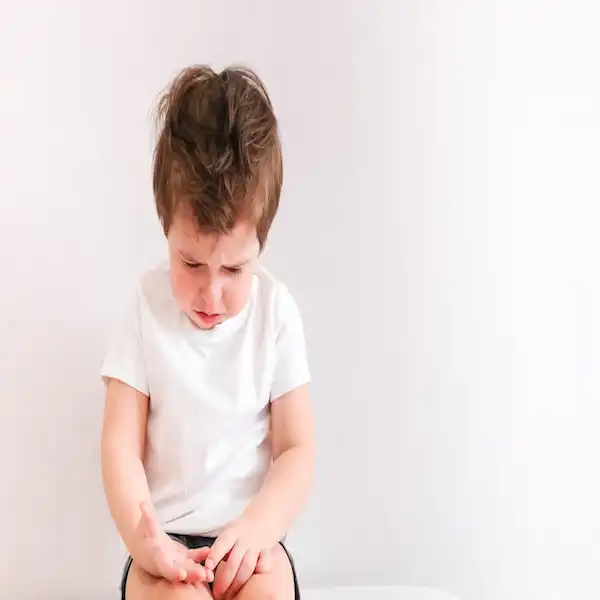
What is the difference between diarrhea and constipation
الفرق بين الإسهال والإمساك يكمن في طبيعة عملية الإخراج والأعراض المرتبطة بها، والتي تتمثل في الآتي:
diarrhea
- زيادة في عدد مرات التبرز مع براز رخو أو مائي.
- It may be accompanied by abdominal pain or cramps, along with bloating and nausea.
- يمكن أن يكون حاداً أو مزمناً حسب السبب.
- It is usually caused by a viral or bacterial infection, food poisoning, taking medications such as antibiotics, or intestinal diseases.
- It is more dangerous for children and the elderly due to the risk of dehydration resulting from rapid loss of fluids and salts.
Constipation
- Reduced frequency of defecation or difficulty passing stool that is hard or dry.
- It may be accompanied by a feeling of fullness in the intestines or bloating and stomach pain.
- It can be acute or chronic depending on its duration and causes.
- It usually occurs due to a lack of fiber and fluids in the diet, lack of movement, changes in diet or taking certain medications.
- It is more common among children and the elderly due to slow bowel movements or poor eating habits.
The main difference is that diarrhea is characterized by an increase in fluid in the stool, while constipation is characterized by difficulty and infrequent passage of stool with its hardness. The correct treatment of each case depends on knowing the cause, modifying the diet, and drinking sufficient amounts of fluids. In severe cases, a doctor must be consulted to provide appropriate treatment.
ما هي أسباب وأعراض حساسية الاطفال How to deal with it?
Chronic diarrhea in children
Chronic diarrhea in children is a condition in which diarrhea lasts for more than four weeks, and may indicate an underlying health problem that requires careful evaluation. Possible causes of chronic diarrhea in children are as follows:
- Chronic infection: such as parasitic or bacterial infection that lasts for long periods.
- Inflammatory intestinal diseases: such as Crohn's disease and ulcerative colitis.
- الاضطرابات الهضمية: مثل مرض السيلياك (حساسية الجلوتين).
- عدم تحمل الطعام: كعدم تحمل اللاكتوز أو الفركتوز.
- متلازمة القولون العصبي: تسبب تغيرات في حركة الأمعاء.
أما بالنسبة للأعراض المصاحبة للإسهال المزمن Includes the following:
- Persistent loose or watery stools.
- آلام وتقلصات في البطن.
- فقدان الوزن أو تأخر النمو.
- وجود دم أو مخاط في البراز.
- ارتفاع درجة الحرارة.
When should you see a doctor?
You should see a doctor and book your consultation at مركز طب الاطفال بمستفى الموسى التخصصي بالاحساء في الحالات التالية عند إصابة الطفل بالإسهال وهي كالآتي:
- Diarrhea persists for more than 24 hours without improvement.
- Signs of dehydration such as dry mouth, decreased urination, or crying without tears.
- The temperature rises to 39 degrees Celsius or more.
- وجود دم أو مخاط في البراز.
- Repeated or persistent vomiting.
- Severe abdominal pain or noticeable bloating.
- Lethargy or excessive sleepiness and unresponsiveness.
- Noticeable weight loss or not eating or drinking enough.
- The child does not urinate for 6 hours or more.
- If the child is less than 6 months old.
Risks of diarrhea in children
Attention must be paid to treating diarrhea in children, because of its risks and complications that threaten the child’s life, including:
- Exposure to dehydration is the greatest risk that doctors worry about, because the child quickly loses large amounts of fluids and salts, which leads to malfunctions of the body. Infants and young children are more susceptible to it.
- Severe dehydration can lead to serious complications, such as kidney failure, convulsions, and even death.
- Skin irritation in the diaper area of infants due to frequent diarrhea.
- The child suffers from malnutrition and underweight, as chronic or recurring diarrhea hinders the absorption of nutrients necessary for the child’s growth and development.
- Problems with the heart, muscles and nerves, due to the child losing important salts such as sodium and potassium with diarrhea.
- In cases of diarrhea caused by a bacterial or parasitic infection, complications of the infection may occur, i.e. the infection spreads to other parts of the body
How to prevent diarrhea in children
Diarrhea in children cannot be prevented, but some important procedures and guidelines can be followed to reduce the chances of children contracting diarrhea, and we advise you to do the following:
- Pay attention to the child’s personal hygiene, and teach older children to wash their hands with soap and water, especially before eating and after using the toilet.
- Care must be taken to regularly clean and disinfect surfaces that children touch, such as their toys and tableware.
- Cook food well, especially meat, poultry and eggs, and avoid eating raw or undercooked foods.
- Wash fruits and vegetables well before eating them.
- Food should be stored at an appropriate temperature to avoid bacterial growth.
- Avoid eating uncovered or street-sold foods.
- Avoid giving your child unpasteurized milk.
- Ensure that the drinking water provided to the child is clean and safe and avoid drinking tap water or using it to brush teeth, especially for young children.
- Maintain breastfeeding for as long as possible, because it provides protection for the baby from infection.
- Infants' diapers should be changed regularly to prevent the spread of bacteria.
- Obtaining the necessary vaccinations for children, especially the rotavirus vaccine, can reduce the risk of diarrhea.
- For older children, you must ensure that nurseries and schools follow strict hygiene procedures to prevent the spread of infection.
- Children should be taught good hygiene habits, such as covering their mouth and nose when coughing or sneezing.
- Wash vegetables and fruits well before eating them.
Frequently asked questions about treating diarrhea in children
How to get rid of diarrhea in minutes?
To quickly relieve diarrhea, it is recommended to eat light foods such as bananas, rice, apple sauce, and toast, and drink clear liquids such as water, broth, or natural juices to replace lost fluids, with the need to avoid fatty and spicy foods and dairy products. If symptoms persist, it is best to consult a doctor.
What is the appropriate medicine for diarrhea for children?
To treat diarrhea in children, it is preferable to use oral rehydration solutions to replace lost fluids. The doctor may recommend probiotic supplements such as “Enterogermina” to restore the balance of beneficial bacteria in the intestines. In some cases, medications such as “Capect” or “Antinal” can be used under medical supervision.
Does Flagyl stop diarrhea?
Flagyl (metronidazole) is used to treat diarrhea resulting from bacterial or parasitic infections such as amebiasis. However, it is not effective in cases of viral diarrhea, and its use may cause side effects such as nausea, vomiting, or even diarrhea, so a doctor must be consulted before using it to determine its suitability for the condition.
How many times is normal diarrhea in children?
The average number of normal diarrhea episodes in children ranges between 5 and 10 times. The severity of diarrhea in children is determined by determining the amount of stool and the number of bowel movements during a specific period of time.
The number of mild diarrhea ranges between 3-5 times a day, while the number of moderate diarrhea ranges between 6-9 times a day, and severe diarrhea 10 or more times a day.
In the end, diarrhea is one of the common health problems that children may be exposed to, but diarrhea in children can be treated and prevented by taking care of their health, providing proper nutrition, and taking care of their hygiene. Identifying its causes and following appropriate medical instructions helps deal with it quickly and protect the child from any complications that may affect his health. Therefore, prevention is always better than cure, with the necessity of consulting doctors at Al-Mousa Health Hospital, as one of the best hospitals in the Kingdom, to ensure the child’s safety and a safe and quick recovery.
Medical references
Diarrhoea and vomiting – nhs
What is diarrhea – clevelandclinic
