
Some people may believe that treating hypothyroidism is difficult and that the patient will continue to suffer from symptoms even after treatment. This is a completely wrong belief. With the development of medicines and medical research that discover modern treatment options, recovery from symptoms and prevention of complications has become possible, but it requires accurate diagnosis and determining the appropriate therapeutic technique, and this is what we learn about in detail in this article.
What is hypothyroidism?
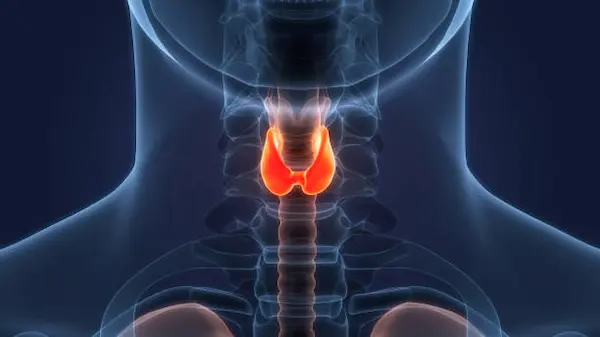
Hypothyroidism, as doctors know it, is a medical condition in which the thyroid gland is greatly affected for various reasons and its ability to adequately produce its own hormones is reduced, which affects various body functions and reduces its efficiency.
Causes of hypothyroidism
Before learning how to treat an underactive thyroid, we must first understand what are the causes that lead to this condition so that an appropriate treatment plan can be made. Among the most important causes of an underactive thyroid are:
- Genetic factors:
The presence of a family history and hereditary genes for diseases andThyroid disorders Which increases the risk of developing glandular insufficiency and transmitting the disease across generations. - Hashimoto's disease:
Or as doctors call it, immune thyroiditis, where the immune system mistakenly attacks the thyroid gland, affecting it, causing damage and decreasing its ability to produce hormones. - Iodine deficiency:
Iodine is an essential element for the formation of hormones in the thyroid gland, and therefore a lack of iodine in the diet, especially not consuming table salt, can lead to thyroid gland failure over time. - Some medications:
There are some medications that affect the efficiency of the thyroid gland, such as lithium, some immune medications, and heart medications that lead to a decrease in the level of thyroid hormone and affect its function. - Radioactive iodine therapy:
In some cases of hyperthyroidism, the doctor may begin a treatment course, either with radioactive iodine or surgery and removal of the thyroid gland, whether part or all of it, which later leads to hypothyroidism. - Birth defects:
Some children are born with congenital defects such as an incomplete thyroid gland or an underactive thyroid gland, which leads to the gland being sluggish from birth. - Pituitary gland disorder:
The pituitary gland is responsible for regulating the work of the thyroid gland through the TSH hormone. Therefore, if the pituitary gland is exposed to any defect, it will affect the function of the thyroid gland.
How to treat an underactive thyroid
Treatment of an underactive thyroid depends entirely on how to compensate for the hormones that the gland does not secrete in sufficient quantities due to its sluggishness. Among the most important treatment methods are the following:
First: Treating an underactive thyroid with medications
One of the first options that doctors adopt to treat an underactive thyroid is medications that compensate for hormone deficiency, in addition to nutritional supplements. The medications include the following:
- Synthetic thyroxine:
One of the most important medications that contain the synthetic hormone thyroxine is levothyroxine, which is taken orally daily in the early morning on an empty stomach. It is necessary to restore the level of T4 hormone in the blood to the normal range. - Selenium supplements: It is a mineral that converts the T4 hormone into its active form in the body, which reduces inflammation in people with Hashimoto’s autoimmune disease.
- Zinc: It helps produce and regulate thyroid hormones, and its deficiency may cause symptoms similar to those of hypothyroidism.
- Iron supplements: Because the majority of patients with hypothyroidism suffer from anemia and iron deficiency, treating anemia helps reduce exhaustion and chronic fatigue and improves the body’s energy.
- Cholesterol medications: which help reduce the level of cholesterol in the blood caused by hypothyroidism, and medications help greatly with proper nutrition and lifestyle changes.
Second: Foods that are useful in treating an underactive thyroid
During the treatment journey, the doctor prepares a complete prescription not only for medications, but also for foods that are useful in treating an underactive thyroid, the most important of which are:
- Foods moderately rich in iodine, such as fish and seaweed.
- Fresh fruits and vegetables, except raw cabbage, broccoli, and kale.
- Nuts, especially walnuts, and some types of meat, which contain selenium and zinc.
Third: Changing lifestyle
There are recommendations provided to you by the doctors at Al Mousa Specialist Hospital that will help you change your lifestyle to help treat an underactive thyroid, in addition to medications, and they include the following:
- Take thyroid medication on time without neglect.
- Sleep 7 to 8 hours a day at fixed times.
- Avoid foods containing excessive iodine, but in moderation.
- Exercise regularly and walk for 30 minutes daily to improve blood circulation.
- Control stress and stress because it negatively affects the gland and increases symptoms.
Fourth: Follow-up and examinations
You should not go to the doctor once and then be content with taking medications and nutrition only, but it is necessary to do continuous follow-up and do tests that determine the level of thyroid hormones to know what stage of treatment you have reached. Follow-up with your doctor is not a luxury, but rather a necessity to determine the extent of the body’s response to treatment.
What are the most important symptoms of hypothyroidism?
The symptoms of hypothyroidism are divided into physical and psychological, and there are some symptoms that are specific to women or men only, which we will learn about in detail after mentioning the general symptoms, such as:
- Chronic constipation.
- Severe slow heartbeat.
- Weakness and constant hair loss.
- Hoarseness or strange tone in the voice.
- Dry skin and peeling of the skin surface.
- Constant feeling of coldness in the extremities.
- The face appears swollen, including the eyes.
- Feeling tired, exhausted, and a state of general weakness.
- Weight gain despite not changing the way of eating and exercising.
- Note swelling in the neck in some cases due to an enlarged gland.
- Psychological symptoms such as depression, mood swings, and poor memory and thinking.
Symptoms of hypothyroidism in women
Symptoms of hypothyroidism in women may include affecting sexual desire, menstrual disorders such as delayed or irregular menstruation, and when accompanied by severe abdominal pain, in addition to difficulty getting pregnant, and in some cases, temporary infertility may occur.
Symptoms of hypothyroidism in men
As for the symptoms of hypothyroidism in men, they include weak sexual desire, erectile dysfunction, breast enlargement or gynecomastia as it is called, body hair loss, weak sperm with low numbers, fertility problems, with muscle weakness and a significant decrease in fitness and physical activity, no matter how athletic the person is.
يمكنك التعرف على Price of thyroidectomy
The best methods for diagnosing hypothyroidism
It is not possible to determine how to treat an underactive thyroid unless the condition is diagnosed and the causes and symptoms that the patient suffers from are known. Therefore, we learn below about the best methods for diagnosing an underactive thyroid:
First: diagnosis by clinical examination
The doctor begins by examining the patient completely, taking a medical history, and asking about the symptoms appearing on the patient, the most important of which are weakness, fatigue, weight gain, and the signs specific to men and women that we mentioned previously.
Second: laboratory tests
There are many laboratory tests that the doctor requests before treating hypothyroidism, the most prominent of which are:
- Analysis of TSH, which is the thyroid stimulating hormone, is one of the most important tests for diagnosing hypothyroidism.
- T4 Free analysis is one of the tests that confirms the presence of true sluggish thyroid function.
- Additional testing such as thyroid antibody analysis in case of Hashimoto's disease.
- Measuring cholesterol levels, analyzing hemoglobin, and testing fertility and reproductive hormones.
Third: imaging examination
The imaging examination includes performing a comprehensive ultrasound of the thyroid gland to determine the size of the gland and detect enlargement of the gland or the presence of nodules, or detect any changes in the shape of the gland. The ultrasound must be under the supervision of a specialized doctor.
يمكنك حجز استشارتك في Diabetes and Endocrinology Center At Al Mousa Specialist Hospital
Why should you treat hypothyroidism?
There are some serious complications that you may be exposed to if you neglect to treat an underactive thyroid, and they include affecting vital functions in the body, causing the following:
- Poor concentration and slow mental activity.
- Weak memory and forgetfulness that develops over time.
- Joint pain and bone weakness due to a lack of thyroid hormones.
- Exposing the pregnancy to a major problem and increasing the risk of miscarriage or giving birth to a child with birth defects.
- High levels of cholesterol in the blood and thus exposure to heart and arterial diseases.
- Suffering from anemia or anemia due to a lack of iron absorption, which causes a state of fatigue and weakness.
- Myxedema coma is a rare condition, but it should be mentioned as a warning. It includes severe hypothermia and poor breathing and ends with loss of consciousness and life-threatening coma.
Do not neglect your health and immediately start treating an underactive thyroid with the specialist doctors at Al-Mousa Specialist Hospital in Al-Ahsa. You will receive attention and medical care at the highest level through an integrated medical diagnostic unit that includes a laboratory and imaging units, in addition to providing the best and latest deliberate treatment options that suit your condition, ensuring the success of your treatment journey and getting rid of painful symptoms as soon as possible... With us, you are safe.
Frequently asked questions
Learn with us below about the most frequently asked questions about treating hypothyroidism, with detailed answers:
Can an underactive thyroid be cured?
Yes, the condition can be controlled through appropriate treatment and continuous follow-up with your doctor, but there is no complete cure for hypothyroidism except in temporary cases such as pregnancy or after a viral infection.
How do I treat hypothyroidism at home?
It is not possible to rely on treating hypothyroidism at home only. Rather, one must go to the doctor and create an approved treatment plan, then begin to change the lifestyle at home regarding the type of nutrition and other recommendations.
What is forbidden food for patients with hypothyroidism?
The most prohibited foods for patients with hypothyroidism are soy products such as soybeans and soy milk, vegetables such as cabbage and raw cauliflower, and food that contains calcium or iron when taking thyroid medication.
Sources and references
Hypothyroidism – clevelandclinic
Underactive thyroid – nhs
