
Brain cancer is one of the most dangerous tumors because it affects the body's control center, affecting movement, memory, thinking, and balance. Its types and treatment methods vary, which requires an accurate diagnosis and an appropriate treatment plan for each case.
Understanding the type of tumor is an essential step in choosing the most appropriate treatment, whether surgical, radiation, or medication. The center offers an integrated system of diagnosis, treatment, and care that relies on modern technologies and a specialized medical team that accompanies the patient during the treatment journey with great skill.
What is brain cancer?
Brain cancer is an abnormal growth in brain cells that leads to the formation of a tumor that may be benign (non-cancerous) or malignant (cancerous). Although benign tumors grow slowly, they may cause serious symptoms because they press on sensitive parts of the brain.
Malignant tumors are characterized by their rapid growth and ability to spread to surrounding tissues.
Brain cancer is classified into two main types They are:
- Primary tumors: It begins in the brain itself.
- Secondary (metastatic) tumors: It is transmitted from other organs, such as the lung or breast, to the brain.
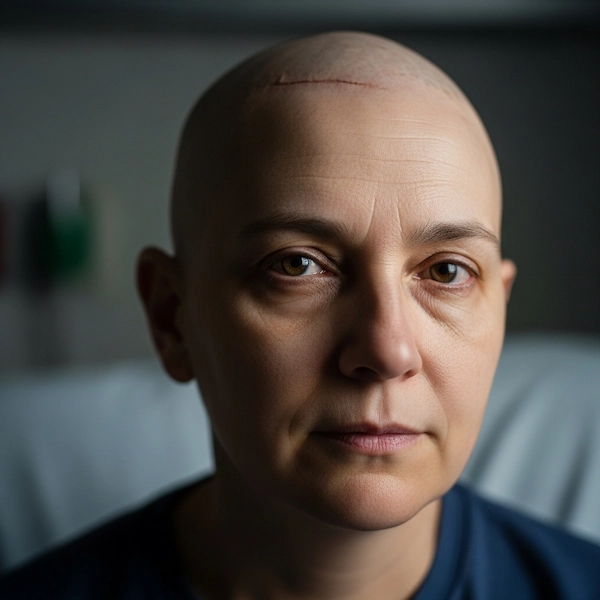
Types of brain cancer
They differ depending on the cells they originate from, their location in the brain, and their behavior. We explain the most important types that doctors diagnose Below:
1. الورم الأرومي الدبقي (Glioblastoma Multiforme)
- It is the most aggressive and common type of brain cancer.
- It originates from glial cells responsible for supporting and protecting neurons.
- It is characterized by its rapid growth and ability to penetrate into adjacent tissues.
Its symptoms include severe headaches, changes in behavior or memory, and weakness on one side of the body.
2. Meningioma
- It is one of the most common benign brain tumors.
- It arises from the membranes covering the brain and spinal cord.
- It grows slowly and is often discovered incidentally during a routine examination.
- If it becomes large, it may cause persistent headaches or blurred vision.
3. الورم النخاعي (Medulloblastoma)
- It mostly affects children and teenagers.
- It originates in the back part of the brain responsible for balance and movement (cerebellum).
- It may cause problems walking or constant dizziness, and it is considered a tumor that needs prompt treatment.
4. Astrocytoma
- It consists of astrocytes within the brain.
- It varies in severity from Benign tumors To aggressive malignant tumors.
- Treatment depends on its type, stage, and extent of its spread in brain tissue.
5. Craniopharyngioma
- It is a rare tumor that affects children and adults.
- It appears near the pituitary gland and may affect growth and hormones.
- It causes blurred vision, extreme thirst, and unexplained weight gain.
Symptoms of brain cancer
Symptoms of different types of brain cancer vary depending on the location and size of the tumor, but they often begin gradually and may initially resemble simple symptoms such as headache or fatigue. However, ignoring them may delay diagnosis and affect the effectiveness of treatment.
The most prominent symptoms include:
- Headache that recurs or increases over time and does not respond to usual painkillers.
- Sudden convulsive seizures or loss of consciousness.
- A vision or hearing disorder, such as blurred vision or hearing loss in one side.
- Difficulty speaking or understanding as a result of the language centers in the brain being affected.
- Weakness on one side of the body or loss of balance while walking.
- Changes in mood or behavior, such as excessive nervousness or loss of concentration.
- Repeated nausea and vomiting, especially in the morning, for no apparent reason.
Paying attention to these signs and going for early examination may save a life and give the patient a chance for a complete recovery.
Brain cancer diagnosis
In our center, diagnosis is made according to precise criteria that combine clinical examinations and modern techniques to ensure the exact type of tumor is determined. Includes basic steps ما يلي:
- Comprehensive neurological examination: To evaluate brain functions, such as balance, vision, hearing, and memory.
- Magnetic resonance imaging (MRI): To detect the location and size of the tumor with high accuracy.
- Computed tomography (CT): It is used to determine the presence of any swelling or internal bleeding.
- Biopsy: It involves taking a small sample of the tumor to examine it under a microscope to determine the type of cells.
- Genetic and molecular tests: To identify genetic mutations that may help choose the most appropriate treatment.
Combining these tools allows doctors to develop an accurate, personal treatment plan that suits each individual patient.
You may also be interested in: مركز الاورام لدى الموسي الصحية
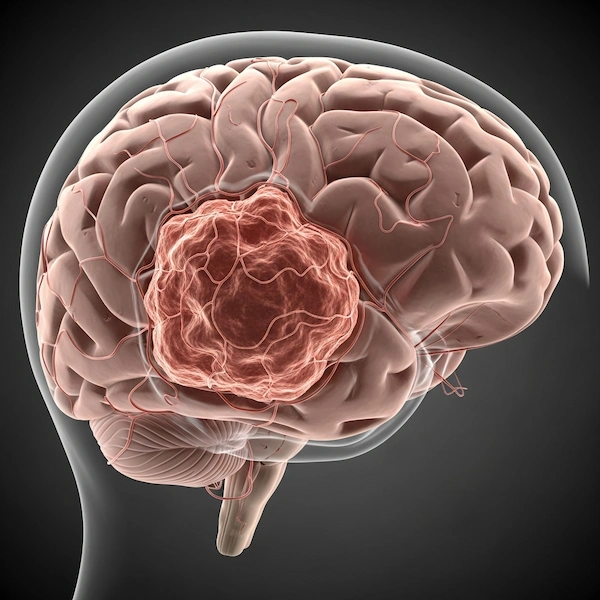
Methods of treating types of brain cancer
Treatment varies according to the type of tumor, its stage, the patient’s age, and his general health condition. At Al Mousa Health Hospitals, the medical team relies on the latest international protocols to ensure effective results while reducing side effects as much as possible.
1. Microneurosurgery
- It is used to remove the tumor or part of it without harming vital areas of the brain.
- It employs a neuro-navigation system and a surgical microscope to ensure high accuracy.
2. Radiation therapy
- It aims to destroy cancer cells remaining after surgery.
- It is done with advanced techniques such as targeted radiation (IMRT), which precisely targets the tumor without affecting healthy tissue.
3. Chemotherapy
- It relies on medications that target cancer cells and prevent them from dividing and growing.
- It can be given intravenously or orally depending on the patient's condition.
4. Targeted and immunotherapy
It is one of the latest treatment methods used in advanced types of brain cancer.
It stimulates the immune system to recognize cancer cells and selectively eliminate them.
5. Rehabilitation treatment and psychological support
It includes physical therapy sessions, speech therapy, and memory exercises.
In addition to psychological and social support for the patient and his family to improve the quality of life during and after treatment.
Prevention and ongoing care
Although the exact causes of brain cancer are not fully known, maintaining a healthy lifestyle contributes to reducing the risk of developing, Includes preventative tips ما يلي:
- Avoid exposure to radiation for long periods without protection.
- Eat a diet rich in vegetables, fruits and antioxidants.
- Practice regular physical activity.
- Undergo regular medical examinations, especially if there is a family history of tumors.
Frequently asked questions
1. What is the difference between benign and malignant brain tumors?
Benign tumors grow slowly and do not spread, while malignant tumors develop quickly and may spread to other parts of the brain.
2. Do the symptoms of different types of brain cancer differ depending on the location of the tumor?
Yes, symptoms depend on the location of the tumor, such as poor movement, vision disturbance, or speech problems.
3. Can all types of brain cancer be treated?
Treatment opportunities vary depending on the type and stage of the tumor, and some types can be completely controlled with appropriate treatment.
4. How are types of brain cancer diagnosed accurately?
MRI, CT scan, and laboratory tests are used to determine the exact type and location of the tumor.
5. How long is the expected recovery period after brain cancer treatment?
The duration varies from one case to another depending on the type of tumor and treatment used, and the patient often needs long-term follow-up and rehabilitation support.
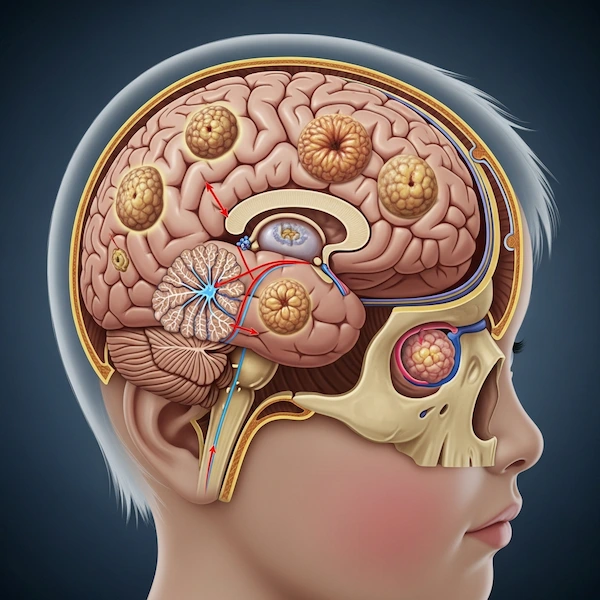
الخلاصة
Types of brain cancer require a combination of precise medical expertise and deep human care. Contact us now at Al Moosa Health To communicate with an integrated team of neurologists, brain surgeons, and oncology experts to provide comprehensive care starting from early diagnosis until full recovery, with continuous follow-up to ensure the best possible quality of life for patients.