
One of the most mysterious gynecological conditions is the types of endometriosis, as it is not only pain related to the menstrual cycle, but a medical condition that may affect the chances of pregnancy later, as happens with some severe types. Therefore, a distinction must be made between the different types of endometriosis, its depth, and its severity to determine the appropriate treatment method before it affects fertility, and this is exactly what we teach you in this article. Follow with us until the end.
What is endometriosis?
Endometriosis is a disease condition that affects women in which tissue resembling the uterine lining grows outside the uterine cavity, for example, in the ovaries, fallopian tubes, or any other area in the pelvis. The tissue is affected by monthly hormonal changes, causing bleeding and inflammation with severe pain in the pelvis, and adhesions later form, leading to a fertility problem.
3 of the most important types of endometriosis
Through numerous medical studies, doctors have classified the types of endometriosis into 3 types that differ in their location and depth as follows:
1. Superficial endometriosis
Deep superficial endometriosis appears in the form of limited foci that do not go deep into the tissues at all, and appear as small spots on the ovary or peritoneum. Its most important symptoms are slight pain during menstruation with a feeling of discomfort in the pelvic area.
2. Ovarian endometriosis
Ovarian Endometrioma, medically known as chocolate cysts because the blood in them is old and brown in color. These cysts form on the ovaries and lead to an imbalance in ovulation and thus affect the quality of eggs, which delays pregnancy.
3. Deep endometriosis
Deep Infiltrating Endometriosis: It is given this name because the foci extend deep into the tissue for more than 5 mm and may penetrate into neighboring organs such as the intestines, bladder, and uterine wall, and is associated with severe pain during menstruation or intercourse.
Learn about: The uterine lining is thin Silent display causes infertility
How to distinguish between types of endometriosis
You can distinguish between types of endometriosis through several factors that are examined by a specialist doctor, and these factors include:
- Depth of focus:
The depth of the foci helps distinguish between the types of endometriosis, as the superficial foci appear attached to the surface of organs such as the ovaries and do not penetrate into the tissues, while the deep foci may extend more than 5 mm into the intestinal wall, or the wall of the uterus, which makes the woman feel severe pain. - In terms of clarity of form:
Upon imaging and medical examination, it is possible to distinguish between the different types. Light superficial foci do not usually appear on regular x-rays and require laparoscopy. However, ovarian cysts appear clearly on magnetic resonance imaging as cysts filled with bloody fluid, and deep foci, which are the most severe, appear clearly and accurately on x-rays. - الأعراض:
Superficial foci cause mild or moderate pain during menstruation only, while ovarian cysts cause irregular menstruation with heaviness in the pelvis, and deep cysts cause acute pain during menstruation and chronic pain in the pelvis. - The extent of the effect on fertility:
Superficial foci do not affect fertility, while deeper foci and cysts on the ovaries are usually associated with delayed pregnancy due to adhesions.
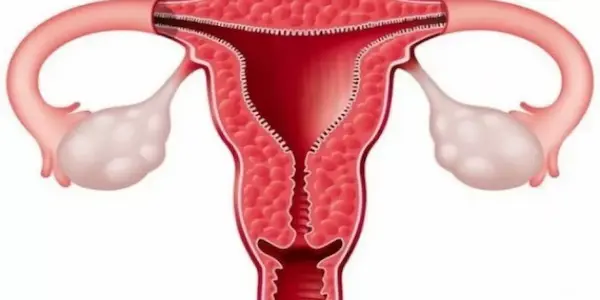
Where does endometriosis occur?
Endometriosis may occur and appear in multiple places related to the pelvic area, such as:
- Inside the pelvis: It appears on the ovaries, the peritoneum lining the pelvis, the posterior ligaments of the uterus responsible for stabilizing it, or on the fallopian tubes.
- Organs adjacent to the pelvis: Endometriosis sometimes appears on the wall of the bladder or ureter, affecting the urination process. It may occur in the intestines and results in severe pain during defecation.
- Places where it rarely appears: It may appear in some rare places outside the pelvis, such as the diaphragm, or the abdominal wall after a cesarean section.
Endometriosis staging systems
There are 3 systems that greatly help in classifying the stages of endometriosis according to its severity and spread, and they include the following:
1.ENZIAN system
The ENZIAN system divides stages according to the location and depth of the foci, focuses more on deep endometriosis types, and is used in combination with radiology and laparoscopy.
2.The American Fertility Society system
The American Fertility Society (rASRM) system divides the stages into four degrees: simple, mild, moderate, and severe. It is the most common system in use, but it cannot accurately explain the symptoms. It depends on the size and number of foci, how deep they are, and the presence of ovarian cysts or adhesions.
3.EFI system
The EFI system, or as it is called the Ectopic Fertility Index, because it is one of the best systems that estimates the chances of a natural pregnancy after surgical treatment. The evaluation is based on the woman’s age, the period of delayed pregnancy, the condition of the fallopian tubes, and the condition of the ovaries. It links the severity of endometriosis and the probability of pregnancy occurring.
Book your consultation now at مركز صحة المرأة At Al Mousa Specialist Hospital.
How is endometriosis diagnosed?
Endometriosis is diagnosed through several medical methods adopted by doctors at Al Mousa Specialist Hospital within the fertility clinics, including the following:
1. Clinical examination and medical history
Doctors begin the clinical examination by asking the woman about her symptoms, especially pain during menstruation, pelvic pain, and delayed pregnancy, in addition to examining the pelvis to detect any adhesions or abnormal masses.
2. X-rays and imaging examination
Doctors rely on two basic types of imaging examination:
- Ultrasound: or sound waves to detect ovarian cysts.
- MRI: It is used to accurately clarify images of deep foci and organ adhesions.
4. Endoscopy and surgical examination
The endoscope is one of the most important means that helps distinguish the types of endometriosis and determine the accurate diagnosis of the condition. It allows the doctor to directly identify the foci and take a sample for examination under the microscope.
Learn about: A comprehensive guide to medications for cleaning the uterus after a miscarriage
Frequently asked questions
Below we answer the questions that we frequently receive on our website:
When does endometriosis disappear?
Endometriosis does not disappear on its own, but it requires medical and surgical treatment, after which the symptoms improve within a few months, especially after surgery, as the foci disappear for years, and the combination of medications and surgery may delay their return.
Where does endometriosis come from?
Endometriosis comes as a result of the formation of foci outside the uterus due to genetic factors and a disorder of the immune system, and it may come from the transformation of some cells in the abdomen to resemble the lining of the uterus due to a hormonal imbalance.
What are the degrees of endometriosis?
Endometriosis grades 4, ranging from mild, which means superficial foci, to moderate, which has more numerous foci with simple adhesions, then advanced, which has deep foci with more severe adhesions, and the last degree is the most severe, and has a wide spread of foci with cysts.
When is endometriosis dangerous?
Endometriosis becomes dangerous when it causes adhesions and cysts that impede the functioning of organs because it leads to chronic pain that affects the quality of daily life and causes delayed pregnancy and infertility in some cases if not treated early.
What does endometriosis look like when it comes out?
Endometriosis appears when it comes out in the form of small blood clumps, sometimes in the form of dark brown tissue similar to blood clots that come out during the menstrual cycle, and sometimes in the form of fibrous pieces mixed with menstrual blood.
If you suffer from any of the types of endometriosis or abnormal pelvic symptoms, you must immediately contact the fertility clinics at Al Mousa Specialist Hospital to receive distinguished medical care, and begin surgical or drug treatment as the doctor deems appropriate. Book an appointment through direct contact, or on our website, or the Al Mousa application, which works around the clock to serve you.
Endometriosis – clevelandclinic
