
What do you know about unstable angina and its symptoms?
What is unstable angina?
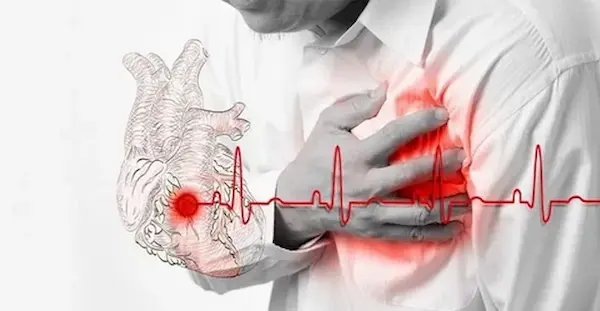
Unstable angina is a dangerous type of angina and is considered a medical emergency that occurs when blood flow to the heart suddenly decreases, resulting in severe chest pain. It differs from stable angina in that it lasts longer than 20 minutes and does not go away with rest or medication. It also develops over time, which increases the risk of a heart attack.
Symptoms of unstable angina
There are many symptoms of unstable angina, and when these symptoms appear, it is necessary to seek medical help urgently, and they include the following:
- Shortness of breath even while resting.
- Cold and severe sweating without justification or clear cause.
- Sudden, severe chest pain that lasts more than 20 minutes.
- Multiple pains spread throughout the body in the arms, neck, back, and shoulder.
- Indigestion is accompanied by nausea, vomiting, dizziness, and vertigo as well.
- Severe fatigue and weakness even without the patient making any effort.
Learn about: Methods of treating stable angina pectoris
Causes of unstable angina
The most important causes of unstable angina include:
- Accumulation of fat in the arteries or atherosclerosis due to the formation of fatty plaques on the walls, which reduces blood flow.
- Fatty plaques rupture, causing blood clots to form that block blood flow to the heart.
- Anemia and low blood pressure, causing a lack of supply of the necessary oxygen to the heart.
- Performing sudden physical exertion increases the heart’s need for oxygen, leading to angina.
- Increased demand for oxygen without sufficient capacity to deliver it due to an accelerated heartbeat.
Risk factors for unstable angina
Smoking, drug use, and drinking alcohol are among the most important risk factors for unstable angina, because they cause narrowing of the coronary artery and the appearance of spasms. Obesity is also one of the factors that leads to fatigue and pressure on the heart muscle, which leads to angina.
Diagnosis of unstable angina
There are several medical methods that help diagnose unstable angina and begin the appropriate treatment plan, including:
- Medical history and clinical examination: This is done by the doctor. He asks about the most prominent symptoms and whether the patient suffers from diabetes, high blood pressure, or heart disease. He also asks about smoking.
- Cardiac enzymes test: This is a blood test to determine the levels of troponin, which is a protein that appears strongly when the heart muscle is damaged. If it is elevated, it may indicate a heart attack.
- Chest X-ray: These x-rays are used to rule out any health problem in the lungs that is causing chest pain.
- Electrocardiogram (ECG): It is used to measure the electrical activity of the heart and detect any changes that indicate a lack of blood flow.
- Cardiac catheterization and angiography: Cardiac catheterization is used in critical cases to determine how serious the condition is and what you need: a stent only, or open-heart surgery.
Learn about: Everything related to angina, causes and symptoms
Treatment of unstable angina pectoris
After making an accurate diagnosis of the condition and knowing the causes and symptoms, doctors begin choosing a method for treating unstable angina, which includes 3 approved methods, some of which can be used, and sometimes in advanced cases, they can be combined.
First: drug treatment
Drug treatment aims to control and reduce symptoms and improve blood flow to prevent a heart attack and includes multiple medications such as:
- Cholesterol-lowering medications: which help reduce the accumulation of fat in the arteries and prevent their blockage, and include statin medications such as atorvastatin.
- Medications to prevent blood clots: These medications also help improve blood flow and include aspirin, P2Y12 inhibitors to reduce the risk of clots, and the anticoagulant heparin to prevent further blockage.
- Arterial dilatation medications: These include nitroglycerin, which dilates blood vessels, beta blockers such as atenolol to lower blood pressure and reduce heart effort, and angiotensin-converting enzyme inhibitors, which protect and preserve the heart because they reduce pressure on the arteries.
Second: Improving lifestyle
Improving lifestyle is an indispensable option in treating unstable angina, and it includes several important instructions aimed at maintaining heart health and preventing angina from recurring, such as:
- الإقلاع نهائيًا عن التدخين.
- Following a good and beneficial diet maintains heart health.
- Control chronic diseases such as blood pressure and diabetes.
- Exercising to eliminate obesity and achieve an ideal and healthy weight.
Third: Medical procedures in acute cases
Some cases may reach a stage where doctors must intervene with stronger treatments to ensure that the patient does not suffer a heart attack. Among these measures are:
- Coronary artery bypass surgery:
It is a simple surgery used for blocked arteries that cannot be repaired using a catheter, and aims to treat the blockage while improving blood flow to the heart. - Cardiac catheterization with stent:
A thin tube, which is a catheter, with a balloon at the end of the tube is used inside the narrowed or blocked artery. The balloon is usually inflated to expand the arteries, and then a stent is installed to preserve the artery without recurrence of the blockage.
The specialists at Al-Mousa Specialist Hospital in Al-Ahsa offer you all the advanced treatment options based on accurate diagnosis and then controlling the condition so that the patient does not suffer a heart attack later.
How to prevent unstable angina
To prevent unstable angina, we must focus on improving heart health and how to reduce the factors that lead to clogged arteries. Among the most important tips are:
- Completely stop smoking, which damages blood vessels and increases the risk of clots.
- Eat foods rich in fiber and reduce fat, which reduces the accumulation of cholesterol in the arteries.
- Always monitor and measure blood pressure and control it by taking prescribed medications regularly.
- Control diabetes and maintain blood sugar levels as much as possible.
- Follow a healthy diet that contains fruits, vegetables, and fish.
- Practice relaxation and meditation exercises to avoid nervous tension.
- Conduct periodic tests to measure blood sugar and fat levels.
- Maintain a healthy weight and avoid obesity.
Treating unstable angina is an inevitable and urgent matter. Therefore, we advise you, when you notice any abnormal symptoms, to immediately contact Al-Mousa Specialist Hospital and book with the best doctors in Heart center Or go to the emergency room if symptoms worsen, and in the end you will find the medical service you have always dreamed of at a reasonable cost.
Frequently asked questions
We receive many questions about unstable angina, which we will review below with answers:
Can you live with angina?
Yes, it is possible to live with stable angina, but unstable angina poses a threat to the patient’s life and requires emergency intervention so that complications do not occur and the patient suffers a heart attack.
Can angina be completely cured?
Final recovery from angina depends on many factors, the most important of which are being stable, the correctness of the treatment followed, also quitting smoking and improving lifestyle in addition to drug treatment.
Can unstable angina be cured?
Yes, unstable angina can be controlled, but it must be noted that it is an emergency and requires rapid intervention. With proper treatment and rapid intervention, its development into a heart attack can be prevented, and the matter requires continuous follow-up.
What is the difference between stable and unstable angina?
Stable angina is considered less dangerous and can be managed with some therapeutic medications and lifestyle changes. As for unstable angina, it indicates a severe blockage in the coronary arteries, making it an emergency and a precursor to a heart attack.
Sources and references
Nonocclusive Thrombus on Preexisting Plaques – ahajournals
Unstable Angina – msdmanuals
