
The uterine lift operation is one of the gynecological operations that some women need in the event that the uterus prolapses and moves from its natural place and prolapses, because the uterus may prolapse into the vaginal canal in some people as a result of a group of factors and causes that may necessarily lead to some health problems. As a result, Almoosa Health Hospital provides all the necessary medical procedures for this condition, and also provides a set of information about this operation, the method of performing it, and its positive and negative results.
What is the process of lifting the uterus?
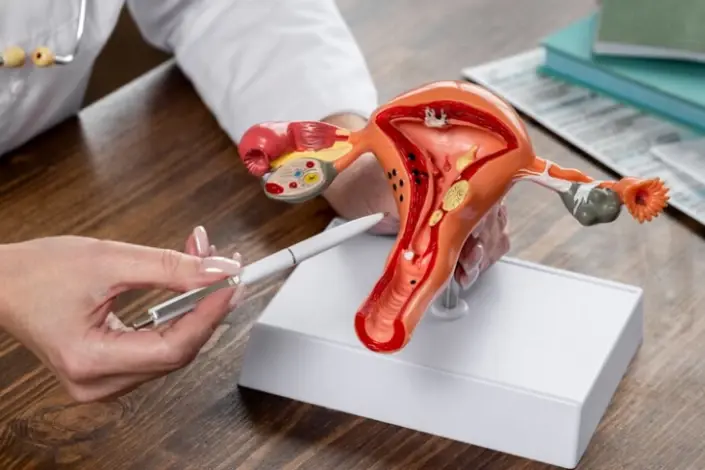
Uterine lift is a surgical procedure that occurs in the uterus if it prolapses into the vaginal area. The uterus is lifted through a surgical operation in order to return to its natural place. Uterine prolapse may occur in one of the pelvic organs in the vagina, urethra, rectum, or intestine. Uterine prolapse occurs due to weakness in the muscles of this region and the pelvic area. Uterine prolapse is similar to what happens in a hernia.
Therefore, the descent of the uterus into one of the pelvic organs may cause the area to weaken and rupture due to pressure on the tissues. Therefore, it requires medical intervention to solve the problem. The doctor can infer the level of prolapse in the uterus through pressure on the pelvic muscles and some other diagnostic methods, including x-rays that show the level of prolapse to take the necessary action and perform the operation.
Risks of uterine lift surgery
The uterine lift operation is one of the operations that many women need to solve the problem of uterine prolapse. Despite the success rates of this operation and its ability to solve the problem, there may be some risks that the woman is exposed to from this operation that must be paid attention to, including the following:
- Some women face health problems, including the inability to control the urinary bladder and the problem of urinary incontinence.
- Inability to completely empty the bladder during urination.
- Women feel pain during intercourse due to this process.
- Some women are susceptible to some types of infections.
- معاناة بعض النساء من ظهور الناسور بين الجلد والجسم الذي ينتج بسبب وجود ثقب بين عضوين داخل الحوض.
- An incision occurs in the abdomen due to the operation. This incision may leave a visible mark on the skin.
- Some women experience severe bleeding in the uterine area after the procedure, which is called venous thrombosis.
- Exposure to damage to the bladder or one of the tubes that drain from the kidneys.
Symptoms that require consulting a doctor after a uterus lift operation
Some women suffer from the appearance of some disturbing symptoms after undergoing a hysterectomy. In this case, they should quickly go to a specialist doctor if the following symptoms appear:
- The appearance of foul-smelling secretions coming out of the wound after the operation.
- High body temperature.
- Difficulty in relieving oneself.
- Swelling and pain in the legs.
Also learn about: Is cervical ligation suitable for your condition?؟ إليكِ الإجابة الطبية بالتفصيل
Tips after uterine lift surgery
There is a set of tips and instructions that a woman should follow after undergoing a hysterectomy, which are as follows:
- Avoid lifting heavy objects to avoid any side effects for 8 weeks after the operation.
- It is recommended to drink a good amount of water and fluids.
- Make sure to eat vegetables, fruits, and foods that contain dietary fiber to prevent constipation.
- Quick treatment of cough in case of colds, as there is no pain when coughing.
- Avoid squeaking while defecating to avoid any side problems.
- Stop smoking.
- Get rid of excess weight as much as possible.
- Doing Kegel exercises helps tighten the pelvic muscles and reduces the release of gas.
- The woman needs a period of rest and recovery after the operation, a period of time between 4 to 8 weeks until complete recovery occurs after the operation.
- Light movement, walking, and light exercise help improve blood circulation, prevent blood clots, and enhance the speed of recovery after the operation.
- It is recommended to avoid eating fried or fatty foods in order to avoid any problems in the digestive system or feel bloated and uncomfortable.
- The doctor advises not to have sexual intercourse for a period between 6 to 8 weeks after performing this operation, in order not to experience any pain.
Get to know: Uterine prolapse: its causes, degrees, and the most important treatment methods
Symptoms of uterine prolapse
A woman can infer the presence of a problem with the uterus and its prolapse below its normal level and the need to perform a uterus lift operation if she appears to have some symptoms, including the following:
- Inability to completely empty the urine in the bladder.
- Feeling pressure on the vaginal opening.
- Some infections in the vaginal area.
- Bloating that occurs in the vaginal and abdominal area due to the uterus moving out of place.
- Some drops of urine leakage due to coughing or sneezing, which is urinary incontinence.
- Feeling full most of the time due to pressure on the intestines.
The difference between surgical uterine lift and laser
Many women do not know the difference between performing a uterus lift procedure through surgery or laser, so we will explain the difference between them as follows:
Surgical uterine lift
Uterine lift requires a simple surgery aimed at raising the level of the uterus after prolapse in order to stabilize the uterus in its natural place, or in some cases the doctor may need to remove the uterus completely if pregnancy is not desired.
If the woman suffers from prolapse of some other pelvic organs, the operation is more complicated. The doctor needs to perform surgical stitches to restore the pelvic floor, in addition to performing stitches in the vaginal area to close the widened vaginal opening.
A mesh material is also installed to support the tissues in the vagina and in the coccyx bones, but surgical operations may cause some risks, including bleeding, blood clots, or any type of infection, in addition to the chance of uterine prolapse again.
Laparoscopic hysteroplasty
The operation to lift the uterus is performed laparoscopically, with the aim of stabilizing the uterus and suspending it in its natural place, based on the use of a mesh that strengthens the weak ligaments in the uterus and helps maintain the stability of the uterus.
Book your consultation now at Women's Medical Center At Almoosa Specialist Hospital.
What are the complications of uterus lift?
Despite the success rates of the operation, there are some possible complications in performing a uterine lift, including the following:
- Damage to the bladder, ureters, or tubes that connect to the kidneys.
- Exposure to intestinal damage.
- The woman suffers from deep vein thrombosis or venous thrombosis.
- The problem of uterine prolapse occurs again in some women after the operation.
- Corrosion of the mesh or surrounding tissue.
- Exposure to infection after surgery in the absence of good disinfection and is controlled by taking antibiotics.
- Some organs are exposed to movement or prolapse in the pelvis, which makes the woman need a vaginal collar to avoid movement of any internal organs after the operation.
Frequently asked questions:
How many hours does a uterus lift procedure take?
The uterine lift operation takes a few hours and varies from one case to another, but it usually takes between one and three hours at most. The duration also varies whether the operation is by laser or surgery according to the type of problem and the woman’s condition.
How long does it take to rest after a hysterectomy?
The recovery period after the operation varies according to the health condition of each woman and her commitment to the doctor’s instructions and following the instructions that help her recover quickly. A woman may need a recovery period between 4 to 8 weeks.
Is uterus lift surgery dangerous?
The process of performing a uterine lift is considered a medically safe operation if the operation is performed by a specialized medical team who has experience in performing these operations. The chance of exposure to health risks is small if the instructions mentioned by the doctor are adhered to.
What is the success rate of uterine lift surgery in pregnancy?
The success rate of the uterus lift operation is high, reaching 90% to 95% due to the success of the operation and the absence of exposure to health risks.
How does a woman's body become after a hysterectomy?
Some women feel a great improvement in their psychological state due to overcoming the pain they were experiencing, and the menstrual cycle may stop due to the changes that occur in the uterus.
The uterine lift operation is one of the medical procedures that some women resort to in the event of a prolapse of the uterus and its movement from its normal place. However, the operation should be performed by doctors who have experience in these operations, as is the case at Almoosa Health Hospital, as it is the most famous hospital in the Kingdom, in addition to adhering to the instructions of the specialist doctor after the operation in order not to be exposed to any health symptoms or side problems after this surgical procedure.
Sources
Hysteropexy (uterine lift) – specializedwomenshealth
Uterine Prolapse – clevelandclinic