
Treatment of vaginitis depends on the cause of the inflammation. Among the types of treatments used for this purpose are antibacterial or antifungal medications, in addition to hormonal creams that are among the effective treatments for vaginitis. Changing lifestyle is also one of the treatment methods, as change prevents dealing with irritants. We, through Al Mousa Hospital, will tell you more about how to treat and what medications help eliminate infections effectively.
Treatment of fungal vaginitis
Fungal vaginosis is known as vaginal yeast infection. There are effective treatment methods through antifungal medications, which are represented by topical medications, including creams, ointments, tests, or oral medications, in addition to antibiotics or hormones. Treatment is determined according to the case. Here are the details:
- Topical medications: These medications include clotrimazole, which is available in the form of a cream and also available as vaginal suppositories, in addition to miconazole, which is either a cream or vaginal suppositories, and butoconazole, which is a vaginal cream.
- Oral medications: Among the medications that are taken orally is fluconazole, and it is sufficient to take one dose, and in other cases multiple doses are required, as well as itraconazole, which requires a prescription.
- Changing lifestyle: This is done by refraining from using aids, including scented soap, vaginal sprays, and many products that irritate the vaginal area, and making sure to wear cotton underwear as it absorbs moisture and prevents the growth of fungi, making sure to clean and dry the genital area, and avoiding the use of unnecessary antibiotics.
Treatment of bacterial vaginosis
In treating bacterial vaginosis, the doctor prescribes therapeutic medications, including antibiotics such as metronidazole and clindamycin. The medications may be pills taken orally or creams, and there are types of them in the form of a topical gel for the vagina. Below are details of treatment methods:
المضادات الحيوية
- The antibiotic metronidazole is either a pill or a vaginal solution.
- The antibiotic clindamycin is either a vaginal cream, vaginal suppositories, or oral pills
- Tinidazole is an antibiotic that is taken orally.
- Senidazole is an antibiotic that comes in the form of pills that are taken orally and are a single dose.
Important tips for treatment
- Avoid using scented soap or vaginal douche and avoid using materials that irritate that area.
- Pay attention to the cleanliness of the genital area and dry it well.
- Wear loose-fitting cotton underwear to allow ventilation.
- Eat types of yogurt that contain probiotics, which are beneficial bacteria, and this works to restore the natural balance of bacteria in the vagina.
- Uric acid suppositories or Acegel suppositories are prescribed by the doctor in some cases, as they work to restore the normal pH of the vagina.
Read also: Symptoms of bacterial vaginosis وطرق التشخيص والعلاج
Treatment of parasitic vaginitis
Parasitic vaginitis is a type of vaginal infection, including trichomoniasis. Treatment here depends mainly on oral antibiotics. Details of the treatments are as follows:
Therapeutic drugs
- Antihistamines that reduce itching
- Cephalosporin.
- Secnidazole is an oral antibiotic that is taken as a single dose with food.
Important tips for treatment
- Complete the course of treatment prescribed by the doctor, even if the early symptoms disappear, in order to prevent the infection from returning.
- Treating the partner: It is necessary for the spouses to receive treatment together so that the infection does not spread and return again.
- Avoid having sex while receiving treatment.
- Use a condom when having sex, as it prevents transmission of infection.
- Do not use irritants such as scented soap or any product that causes vaginal irritation, and it is best to just wash the area with water.
- See a specialist doctor when the infection returns or when there is no response to the treatment used.
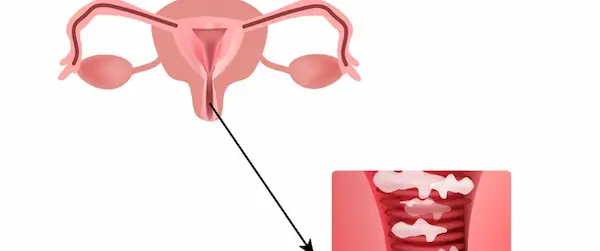
Treatment of hormonal vaginitis
Hormonal vaginitis is called vaginal atrophy. The treatment for vaginitis is mainly to compensate for the deficiency of the hormone estrogen, as it depends on estrogen in its various vaginal forms. Here are the details of the treatment:
Hormonal vaginitis treatment medications
- Vaginal estrogen, including vaginal creams, is used on a daily or regular basis to moisturize the vagina and even alleviate symptoms. There are vaginal tablets that are placed in the vagina and are used in regular doses, and vaginal rings that release estrogen slowly over a period of time.
- Vaginal dehydroepiandrosterone (DHEA), which is represented by prasterone (Intrarosa), which is a hormone that stimulates the body’s production of other hormones, including estrogen, and in cases of moderate to severe vaginal atrophy, it is used at night.
- Avoid using irritants, scented soaps, and washing powders.
How can vaginal infections be diagnosed at Al Mousa Hospital?
In order to treat vaginitis, vaginitis is diagnosed through several methods, including following symptoms, clinical examination, and laboratory tests. Below are the details of the diagnosis:
- Medical history and symptoms: The patient explains to the doctor the symptoms he is experiencing, including a change in the color of the discharge, the smell of the discharge, and its quantity as well, itching, irritation, pain during intercourse or when urinating, or light bleeding. The doctor also asks about a history of previous vaginal infections, or the presence of sexually transmitted diseases.
- Pelvic examination: The external genital area is examined. A speculum is used that reveals the walls of the vagina and cervix as well, and shows the presence of any signs of inflammation or secretions. The doctor may examine the pelvic organs through touch.
- Examination of vaginal secretions: This is done by taking a sample of vaginal or cervical secretions and then analyzing them in the laboratory, from which signs of bacterial, bacterial, or parasitic infection are detected.
- pH test: The specialist uses a special test strip to measure the pH in the vaginal area. If there is an increase in the pH above the normal range, this is an indication of bacterial vaginosis.
- Tests as needed: The doctor resorts to them in some cases, which include tests to detect sexually transmitted diseases such as chlamydia, gonorrhea, and herpes, or tests for blood analysis.
Book your consultation now at مركز صحة المرأة At Al Mousa Specialist Hospital.
Prevention of vaginal infections
There are many habits that help prevent vaginal infections instead of infection and the necessity of treating vaginitis, and we will reveal them in detail below:
- Paying attention to personal hygiene: by washing the genital area with warm water only and refraining from using scented soap or any vaginal wash because this causes an imbalance in the natural bacteria balance. The area is wiped after urinating from front to back, and it is necessary to dry the area well after washing it.
- Wear loose, cotton clothing: This is to give the area ventilation. Avoid wearing tight clothing made of synthetic fabrics, because they cause moisture to be trapped. It is important to avoid fragrant feminine products, including sanitary pads and scented tampons as well, and not to use bubble bath, and be sure to change wet clothes, including swimwear.
- Practice safe sex: This is done with a condom, and this reduces the risk of sexually transmitted diseases, if the person is exposed to repeated infections.
- Healthy eating habits: This is done by eating a healthy and balanced diet. There are some types of healthy fats, including nuts and avocados, that help maintain the balance of estrogen, and this is important for vaginal health.
- Avoid irritants: You should refrain from bathing in hot tubs or bathing in contaminated swimming pools, and antibiotics should not be used unless necessary, because they disturb the balance of natural bacteria.
Frequently asked questions
Do vaginal infections go away on their own?
Not all vaginal infections disappear on their own, and spontaneous disappearance depends on the type and severity of the infection as well, but there are types of vaginal infections that require special medical treatments, and there are cases that require intensive treatment.
How long does it take to treat vaginitis?
The duration of treatment for vaginal infections ranges from three days to a week in simple or moderate cases, but severe cases of inflammation or recurrent cases require a long treatment period that can reach two weeks or more, and the duration of treatment depends on the type and severity of the infection.
After we revealed the treatment for vaginitis, we explain that the initial signs of recovery appear when the annoying symptoms, which are itching, redness, and vaginal discharge, disappear. However, if the symptoms do not disappear completely or they return again, a specialist doctor should be consulted. We, within Al Mousa Health Hospital, have a team of professional gynecologists who are able to make the appropriate diagnosis in addition to prescribing medications that help in treatment immediately.
Sources
Vaginitis – clevelandclinic
Vaginitis – self-care – medlineplus