
What is occupational therapy? It is a field that aims to improve the ability of individuals to perform daily activities through customized treatment plans based on the needs of each person. Occupational therapy includes diverse groups such as children, the elderly, and people with physical or mental injuries or disabilities. It focuses on developing motor and cognitive skills and teaching strategies that help in adapting to daily difficulties that help improve health and increase self-confidence.
What is occupational therapy?
What is occupational therapy?
Occupational therapists work with different age groups in multiple settings, such as hospitals, schools and homes, to help individuals achieve more independent and active lives.
Benefits of occupational therapy
Occupational therapy offers several benefits to individuals who face difficulties in performing daily activities, and the most important of these benefits are the following:
- Improved ability to perform daily tasks such as dressing, eating, and bathing.
- Teaching new methods that suit the person's condition.
- Using assistive devices such as wheelchairs or leg braces to increase the individual's independence.
- Ensure the safety of the surrounding environment by modifying the home or workplace to reduce the risks of falls and injuries.
- Improve lighting and install support handles in the bathroom.
- Train caregivers including family members on how to effectively support the injured person.
- Ways to transport him safely and organize his medications.
What is occupational therapy for children?
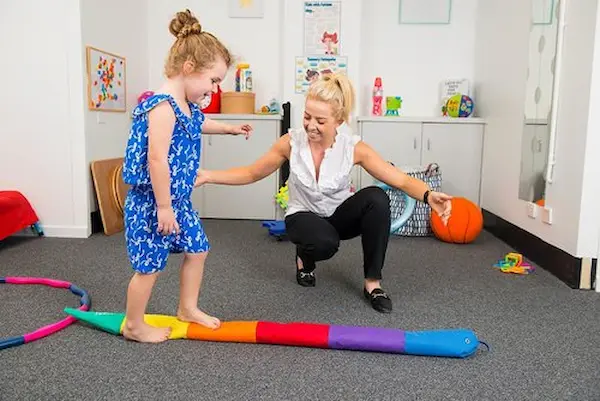
What is occupational therapy for children? It is a specialty that aims to help children who face physical, sensory, or cognitive difficulties that affect their ability to perform daily activities. This treatment focuses on developing their motor, sensory, mental, and social skills to enable them to participate effectively in daily life.
This includes improving their abilities to play, learn and socialize, as well as enhancing their independence in tasks such as dressing and eating. Occupational therapists work with children and their families to provide strategies and modifications that help the child achieve maximum functioning and independence.
Learn about: Occupational therapy for children provides comprehensive support for skill development
Occupational therapy for the elderly
Occupational therapy for the elderly aims to increase their independence and improve their quality of life through a group of specialized interventions. Below is a detailed explanation of the benefits of this therapy:
- Improving the ability to perform daily activities: Occupational therapy helps older people regain or improve their skills in performing daily tasks such as dressing, eating, and bathing, and reduces their dependence on others.
- Promoting balance and preventing falls: Occupational therapy focuses on improving balance and strengthening muscles, which reduces the risk of falls and associated injuries, and increases confidence in movement and mobility.
- Modifying the surrounding environment to ensure safety: Occupational therapists evaluate a senior's living environment and recommend modifications such as installing support handles in the bathroom, improving lighting, and removing obstacles to provide a safer, easier-to-navigate environment.
- Provide training to caregivers: Occupational therapy provides training and guidance to caregivers and family members on how to effectively support older adults, such as techniques to assist with mobility, medication management, and increasing safety at home.
- Improving mental and emotional health: Occupational therapy helps increase the mental health of older people by encouraging them to participate in social and cultural activities, which reduces feelings of isolation and depression, and increases feelings of accomplishment and well-being.
- Use of assistive devices and assistive technologies: Occupational therapists provide advice on using assistive devices such as wheelchairs, leg braces, or adjusters, to help older adults perform daily tasks more efficiently.
- Chronic Pain Management: Occupational therapy uses various techniques to relieve chronic pain that older adults may experience as a result of conditions such as arthritis, and improve their overall comfort.
- Promoting social participation: Occupational therapy encourages older people to engage in social and community activities, which increases a sense of belonging and purpose, and supports psychological and emotional health.
Occupational therapy sessions
Occupational therapy sessions aim to improve individuals' ability to perform daily activities. These sessions include a variety of activities and techniques designed to meet the needs of each individual. Below we mention the most important components of these sessions:
- An occupational therapist begins with a careful assessment of a person's condition, including their physical, sensory and cognitive abilities to identify areas that need improvement.
- Based on the evaluation, an individual treatment plan is designed that suits the person’s needs and goals, while identifying appropriate activities and exercises.
- Exercises to improve fine motor skills include activities such as using tweezers to pick up small objects, or exercises to increase finger strength, with the aim of improving coordination and the ability to perform fine tasks.
- Activities to enhance balance and coordination include exercises to improve balance, such as standing on an uneven surface, or walking in a straight line, to increase stability and prevent falls.
- Assistive device training This includes teaching a person how to use assistive devices, such as wheelchairs or leg braces, to increase their independence in performing daily tasks.
- Modifying the surrounding environment: The therapist provides advice on modifying the home or work, such as improving lighting or installing support handles in the bathroom, to make the environment safer and easier to use.
- Perceptual and cognitive skills training This includes activities to improve memory and attention, such as solving puzzles or games that require concentration, to raise mental abilities.
- Supporting mental and emotional health By encouraging participation in social activities and providing psychological support, an occupational therapist helps improve mood and reduce feelings of isolation.
- Caregiver education and training This includes providing guidance to family members or caregivers on how to effectively support the person, such as techniques to assist with mobility or medication regulation.
- Monitoring and Evaluating Progress The person’s progress is regularly reviewed and evaluated, and the treatment plan is modified as needed to ensure that the desired goals are achieved.
What is the difference between physical therapy and occupational therapy?
What is occupational therapy and physical therapy? They are two complementary fields in health care, aiming to improve the quality of life of individuals. The following is an explanation that explains the difference between them:
- Primary Focus: Physical therapy focuses on improving movement and physical strength, while occupational therapy focuses on enabling individuals to perform daily activities independently.
- Therapeutic approach: Physical therapy uses techniques such as therapeutic exercises and massage to improve movement and reduce pain, while occupational therapy focuses on teaching and developing fine motor skills and modifying the surrounding environment to facilitate the performance of daily tasks.
- Target groups: Physical therapy targets individuals with injuries or conditions that affect movement, such as injured athletes or elderly people with balance problems. In contrast, occupational therapy targets people who face difficulties in performing daily activities due to physical or mental disabilities.
- Therapeutic goals: Physical therapy aims to improve strength and flexibility and restore mobility after injuries or surgeries, while occupational therapy aims to improve people's functional abilities to enable them to carry out daily activities independently and safely.
Book your consultation now at Well-being center At Al Mousa Specialist Hospital.
Types of occupational therapy within Al Mousa Hospital
Occupational therapy includes several subspecialties that attempt to meet the needs of different individuals. Below we mention the types of occupational therapy available within Al Mousa Hospital:
- Pediatric treatment: It focuses on helping children who suffer from developmental delays or physical or mental disabilities, with the aim of improving their fine motor skills, enhancing their abilities to perform daily activities, and developing their social skills.
- Treatment for the elderly: aims to support the elderly in maintaining their independence by improving their abilities to perform daily tasks, and providing strategies to adapt to the physical and cognitive changes associated with aging.
- Psychosocial therapy: helps individuals who suffer from psychological or social disorders, and aims to improve their social skills, enhance their ability to interact with others, and develop strategies to deal with psychological challenges.
- Physical Rehabilitation: Focuses on helping individuals who have suffered injuries or surgeries that affect their motor abilities by providing exercises and techniques to improve strength, flexibility, and coordination.
- Sensory integration therapy: Targets individuals who have difficulties processing sensory information, such as children with autism, and aims to improve their ability to organize and respond to sensory stimuli appropriately.
- Cognitive therapy: Focuses on improving cognitive abilities, such as memory, attention, and problem solving, and is used with individuals with brain injuries or cognitive disorders.
- Autism treatment: Provides support to children and adults with autism spectrum disorder, with the aim of improving communication and social interaction skills, and increasing the ability to perform daily activities.
- Cerebral Palsy Treatment: Targets individuals with cerebral palsy to improve their motor abilities, attempt to perform daily tasks, and provide coping strategies for the challenges associated with the condition.
اسئلة شائعة
Who needs occupational therapy?
Occupational therapy benefits individuals who face difficulties in performing daily activities due to conditions such as brain injuries, developmental disorders, psychological illnesses, or advanced age. Occupational therapy helps these people improve their motor and cognitive skills and facilitate their participation in daily life.
How many hours is occupational therapy?
The duration of occupational therapy sessions varies based on the needs of each individual. Usually, sessions last from 30 minutes to an hour, and some therapeutic programs may require longer sessions, up to 90 minutes or more. The number of weekly sessions varies according to the patient’s condition and the goals of treatment. Some may need multiple sessions per week, while others may be satisfied with one session, and this is determined based on the specialist’s assessment of the patient’s condition.
We answered the question: What is occupational therapy, as it is an important tool for improving the quality of life for individuals who face difficulties in performing daily activities through its dedicated sessions? The treatment contributes to improving motor and cognitive abilities and helping individuals adapt to their health conditions thanks to continuous evaluation and appropriate treatment plans carried out by the most competent doctors at Al Musa Health Hospital who can achieve clear positive results.
Sources
Occupational Therapy – clevelandclinic
