
What is hemiplegia in children?
This is because he may be unable to control the movement of his hand and leg on one side of his body, and thus he cannot hold his toys or run with his companions.
So if you would like to know more information about this disease, and how it can be treated, follow this article with me.
ما هو الشلل النصفي عند الأطفال؟
Hemiplegia in children is a type of cerebral palsy, and results from damage to the parts of the brain, or spinal cord, that control the movements of the following:
- Face.
- Torso.
- arm.
- Leg.
This disease affects one side of the body, and its name comes from the Greek words (hemi), which means half, and (plegis), which means afflicted.
Because the nerves coming from the brain to control body movement intersect with each other directly above the meeting point of the skull and spine.
An injury to the left side of the brain causes right hemiplegia, while an injury to the right side of the brain causes left hemiplegia.
This injury may occur before, during, or shortly after birth (until approximately two years of age), and is then known as congenital hemiplegia.
But if it occurs later in life as a result of injury or illness, it is known as acquired hemiplegia.
What are the types of hemiplegia in children?
This medical problem is divided into several types, according to the affected part of the body, and includes the following: –
1. Facial hemiplegia: –
- In this type, the muscles of one side of the face are paralyzed.
- It usually happens after السكتة الدماغية, or similar brain injury.
- This type may occur with slight paralysis in the rest of the body.
2. Spinal hemiplegia: –
- This type occurs when the spinal cord is injured on one side of the body, resulting in paralysis on the same side.
- It is accompanied by loss of sensation of pain and heat on the other side of the body.
3. Contralateral hemiplegia: –
- It results from injury to one hemisphere of the brain.
- Paralysis is usually on the side opposite where the brain damage occurred.
4. Spastic hemiplegia: –
- This type affects the muscles of one side of the body.
- The muscles are in a constant state of contraction.
- It causes chronic muscle pain and deformities in the affected area.
5. Cerebral hemiplegia: –
This type occurs as a result of a brain injury.
Get to know Bell's palsy in children and appropriate treatment methods
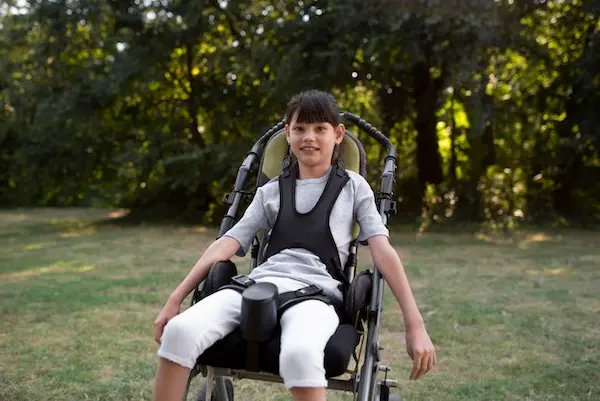
Causes of hemiplegia in children
There are many causes of hemiplegia in children, many of which are related to birth events, which is why this period is known as the perinatal period.
Problems that may affect the fetus’s brain include the following: –
- stroke.
- Brain abnormalities.
- Injury due to premature birth.
- Sturge-Weber syndrome.
- Hypoxic injury.
- Infections.
- Brain hemorrhage.
Hemiplegia can also occur in older children, and its causes include the following: –
- Brain infections, meningitis, or Ramsay Hunt syndrome.
- Physical shock.
- Spinal cord injuries.
- Brain hemorrhage.
- stroke.
- Brain tumor.
Temporary cases of hemiplegia may occur, resulting from the following: -
- الصداع النصفي.
- Transient ischemic attacks (a temporary condition in which blood flow or oxygen to the brain is reduced, resulting from a blood clot, blood vessel abnormalities, or artery spasm).
- Seizures and epilepsy.
- Todd's paralysis.
What are the symptoms of hemiplegia in children?
Symptoms of this medical problem in children may vary from one child to another, and include the following: –
- Stiffness and weakness in the muscles of one side of the body.
- صعوبة في المشي والتوازن.
- Delay in reaching expected developmental milestones, such as sitting, crawling, or smiling.
- Preferring to use one hand at an early age during infancy.
- Delayed walking.
- Difficulty performing fine motor tasks, such as writing or using scissors.
- Walking on tiptoes on the affected side.
Children may suffer from other conditions in addition to hemiplegia, and these conditions result from the injury that caused the paralysis, and they include the following:
- Memory: –
Difficulty absorbing, storing and retrieving new information.
- Attention and focus: –
The child has problems concentrating and maintaining attention for long periods.
- Speech and language:-
The child may suffer from speech and pronunciation problems, such as stuttering or loss of speech.
1.Behaviour: –
He may also suffer from the following: –
- Agitation.
- irritability.
- Mood swings.
- Hyperactivity.
- نوبات الغضب العاطفية والسلوكية.
2.Sensory weakness: –
This includes changes in vision and decreased sensory perception on the affected side.
Book your consultation now at Pediatric Center At Al Mousa Specialist Hospital.
Methods of diagnosing hemiplegia in children
This medical problem may require several tests, such as: –
Brain MRI: –
This imaging contributes to taking a picture of the brain.
Computed tomography: –
Your doctor may advise you to undergo this procedure if your hemiplegia is severe.
Angiography.
Heart examinations: –
Your doctor may advise you to undergo an electrocardiogram or echocardiogram to examine the structure and function of your heart.
Blood tests: –
It is used to detect blood clotting disorders.
How to treat hemiplegia in children
The main goal of treating hemiplegia in children is to restore the child’s motor and functional skills, and treatment depends on the following: –
- The reason that causes this medical problem.
- The severity of the child's condition.
Treatment of this medical problem includes the following: –
- Medicines: –
Some children may need treatment for muscle tension or spasticity.
- Physiotherapy: –
aims Physical therapy To the following: -
- Develop the ability to balance.
- Build strength.
- Coordination of movements.
- Tightening or spasming muscles.
An occupational therapist can also help your child with daily activities and fine motor skills.
- Speech therapy:-
Some children may need a speech therapist;
- Electrical stimulation: –
Electrical stimulation contributes to muscle movement through electrical pads.
- Physical and motor rehabilitation: –
Physical rehabilitation helps strengthen the muscles on the weaker side and restore movement by restricting the moving side of the body and trying to move the affected side.
Ways to prevent hemiplegia in children
Although it is not always possible to prevent hemiplegia, there are specific steps that can be taken to reduce the risk, including: –
- اتباع نظام غذائي متوازن والحفاظ على وزن صحي.
- Do not ignore infections, as infections, especially those that affect the eyes and ears, can cause hemiplegia if they spread to the brain.
- Wear protective equipment, especially helmets and seat belts, to help you avoid head, neck, and back injuries that may lead to this medical problem.
- Exercise regularly to maintain muscle strength, coordination and general health.
- Managing underlying health conditions, such as diabetes and cardiovascular disease that may predispose you to stroke, the main cause of hemiplegia.
Get to know Quadriplegia in children Causes, symptoms, treatment options and support
What are the complications of hemiplegia in children?
The development of hemiplegia may lead to short- or long-term health complications, such as: –
- ضمور العضلات.
- Difficulties in bowel control.
- Urinary retention.
- Muscle spasms.
- صعوبات في التنفس.
- Loss of sensation.
- سلس البول.
Frequently asked questions about hemiplegia in children
If your child suffers from hemiplegia, you may have many questions in mind, such as: –
Can polio be cured?
Yes, the causes that lead to paralysis can be treated with immediate medical care.
How do I know if my child has polio?
Indicators that your child may have this medical problem include the following: –
- Weak motor skills.
- Difficulty grasping things.
- Muscle weakness or stiffness on one side of the body.
- Muscle spasms.
- Difficulty walking.
- Poor balance.
Pre-paralysis symptoms?
Initial symptoms that indicate your child has paralysis include the following: –
- عدم القدرة على تحريك الجزء المصاب من جسده.
- Persistent loss of sensation.
- Muscle spasms.
- Tingling or numbness in the extremities.
- Pain in the affected muscles.
In conclusion, I now realize, dear reader, what is hemiplegia in children?
Therefore, if your child suffers from this medical problem, you must go to Al Mousa Specialist Hospital immediately, so that the best doctors can help you provide the appropriate treatment for your child’s condition.
Sources and references
Hemiplegia – chasa
Hemiplegia – childneurologyfoundation
