
Do you know what multiple sclerosis is?
This disease affects people differently, as its symptoms vary, and leaves each person with a unique journey of challenge and resilience.
So if you would like to know more information about this disease, and how it can be diagnosed and treated, follow this article with me.
What is multiple sclerosis?
Multiple sclerosis (MS) is an autoimmune disease because your immune system begins by mistakenly attacking parts of your own body instead of attacking foreign objects, such as bacteria and viruses.
This chronic disease affects the brain, spinal cord and optic nerves in your eyes, leading to problems with the following: –
- Vision.
- Balance.
- Muscle control and other basic body functions.
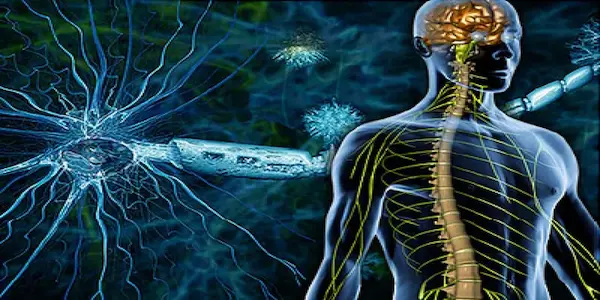
Multiple sclerosis occurs when your immune system mistakenly attacks myelin cells, the protective coverings that surround the nerves of the brain and spinal cord.
Damage to this layer leads to damage to nerves, and impedes the arrival of messages that they send to all parts of the body to perform its functions, such as vision, movement, and sensation.
Causes of multiple sclerosis
Multiple sclerosis is caused by damage to the myelin layer (the protective layer that surrounds nerve cells in the brain and spinal cord), which leads to disruption of normal communication between the brain and the rest of the body.
But doctors still don't know for sure why this happens.
- Having a viral infection, such as the Epstein-Barr virus or the human herpes virus, because this infection contributes to disrupting your immune system from working normally.
- Low levels of vitamin D.
- التدخين.
- Exposure to toxins, such as passive smoking and pesticides.
- السمنة.
- Genetic factors, but multiple sclerosis is not a hereditary disease.
- Autoimmune disorders, such as type 1 diabetes, or...For rheumatoid arthritis.
Read also: Get to know me Symptoms of multiple sclerosis
Types of multiple sclerosis
Types of multiple sclerosis include the following: –
- Clinically isolated syndrome: –
It is a condition that precedes multiple sclerosis, and includes a single episode of symptoms that lasts for at least 24 hours.
Although this attack is a feature of multiple sclerosis, it is not enough to diagnose the condition.
- Relapsing-remitting multiple sclerosis: –
It is the most common type of MS when diagnosed, accounting for approximately 85% of all initial diagnoses.
- Primary progressive multiple sclerosis: –
Neurological function deteriorates slowly from the onset of symptoms, then gradually worsens over time.
- Secondary progressive multiple sclerosis: –
Recurrent atheroma develops into this type, and symptoms gradually worsen over time.
Diagnosis of multiple sclerosis
The neurologist performs a neurological examination;
The tests include the following: –
- MRI: –
This procedure detects active and inactive lesions throughout the brain and spinal cord.
2. Optical tomography: –
This procedure takes a picture of the layers of nerves at the back of the eye to check for thinning around the optic nerve.
3. Lumbar puncture: –
This procedure helps detect any abnormalities in the spinal fluid.
4. Blood tests: –
Doctors order blood tests to rule out the possibility of other conditions with similar symptoms.
5. Induced voltage test:-
This test records the brain's electrical response to visual, sensory, and motor stimuli.
6. Urine tests.
Book your consultation now at مركز العلوم العصبیة At Al Mousa Specialist Hospital.
Treatment of multiple sclerosis
There is no treatment currently available to treat multiple sclerosis, but available treatment options may reduce relapses, or slow the progression of the disease.
The available treatments depend on the following: –
- العمر.
- Symptoms.
- public health.
- How bad the condition is.
Treatment for multiple sclerosis includes the following: –
- Disease-modifying therapies: –
These treatments help slow the progression of the disease and reduce the rate of relapse.
2. Relapse management medications: –
Corticosteroids help quickly reduce inflammation by suppressing your immune system.
3. Muscle relaxant medications: –
These medications help relieve muscle spasms, spasms, or stiffness.
4. Antiepileptic drugs: –
These medications are used to relieve pain.
Your doctor may provide you with treatment and support for symptoms of multiple sclerosis, including the following: –
- Physical therapy and exercise to help with movement problems and muscle pain.
- Cognitive behavioral therapy, to help treat anxiety, depression, and fatigue.
- Cognitive rehabilitation;
- Medicines to treat stomach and bladder problems.
- Treatment for sexual problems, such as erectile dysfunction, vaginal dryness, or low sexual desire.
- Equipment, such as canes, supports, or walkers.
The role of Al Mousa Hospital in treating multiple sclerosis
Al Mousa Specialist Hospital may help you relieve the symptoms of multiple sclerosis and strengthen your muscles by providing a physical therapy program, which includes the following: –
- A set of stretching and strengthening exercises.
- The Lokomat device, which is one of the most modern robotic devices in the world, is used to rehabilitate patients to walk, in the event of complete or partial loss of walking.
- Indago device, as this device contributes to restoring your ability to walk and move safely.
- Pablo device, to improve your cognitive and motor ability.
- Providing special cognitive rehabilitation programs to improve your memory and concentration.
Complications of multiple sclerosis
Exacerbation of multiple sclerosis symptoms may lead to complications, which range in severity from mild to severe, and include the following: –
- Difficulty walking without assistance.
- الصرع.
- Mental changes, including forgetfulness or mood swings.
- Difficulty swallowing.
- Vertigo.
- Loss of bowel and bladder control.
- The shiver.
- Urinary tract infections.
- الإمساك.
- الاكتئاب.
- amnesia.
- Erectile dysfunction.
- تيبس العضلات.
- Paralysis, usually in the legs.
Learn about: 6 of the most important Rehabilitation programs for patients with multiple sclerosis Get to know her
How to prevent multiple sclerosis
Multiple sclerosis cannot be prevented, but some factors may help you reduce your risk of developing it, such as: –
- Modifying therapies are the most effective way to reduce your attacks or relapses.
- Changing your lifestyle, including: –
- Get enough vitamin D.
- Maintain a healthy weight.
- Live in a sunny climate.
- Refrain from using tobacco products.
- Get enough sleep.
- Participate in physical activities regularly.
- Reduce stress.
Frequently asked questions about multiple sclerosis
If you suffer from multiple sclerosis, you may have many questions on your mind, such as: –
What is the end of multiple sclerosis?
The final stages of multiple sclerosis may be difficult, as symptoms worsen during this stage, and include the following: –
- هشاشة العظام.
- Swallowing problems.
- Acute inflammation of the bladder, kidneys, or urinary tract.
- Bowel problems, such as constipation or urinary incontinence.
- Vision complications.
- صعوبة في التنفس.
- Spasticity, or increased stiffness and resistance when moving a muscle.
- Loss of appetite, or dehydration.
- الاكتئاب.
- Suicide.
- Blindness.
What is the recovery rate for multiple sclerosis?
There is no cure for multiple sclerosis, but there may be some treatments that help you slow the progression of the disease and manage symptoms.
Does multiple sclerosis lead to death?
Multiple sclerosis does not cause death, but its complications in the final stages may lead to death, such as respiratory problems, which are the main cause of death.
This is due to weak muscles that control the lungs, which leads to difficulty breathing.
I now realize, dear reader, what is multiple sclerosis?
Therefore, if you suffer from multiple sclerosis, you must go to Al Mousa Specialist Hospital immediately, so that the best doctors can help you diagnose your condition and help you, using the latest devices, improve your movement and your ability to concentrate.
Sources
Symptoms, Causes, and Treatment of Multiple Sclerosis (MS) – healthline
Multiple Sclerosis (MS) – clevelandclinic
