
One of the most important stages that a child goes through during the first period of development is infant growth spurts, and although they are rapid periods, they make a big difference in the child’s physical and mental development, and require a special way for the mother to deal with the infant during that period, so we will educate mothers through this article to learn about the signs of growth spurts in detail and how to help the infant pass that period safely.
What are infant growth spurts?
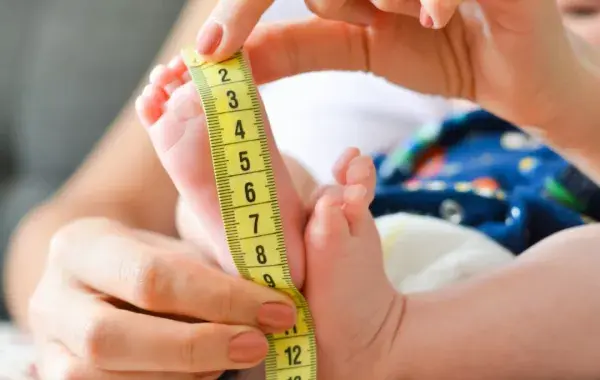
Infant growth spurts are a natural and temporary condition that occurs over short periods of time that the infant experiences, and it causes rapid changes in mental and physical development. During these spurts, the infant increases in weight and height, and develops many skills later on. These periods are often accompanied by changes in the child’s mood, as they ultimately indicate healthy development in growth.
8 of the most important signs of growth spurts in infants
There are some signs that indicate the beginning of the child’s developmental periods, known as signs of infant growth spurts. Below we learn about the 8 most important of them:
-
Sudden increase in appetite
As a result of the body's need for growth, and this period may include the appearance of teeth and other stages of physical and mental development, the infant suddenly appears to have an increased appetite for breastfeeding. In the event that he begins to rely on pureed and light foods with breastfeeding, the child increases his demand for food, to the point that the mother notices that the breastfeeding period is longer than usual.
-
Severe sleep disturbances
The infant suffers from severe sleep disturbances, sleeping more than usual or waking up frequently during the night due to interrupted sleep. Some infants may refuse to sleep at all despite being tired.
-
Irritability and constant crying
The child becomes extremely nervous and experiences severe mood swings. He becomes more agitated and cries suddenly for no apparent reason, making it difficult to calm him down using the usual methods.
-
Behavior changes
The mother notices major changes in the child’s behavior and emotions with others. He becomes less interactive and shows signs of confusion, and his interest in toys and things around him decreases greatly.
-
Digestive disorders
During these periods, the infant is usually accompanied by digestive disorders such as gas, severe colic, and an increased number of defecation times with a change in its consistency, and sometimes the infant temporarily rejects some types of milk.
-
الIntense attachment to the mother
It is noted that the infant has a strong attachment to his mother and refuses to stay away from her or from the person who is taking care of him. He cries as soon as he is away from his mother’s embrace or not seeing her, and during these periods he feels insecure because of the disorders he suffers from.
-
Cluster feeding and growth spurts in infants
There is a great relationship between cluster feeding (repeated breastfeeding over a short period) and growth spurts in infants. During that period, the mother may notice the infant crying at night in order to breastfeed intensively and repeatedly to meet his needs during that period. It is a natural response for the child’s body to support mental and physical growth, and it is a distinctive sign of growth periods.
-
Development in the child's skills
One of the most beautiful signs that the mother notices in the infant’s growth spurts is the significant developments in the child’s skills, such as the following:
- Neck balance control.
- Crawling and trying to sit up in certain months.
- Increase eye contact and laughter with others.
- He makes new sounds that may include saying some simple words.
Learn about: Everything you need to know about delayed motor development in children
When do children experience growth spurts?
In order to know in detail the answer to the question of when children suffer from growth spurts, we must mention all the age stages of infants and the changes that occur in them, whether in motor or physical development.
-
The first week after birth
The first growth spurt for infants begins in the first week after birth, and the infant suffers from sudden changes in appetite and an increased need for breastfeeding, along with frequent crying.
-
The third week after birth
The third week after birth witnesses more noticeable periods, such as an increase in the number of breastfeedings, fluctuations in the infant’s sleep, some mood changes, and a constant need to calm down from crying.
-
6 weeks of baby's life
After 6 weeks of the infant's age, there is a sudden and rapid increase in the child's physical growth, such as height and weight, and sleep disturbances increase with the desire to breastfeed continuously, which is what we talked about before about cluster feeding, and simple features of the infant's motor development begin.
-
The period is 8 to 9 weeks
In the period from 8 to 9 weeks, the child goes through a major and noticeable mental transformation and begins to interact with voices and faces. This period is sometimes accompanied by crying spells and mood swings.
-
The third month of the infant's life
The third month of an infant's life is associated with sensory and visual improvement. He begins to monitor people and track their movements. He may ask to sleep more than usual during that period.
-
6 months of baby's age
At the age of 6 months, the infant experiences major breakthroughs and developments in motor skills, such as the ability to sit and turn over during sleep, and begins to explore those around him. This period also witnesses changes in appetite with the beginning of the introduction of solid food to the child.
-
The infant is 9 months old
At the age of 9 months, an infant begins to undergo cognitive and social growth spurts. He interacts greatly with toys and imitating sounds, and may sometimes suffer from tension and discomfort due to the sudden changes he is experiencing.
-
12 months of the infant's age
After one year of life, the infant begins to prepare to walk and speak clearly for the first time, with increased attachment and rapid emotions, and begins to refuse sleep while constantly requesting the mother’s presence.
Book your consultation now at Pediatric Center At Al Mousa Specialist Hospital.
How to deal with infant growth spurts
Learn with us the most important tips that help you deal with infant growth spurts, which are provided to you by pediatricians at Al-Mousa Specialist Hospital in Al-Ahsa:
- Provide a quiet environment for sleeping:
Always make sure to provide the appropriate environment to calm the child during crying and mood swings, such as reducing the lighting and providing a room without noise that helps him sleep and relax. - Responding to the infant's need to breastfeed:
The child's need for a number of breastfeeding times must be met, whether breastfeeding or artificial feeding, because the body during those periods needs repeated breastfeeding to nourish and feel safe. - Intensify physical contact:
During infant growth spurts, attention must be paid to intensifying physical contact, such as carrying the child and providing the necessary affection and containment he needs until he feels safe and calm. - Be patient and flexible:
Be patient and flexible in dealing with the infant, even if the periods are difficult, as it is an exceptional period that will inevitably pass, and it is necessary to communicate with specialist doctors to always guide you to what is best for your child. - Follow up and record the child’s developments:
You must follow and record the developments that happen to your child during that period, and try to write down any notes about the behavior, general pattern, way of eating, and sleeping, which will help you know this mutation and its characteristics and benefit from it with your children later. - Use methods to calm the infant:
There are some successful methods that help calm the baby when he is crying and unable to sleep, such as a warm bath before bed, giving a gentle massage to the baby, and playing some soothing sounds such as the sound of the sea or some familiar sounds to the baby.
- Doctor consultation and follow-up:
If any abnormal changes appear or growth periods are longer than usual, you must consult a specialist doctor and follow up to ensure that the growth periods are going smoothly.
Frequently asked questions
We continue to learn more about infant growth spurts by answering the following questions:
Is a growth spurt painful?
Yes, some growth spurts are painful, especially those followed by pain in the joints and bones in infants, so we notice the infant crying constantly while refusing sleep and food.
What are the most famous growth spurts?
The most famous infant growth spurts are those related to weight gain, height, and head circumference, which increase significantly starting from one and a half months of the infant's life to months 3, 6, and 9.
What are genetic mutations and their types?
Genetic mutations are permanent changes in the DNA sequence, including point mutations. Genetic mutations may play an indirect role in growth spurts in infants because they may affect the speed and nature of this growth due to genetic disorders.
In order to learn more about infant growth spurts and how to deal with them properly, you should contact the pediatric clinic at Al-Mousa Specialist Hospital in Al-Ahsa. There are many distinctive medical programs offered within the hospital, such as the Maternal and Child Care Program, which helps in raising awareness and educating the mother about the postpartum stage and how to care for her child throughout that period.
Sources..
Growth Spurts & Baby Growth Spurts – clevelandclinic
Cluster Feeding and Growth Spurts – wicbreastfeeding
