
Melasma is a common skin problem that affects the appearance of the skin and a person's self-confidence. It appears frequently in women, especially during pregnancy, or with excessive exposure to sunlight.
What is melasma
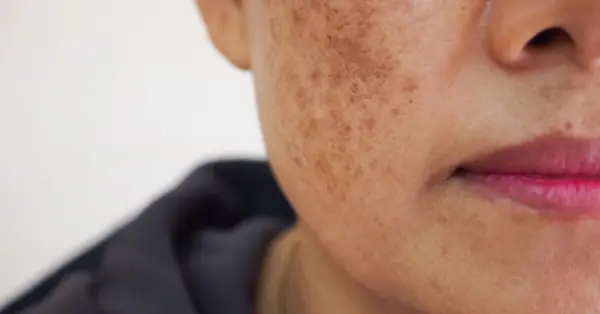
Melasma is a common skin disorder characterized by the appearance of dark or brown spots on the skin. It often appears on the face, especially in the areas of the forehead, cheeks, nose, and upper lip.
Melasma is more common in women, especially during pregnancy, and appears as a result of increased production of melanin pigment in the skin.
What are the types of melasma?
Types of melasma are classified based on the depth of pigmentation within the skin, and this classification helps in choosing the appropriate treatment for each case.
1. Epidermal Melasma
- They are pigmentations found in the upper layer of the skin, caused by excessive production of melanin pigment.
- Its color is dark brown, with clear borders, meaning the edges of the spot can be easily distinguished.
- It is the type that responds most to topical treatments such as whitening creams and superficial peels.
- It appears uniform and clear in colour, and becomes lighter when rubbed or using exfoliating acids.
2. Dermal Melasma
- Deep pigmentation within the dermis (the second layer of skin), where melanin pigment seeps deep.
- It is grayish-blue or greyish-brown in colour, with blurred edges.
- It is less responsive to topical treatments, and may require advanced techniques such as laser or deep peeling.
- Its color does not change when the skin is rubbed, and its edges are difficult to accurately identify.
3. Mixed melasma
- A combination of superficial and deep pigmentation, meaning that melanin is present in both the epidermis and the dermis.
- It consists of different shades of brown and gray in the same area.
- His response to treatment is moderate, and he requires complex treatment that includes creams, peeling sessions, and perhaps a laser.
- Some areas appear clearly dark and others pale or grey.
4. Cost of pregnancy
- It appears during pregnancy due to hormonal changes, especially in the second or third trimester.
- It is usually light or dark brown in color, depending on skin type, and most often appears on the cheeks and forehead.
- In many cases, it disappears spontaneously after birth, but sometimes it requires simple treatment.
Learn about: Hyperpigmentation Its causes, types, and effective treatment methods to unify skin tone
What are the causes of melasma?
The causes of melasma are due to a group of factors that interact with each other:
1. Hormonal changes
It is the most prominent cause of the appearance of melasma, and it occurs during pregnancy (chloasma of pregnancy), and after taking birth control pills, or hormone replacement therapy after menopause.
2. Exposure to sunlight
UV rays stimulate melanocyte cells to produce more melanin (the pigment responsible for skin color). Melasma is often worse in the summer or after spending a long time in the sun without protection. Even just heat (without direct sunlight) may worsen the condition in some people.
3. Genetic factors
Studies have shown that approximately 30-50% of melasma patients have a similar family history, so melasma patients often have a clear genetic predisposition to developing melasma.
4. Using inappropriate cosmetics or skin care products
Products that contain perfumes, alcohol, or irritating ingredients may cause skin irritation, making it more susceptible to melasma.
5. Stress and psychological pressure
Chronic stress affects the hormonal balance in the body, which may trigger melasma.
6. Medications and supplements
Some medications may make the skin more sensitive, such as:
- أدوية الصرع.
- Tetracycline antibiotics.
- Acne medications containing retinoids.
- Some hormonal or herbal supplements that contain phytoestrogens.
7. Thyroid problems
Patients with hypothyroidism or hyperthyroidism are more susceptible to melasma, and it is believed that there is a relationship between glandular disorders and their effect on melanin cells.
8. Other factors
There are factors that increase the possibility of developing melasma, such as:
- Skin color: People with dark skin are more susceptible to melasma.
- Heat exposure level: Such as a sauna, hot kitchen, or high-temperature places in general.
- Getting older: The chances of melasma appearing increase with age, especially with constant exposure to the sun.
What is the best medical treatment for melasma
Treatment for melasma varies depending on the severity of the condition and skin type, but in general, treatment aims to lighten the spots and reduce the activity of melanocytes.
1. Lightening creams
It is the first choice for treating mild to moderate melasma.
The most important active ingredients:
- Hydroquinone:
It is considered one of the most powerful materials to lighten melasma.
- Tretinoin:
A type of vitamin A that stimulates skin cell turnover and is often used in combination with hydroquinone.
- Azelaic acid:
Safe for pregnant women, reduces pigmentation and is sometimes used as an alternative to hydroquinone.
- Kojic acid:
A natural extract that acts as an anti-melanin pigment.
- Topical cortisone:
Use temporarily with triple mixtures to reduce inflammation.
- Triple mix:
It is a very effective medical formula for treating melasma, and it contains hydroquinone, tretinoin, and cortisone.
2. Chemical peeling
It uses exfoliating acids to renew the surface layer of the skin and reduce pigmentation. The results are gradual and require several sessions, after which the sun must be completely avoided.
The most famous types:
- Glycolic acid.
- Lactic acid.
- TCA in low concentration.
3. Laser therapy and photovoltaic techniques
It is used for stubborn and chronic melasma, but with extreme caution because the laser may sometimes cause hyperpigmentation, especially in people with dark skin.
The most famous types:
- Q-switched Nd:YAG laser:
Most commonly used for melasma, it is relatively safe for dark skin.
- Fractional laser:
It stimulates skin regeneration and may be used in a treatment plan with creams.
- Fractional carbon dioxide laser:
It is used with caution in melasma because it is strong and may cause irritation, but it is effective for certain conditions when used under close supervision.
- Intense Pulsed Light (IPL – Intense Pulsed Light):
It is uncommon in melasma because it may cause irritation, but it is used in some specific cases.
4. Microneedling with mesotherapy or plasma therapy
A technique that relies on making very fine pricks in the skin to stimulate collagen and enhance the absorption of brightening substances. It can be mixed with vitamin C or kojic acid serums.
5. Oral drug therapy
It is used in certain cases only. It contains tranexamic acid. It is given in low doses orally or by local injection. It reduces melanin production, and is effective in melasma that is deep or resistant to conventional treatment.
Book your consultation now at مركز الجلدية والتجميل At Al Mousa Specialist Hospital.
What are the home remedies for melasma
There are many natural ingredients that can be used to lighten spots and reduce pigmentation, but they are considered complementary to medical treatment and do not replace it in severe cases.
1. Aloe vera gel (aloe vera)
- It contains aloesin, which helps reduce pigmentation.
- Apply directly to melasma areas and leave for 15-20 minutes before washing.
- Suitable for sensitive skin.
2. Diluted apple cider vinegar
- It contains acetic acid, which contributes to mild exfoliation of the skin.
- Dilute 1:1 with water, and wipe the skin with a cotton ball once daily.
- Be careful not to irritate it, and it is best to test it on a small area first.
3. Turmeric with yogurt or honey
- Turmeric contains curcumin, an antioxidant that brightens the skin.
- Mix with yogurt until it becomes a paste and apply on the face for 10-15 minutes.
4. Lemon juice
- It is used as a natural exfoliant because it contains citric acid.
- Dilute with rose water or plain water and wipe the face, then wash after 5-10 minutes.
- Not suitable for sensitive skin or if there are wounds.
5. Natural Vitamin C
- Orange juice or orange peel infusion can be used as a natural toner.
- It helps lighten spots and enhance skin radiance.
6. Green tea
- It is used as a natural antioxidant, reduces inflammation and improves the appearance of pigmentation.
- A cold green tea bag can be passed over the face or its infusion can be used as a toner.
7. Sweet almond oil or vitamin E oil
- Moisturizes the skin and helps lighten it gradually.
- Apply a small amount before bed and wash off in the morning.
Learn also about: Carbon laser for pigmentation For vibrant skin
The most important tips for preventing melasma
There are steps to follow that reduce your chances of developing melasma, especially for women who are exposed to it during pregnancy or who have a family history of skin pigmentation.
1. Use sunscreen daily
- Use broad spectrum sunscreen (SPF 50+)
- Reapply every two hours, especially when going out or exposed to heat.
- Apply even on cloudy days or when sitting
2. Avoid direct exposure to sunlight
- It is best to stay out of the sun during peak hours (from 10 a.m. to 4 p.m.), or wear a hat and sunglasses when going out.
3. Stay away from products that irritate the skin
- Avoid lotions that contain alcohol, perfumes, or strong acids
- It is preferable to choose products suitable for sensitive skin.
4. Control hormonal changes
- Check with your doctor before using birth control pills if you are prone to melasma, to choose alternatives that do not further stimulate pigmentation.
- Monitor waiting for your menstrual cycle and any symptoms associated with hormonal imbalance, such as polycystic ovary syndrome.
5. Follow a healthy lifestyle
- Make sure to eat foods rich in antioxidants, such as vegetables and fruits.
- Avoid sugars and saturated fats that may affect skin health.
6. Regular skin examination
- It is preferable to visit a skin doctor regularly to help monitor periodically any change in skin color, and to obtain advice tailored to the skin type.
7. Avoid excessive skin exfoliation
- Use light, non-greasy moisturizing creams, and reduce the use of strong chemical exfoliants.
Frequently asked questions
What is the best product for melasma?
The best product for treating melasma is a 4% hydroquinone cream with tretinoin and a mild corticosteroid, which is an effective triple combination to lighten melasma and reduce pigmentation.
What is the best treatment for melasma and facial pigmentation?
The best treatment for melasma and facial pigmentation is to use creams containing hydroquinone, tretinoin, and exfoliating acids such as azelaic or kojic, with daily sunscreen with SPF 50+. Laser or intense pulsed light is the best option for treating melasma in severe cases.
How do I remove melasma quickly?
Use creams designed to treat melasma and lighten it, apply sunscreen +50 daily even indoors while staying away from the sun, gently exfoliate the skin with acids, and consult a laser and chemical peel doctor.
In conclusion, melasma treatment is possible when combined with daily care, effective medicinal products, and sun protection.
Sources
Harvard – Melasma
AAD- Melasma – diagnosis and treatment
