
Skin pigmentation is one of the most common skin problems, as statistics indicate that more than 35% of women and 25% of men suffer from one type of skin pigmentation during their lives, and the percentage also increases in areas with hot climates with constant exposure to the sun. This is why we are keen at Al-Mousa Hospital in Al-Ahsa to provide all possible therapeutic solutions to diagnose and treat pigmentation, and through our article today we review the causes of pigmentation, its types, and complications, along with prevention methods to obtain clear skin without any pigmentation.
What are skin pigmentations?
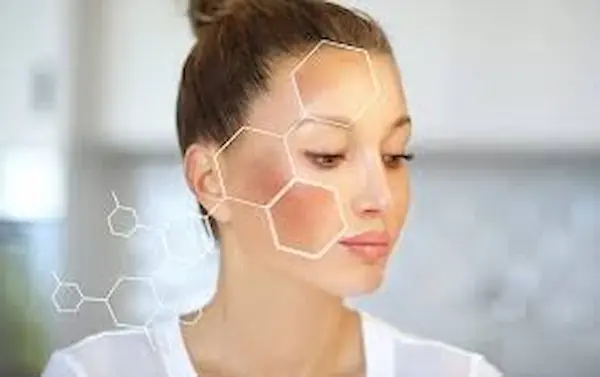
It is a common condition represented by a change in skin color in certain areas, as it becomes darker or lighter than the natural color of the surrounding skin. These pigmentations occur as a result of an increase or decrease in the production of melanin, which is the pigment responsible for the color of the skin, hair, and eyes.
Causes of skin pigmentation
There are many causes of skin pigmentation that lead to a change in skin color, whether by increased or decreased melanin production. These causes range from external factors such as exposure to the sun to internal factors such as hormonal changes and diseases, and are as follows:
- Sun exposure:
UV rays stimulate melanin production, causing sun spots or worsening melasma.
- Hormonal changes:
Such as pregnancy, use of contraceptives, or thyroid disorders, which affects melanin production.
- Skin infections:
Acne, eczema, burns, or wounds leave dark spots after healing and are post-inflammatory pigmentation.
- Medicines and chemicals:
Some medications such as anti-inflammatories, chemotherapy, or cosmetics may cause pigmentation.
- Skin diseases: such as vitiligo, psoriasis, or fungal infections.
- العوامل الوراثية:
Genetic predisposition plays a role in the appearance of melasma or vitiligo.
- Aging:
Decreased skin cell turnover with age causes age spots.
- undernourishment:
A deficiency of vitamins such as B12 or C may affect skin color.
- Stress and environmental factors:
Chronic stress or exposure to pollution may contribute to worsening pigmentation.
Learn about: Carbon laser for pigmentation For vibrant skin
Types of skin pigmentation
Skin pigmentation is a common condition that affects the appearance of the skin.
1. Hyperpigmentation
- Melasma:
Brown or gray spots that often appear on the face, common in pregnant women or contraceptive users.
- Sunspots:
Dark spots caused by prolonged exposure to sunlight, also known as age spots.
- Post-inflammatory hyperpigmentation:
Dark spots appear after skin infections, such as acne or wounds.
2. Hypopigmentation
- Vitiligo:
Loss of pigment in certain areas, leading to white spots.
- Albinism:
A rare genetic condition that causes a complete or partial lack of melanin.
- Hypopigmentation after injury:
Light spots appear after burns or injuries affecting melanin cells.
3. Mixed pigmentation
- A combination of hyperpigmentation and hypopigmentation in different areas.
- They may appear as a result of complex skin diseases or incorrect treatments.
Do you notice the appearance of skin pigmentation without knowing its type or cause?
Book your consultation now at مركز الجلدية والتجميل At Al Mousa Specialist Hospital.
Complications of skin pigmentation
Although skin pigmentation may be harmless, it may lead to physical and psychological complications if not treated properly. These complications may affect the quality of life or require additional medical interventions. Here is a detailed account of the complications of skin pigmentation.
1. Psychological and social impact
- Dark or light spots, especially on the face, may cause embarrassment or anxiety about appearance.
- Feeling dissatisfied with the appearance of the skin may lead to psychological disorders in some people, such as anxiety or stress.
2. The condition worsens
- Continuous exposure to the sun without protection or using inappropriate treatments may increase the severity of melasma or sun spots.
- Attempts to remove pigmentation using incorrect methods, such as violent exfoliation, may lead to infections or scarring.
3. Treatment complications
- Using products containing substances such as hydroquinone or retinoids in high concentrations without medical supervision may cause redness or peeling.
- Some treatments such as laser or chemical peels may cause post-inflammatory pigmentation if not done correctly.
- Harsh or inappropriate treatments for the skin type may lead to permanent damage such as burns and scars.
4. Health problems
- Some pigmentation, such as those associated with vitiligo or thyroid disorders, may be a sign of immune or hormonal diseases that require treatment.
- In conditions of hypopigmentation such as albinism or vitiligo, the skin is more susceptible to damage from ultraviolet radiation, which increases the risk of skin cancer.
5. Difficulty in chronic treatment
- Some types of pigmentation, such as melasma or vitiligo, may be chronic and require long-term treatments, which leads to financial costs and continuous effort.
- Resistance of some pigmentations to treatment may cause frustration and repeated attempts without satisfactory results.
Skin pigmentation treatment
Treatment of skin pigmentation depends on the type of pigmentation and its cause, but the treatment plan requires a combination of medical treatments, home care, and prevention to achieve the best results, and consulting a dermatologist is necessary.
First: medical treatments
- Topical creams:
Hydroquinone is used to lighten dark spots, retinoids renew skin cells and reduce pigmentation, azelaic acid treats post-inflammatory pigmentation and acne, as well as kojic acid or vitamin C as lighter alternatives to lighten the skin.
- Chemical peeling:
It uses acids such as glycolic or salicylic acid to remove the superficial layers of the skin, which helps reduce dark spots.
- Laser treatment:
Such as Q-Switched or Fractional Laser target dark spots or vitiligo, but may require multiple sessions and may cause temporary irritation.
- Phototherapy:
It is used in cases of vitiligo to stimulate melanin production using UVB rays.
- Injections or medications:
In conditions such as vitiligo, corticosteroids or topical immunosuppressants may be used.
العلاجات المنزلية
- Sunscreen:
Use sunscreen with SPF 30 or higher daily to prevent worsening of pigmentation.
- Care products:
Use creams containing vitamin C, niacinamide, or licorice to gradually lighten the spots.
- Light home peeling:
Use products containing mild acids, such as lactic acid, to improve the appearance of the skin.
- Moisturizing creams:
- The skin should be kept moisturized;
تعديل نمط الحياة
- Avoid exposure to the sun:
- Wear hats and sunglasses, and stay out of the sun at noon.
- التغذية السليمة:
Eat foods rich in antioxidants, such as fruits and vegetables, to support skin health.
- Hormone management:
In case of melasma, consult a doctor;
Read also: The best ways to treat melasma and pigmentation quickly through natural and safe medical means
Treating the causes
- Treatment of skin infections:
Such as acne or eczema;
- Treatment of associated diseases:
Such as thyroid disorders or immune diseases in the case of vitiligo.
Frequently asked questions about skin pigmentation
How do I know the type of pigmentation?
By consulting a dermatologist to evaluate the condition of pigmentation, it depends on a visual examination, medical history, and skin examination. For example, melasma is brown spots on the face related to hormones, while vitiligo is white spots due to the loss of melanin.
How to get rid of skin pigmentation?
Using lightening creams, chemical peeling, laser or microneedling depending on the case, while using daily sunscreen and avoiding pigmentation causes, but the results require time and periodic follow-up with a specialist.
What does skin pigmentation look like?
They appear in the form of spots darker or lighter than the normal skin color, and may be brown, gray, or even red. They may appear as flat, painless spots that vary in size. They also spread to the face, hands, neck, or back.
In conclusion, we emphasize that skin pigmentation is a common problem that affects appearance and self-confidence, but it is not permanent. With the dermatology and cosmetic experts at Al Mousa Hospital, it can be clearly alleviated and eliminated permanently, through appropriate treatment and continuous follow-up. Book now with us and start your first treatment sessions towards healthy skin.
المصادر:
Hyperpigmentation – healthline
Skin Discoloration – clevelandclinic
Pigmentation – sknclinics
