
One of the first and most important vital functions on which the body depends is breathing. Therefore, cases of difficulty breathing in children are among the most serious cases that come to doctors for diagnosis and treatment, especially because the child cannot explain what he is feeling. This problem may appear either suddenly or gradually, depending on the condition and the reason behind the injury. Follow this article with us to learn more about the causes and symptoms of this disease and treatment methods at Al Mousa Specialist Hospital.
Causes of difficulty breathing in children
We learn about 10 of the most important causes of difficulty breathing in children, which help the doctor diagnose and develop a solid treatment plan:
1. Suffering from colds
Colds and influenza are among the most common causes among children. This condition leads to blockage of the nose and upper airways, causing temporary difficulty breathing in children.
2. Pneumonia and bronchitis
These are infections related to the lower respiratory tract that cause inflammation and swelling of the lung or trachea tissue and are accompanied by severe coughing, high fever, and difficulty breathing.
3. Inflammation of the larynx and vocal cords
Difficulty breathing may be caused by inflammation of the larynx and vocal cords due to a viral infection. It is a frightening condition for the mother because of its symptoms, but in the end, it is a temporary condition that gradually disappears with treatment.
4. Bronchial asthma
Bronchial asthma is a chronic disease that affects the respiratory system and causes inflammation and swelling in the bronchi with the secretion of a lot of mucus. Therefore, children with asthma are exposed to bouts of shortness of breath with a wheezing sound and a continuous cough, especially during the night.
5. Adenoid hyperplasia
When the adenoids or tissues behind the nose swell, the airway is obstructed, causing severe difficulty breathing during sleep. This is a chronic condition that requires surgical intervention.
6. Congenital heart defect
Some babies are born with congenital heart defects that greatly affect blood flow to the lungs and the body in general, leading to a lack of oxygen and difficulty breathing during crying, feeding, or other activities.
7. Anxiety, fear and panic attacks
In some rare cases, the child may suffer from sudden shortness of breath while experiencing an attack of panic or intense fear. Although the respiratory system is healthy, the child’s psychological state affects the proper delivery of oxygen.
8. Swallowing a foreign body
It is an emergency condition that begins when a child swallows a piece of solid food or a small toy, causing obstruction of the airway until the foreign body is removed. This is a condition that requires immediate going to the hospital so that the child does not suffocate.
9. Respiratory allergies
Respiratory allergy is a medical condition that occurs as a result of an immune reaction to irritating substances such as heavy dust or pollen, which leads to complete nasal obstruction with severe congestion in the airways.
10. Esophageal reflux
In some cases of esophageal reflux, acid may rise into the trachea, causing irritation in the airway, causing the child to cough and have difficulty breathing, especially when lying down or sleeping.
Learn about: Respiratory rehabilitation For lung patients to improve breathing
أعراض صعوبة التنفس عند الأطفال
There are 7 symptoms that doctors classify as the most important symptoms of difficulty breathing in children. If they appear, they must be examined by a specialist doctor to begin treating the child early. They are as follows:
- Rapid and unusual breathing, more than normal for the child's age.
- Excessive sweating, but only in the head, even though the skin is moist.
- Persistent cough, whether dry or accompanied by mucus, which increases during sleep.
- The nostrils expand during breathing, so the nostrils appear to expand clearly.
- Difficulty speaking and crying, as the child cannot make any reaction due to shortness of breath.
- A wheezing or whistling sound coming from the child and usually occurs with asthma and bronchitis.
- Complete lethargy and loss of the ability to do any activity, so the child appears constantly tired and always tends to sleep.
- A change in the color of the skin or lips, turning blue, usually accompanied by a temporary cessation of breathing.
Book your consultation now at Pediatric Center At Al Mousa Specialist Hospital.
Methods of treating difficulty breathing in children
In the pediatric clinic at Al-Mousa Specialist Hospital in Al-Ahsa, doctors provide the best treatment plans to treat difficulty breathing in children, including:
1. Drug treatment
After knowing the cause and making a comprehensive diagnosis of the child’s condition, the doctor begins to prepare an effective prescription or medication protocol that may include some of these medications:
- Bronchodilators, such as salbutamol.
- Anti-inflammatories such as Prednisolone.
- Antihistamines such as cetirizine or loratadine.
- Antibiotic treatment in case of bacterial infection.
- Using nasal saline to clean the upper airway,
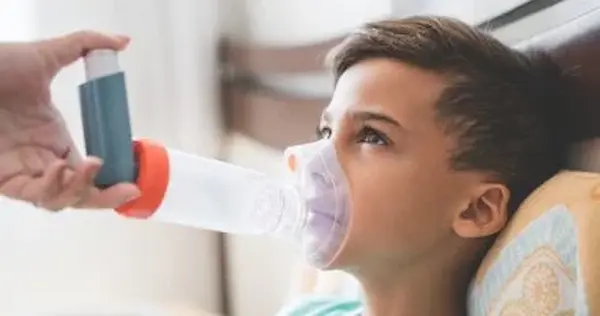
- Use bronchodilator inhalers, especially in cases of asthma, to reduce coughing attacks and shortness of breath.
2. Preparing the surrounding environment
The environment surrounding the child must be prepared by constantly humidifying the surrounding air, especially in the winter, or in dry places, to improve breathing. Also, the child’s position when sleeping or lying down must be comfortable at a 45-degree angle to expand the airway, and stay away from allergy irritants such as dust or animals with thick dander.
3.عمل جلسات البخار
Doctors recommend using steam sessions that contain dilating medications, and are done under medical supervision in cases of severe asthma or bronchitis, with the aim of expanding the airway and treating difficulty breathing in children who suffer from chronic diseases.
4. Monitor the oxygen level
If the child suffers from shortness of breath, the level of oxygen in the blood must be monitored frequently, and if necessary, the child must be given additional oxygen to improve breathing.
5. Treating the main cause
The doctor usually looks for the main cause of the child's difficulty breathing and begins treating it, such as controlling allergies and asthma, removing a foreign body from the throat, or treating esophageal reflux cases.
6. Dealing with emergency situations
In critical cases and the child stops breathing, even if it is temporary, you must immediately go to the nearest emergency hospital so that the child can be treated properly, such as providing support with oxygen or a ventilator if necessary.
When should you go to the doctor?
There are signs that may appear on your child with difficulty breathing, and these are serious signs that require you to visit a doctor immediately, the most important of which are:
- Short-term cessation of breathing or interruption of breathing for a period of time.
- Severe and unusual lethargy appears in the child.
- Sudden rise in temperature.
- Blueness of the lips and paleness of the face.
- Contraction in the chest or abdomen.
- Very rapid breathing.
- A buzzing sound.
Learn about: ما الفرق بين الربو وضيق التنفس؟
The most important tips for dealing with difficulty breathing in children
Learn with us the most important tips for dealing with difficulty breathing in children, provided by pediatricians at Al Mousa Specialist Hospital:
- It is necessary to carefully monitor the child’s vital signs, such as facial color, awareness, and temperature.
- Drink plenty of warm fluids because they help moisturize the respiratory tract and reduce mucus.
- Avoid using any irritating substances such as incense or strong smells, especially with asthma.
- Always keep the child in a comfortable position such as semi-reclining to improve breathing.
- It is forbidden to give the child any medications without consulting the treating physician.
- Maintaining calm around the child and reducing his exposure to stress and anxiety.
- Open the windows and ventilate the room constantly to facilitate breathing.
- Use the steam device after the doctor's approval.
- Go to the emergency room immediately in case of danger.
- Adherence to the doctor’s instructions and follow-up.
Frequently asked questions
Below we answer the most common questions we receive about shortness of breath in children:
When is shortness of breath dangerous?
Shortness of breath becomes dangerous if it occurs suddenly or is accompanied by chest pain, blueness of the face and lips, or the matter progresses to loss of consciousness. In that case, you must immediately go to the nearest emergency department.
Why does the child feel short of breath?
A child may feel short of breath for several reasons, including colds, bronchial asthma, heart disease, or other medical conditions. To find out the accurate diagnosis of the condition and the cause of difficulty breathing, contact the pediatric clinic in Al-Mousa Specialist.
What is the sound of wheezing in children?
The sound of wheezing in children is like the loud whistling sound that is heard when a child breathes, especially during the exhalation process, and it occurs as a result of obstruction in the airways in cases of asthma.
In the pediatric clinic at Al Mousa Specialist Hospital, we have the best medical staff to treat cases of difficulty breathing in children. All you have to do is contact us on the hospital numbers and book an appointment with the doctors to begin the journey of diagnosis and treatment to ensure the safety of your child. We develop multiple treatment plans from the first moment of birth until adulthood.
Sources:
Difficulty breathing or noisy breathing – alderhey
Signs of Respiratory Distress in Children – alderhey
