
Captagon addiction is one of the most serious health and psychological problems facing individuals and societies, as it directly affects the brain and nervous system, causing serious behavioral and mental disorders.
At Al Mousa Specialist Hospital, advanced treatment programs are provided to treat Captagon addiction under the supervision of an elite group of doctors and specialists, with a safe and supportive treatment environment that guarantees the highest rates of success.
What is Captagon?
Captagon is a trade name for fenethylline, a central nervous system stimulant drug that was used in the past to treat conditions such as hyperactivity disorder and depression.
Captagon has been banned in most countries of the world since the 1980s after it was proven that it is dangerous and addictive, but it is still manufactured illegally and smuggled in the form of pills bearing the same name.
- Increased heart rate and blood pressure.
- Insomnia and severe anxiety.
- Mood disorders and hallucinations.
- Severe physical and psychological addiction.
How does Captagon affect the brain and nervous system?
Captagon affects the brain and nervous system directly by increasing the secretion of some neurotransmitters such as dopamine and noradrenaline, which are chemicals responsible for a sense of activity, attention, and good mood.
Its main effects include:
- Excessive stimulation of the nervous system: leading to increased heart rate, high blood pressure, and rapid breathing.
- Nervous stress: With repeated use, the brain depletes its stores of neurotransmitters, causing severe depression and fatigue after the dose has worn off.
- Brain cell damage: Chronic use may cause permanent damage to the nerve cells responsible for thinking, memory and emotional control.
- Brain chemistry disorder: resulting in anxiety, hallucinations, and aggressive or suicidal tendencies.
The difference between Captagon addiction and recreational use
The difference depends on the duration of use, the amount of dose, and its effect on behavior and daily life:
In case of Captagon addiction
Duration: Continuous and regular use for long periods.
Control of abuse: loss of the ability to stop despite desire, with a strong feeling of need for a dose.
Symptoms: physical and psychological dependence, and severe withdrawal symptoms upon stopping.
Impact on life: It causes deterioration in physical and mental health, and disruption of relationships and work.
Risks: permanent brain and nerve damage, and increased possibility of death.
In case of recreational use
Duration: Occurs at frequent intervals or on specific occasions.
Control of use: A person can stop whenever he or she wants (in theory), without an urgent need.
Symptoms: a temporary feeling of energy and activity, then the body returns to its normal state.
Impact on life: Often does not leave a permanent impact if it is very rare (but still dangerous).
Risks: The risk of poisoning or addiction is possible even with minimal use.
Learn about: الانتكاسة بعد العلاج من الادمان أسبابها وطرق التعامل
Reasons for the spread of Captagon
The phenomenon of Captagon abuse is widespread for several intertwined reasons, which combine psychological, social and economic aspects, the most prominent of which are:
- The misconception of increasing activity and concentration: Many users think that Captagon helps them stay up late, study, or work long hours without getting tired, which encourages them to try it.
- Ease of smuggling and illegal manufacturing: Producing Captagon in secret factories and smuggling it through organized networks makes obtaining it easier and cheaper in some areas.
- Psychological and social pressures: Exposure to anxiety, living pressures, or frustration may lead some to search for substances that give them a temporary feeling of comfort or strength.
- Lack of health awareness: Lack of education about the dangers of Captagon and its serious harms leads to underestimating its use.
- The influence of bad companions: Pressure from friends or the surrounding environment may be a direct reason for starting abuse, especially among young people.
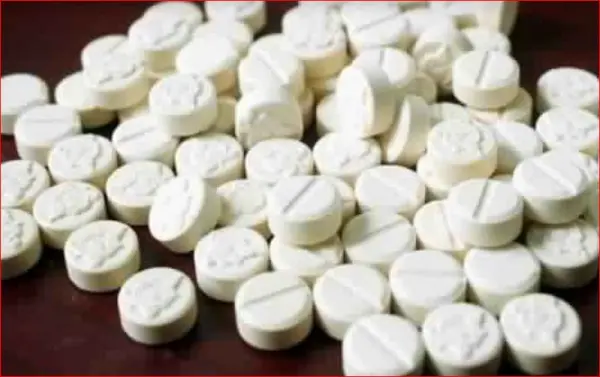
Physical and psychological symptoms of Captagon addiction
First: the physical symptoms of Captagon addiction
- Severe insomnia and sleep disorders.
- Increased heart rate and high blood pressure.
- Anorexia and severe weight loss.
- Dry mouth and muscle cramps.
- Chest pain or difficulty breathing.
- Dilated pupils and trembling of the limbs.
- Severe physical fatigue after the dose wears off.
Second: Psychological and behavioral symptoms of Captagon addiction
- Excessive anxiety and stress.
- Aggression or violent behavior
- Visual or auditory hallucinations.
- Paranoia (pathological suspicion) and feelings of being haunted.
- Severe depression after the end of the effect
- Severe mood swings and loss of emotional control.
- Social withdrawal and decreased performance at work or school.
Health risks of Captagon addiction
Captagon addiction poses a serious danger to physical and psychological health, and its danger increases with the longer duration of use and larger doses. The most notable risks include:
- Damage to the nervous system and brain
Chronic use leads to the destruction of neurons and disruption of brain chemistry, affecting memory, thinking, and behavioral control.
- Cardiovascular diseases
Persistent high blood pressure and rapid heartbeat increase the possibility of heart attacks or strokes.
- Chronic mental disorders
Such as severe depression, persistent anxiety, paranoia, and suicidal tendencies, even after stopping use and treating Captagon addiction.
- Deteriorating general health
Anorexia and malnutrition lead to weak immunity, severe weight loss, and constant fatigue.
- Death
Treatment for Captagon addiction must be accelerated before heart complications or dangerous behaviors resulting from hallucinations, loss of consciousness, or taking an overdose occur.
How to treat Captagon addiction: effective treatment methods
Treating Captagon addiction requires a comprehensive plan that combines medical intervention and psychological and social support to ensure recovery and reduce the chances of relapse. The main stages include:
-
Medical and psychological evaluation
Treatment begins with an accurate diagnosis of the condition by doctors and specialists to determine the degree of addiction, general health condition, and any accompanying disorders.
-
Detoxification (getting rid of the drug)
It takes place in a treatment center under medical supervision, where abuse is stopped gradually or suddenly while withdrawal symptoms are monitored and controlled with appropriate medications.
-
Psychological and behavioral therapy
Psychotherapy is a basic plan for treating Captagon addiction and includes:
- Cognitive behavioral therapy (CBT): To help the patient change thoughts and behaviors associated with addiction.
- Individual and group sessions to support adjustment to life without drugs.
-
Rehabilitation and social support
Programs to reintegrate the patient into society and develop skills for dealing with pressures and temptations.
-
Continuous follow-up and prevention of relapse
These include regular visits to doctors and therapists, family support, and participation in recovery support groups.
Book your consultation now at مركز العلوم العصبیة At Al Mousa Specialist Hospital.
Challenges facing addicts during treatment for Captagon addiction
Among the most prominent challenges that addicts face during the Captagon addiction treatment journey are:
- Severe withdrawal symptoms
Such as severe depression, anxiety, insomnia, and extreme fatigue, which may prompt some to stop treatment and return to using.
- Cravings to use (psychological relapse)
Continuing to feel a psychological need for Captagon even after its physical effects have disappeared.
- Poor family or social support
The absence of an encouraging and supportive environment may make it difficult to adhere to the treatment plan.
- Long-term psychological effects
Such as mood disorders or paranoia, which may require longer treatment periods.
- Pressure from bad companions or previous environment
Returning to contact with people or places associated with drug use may increase the likelihood of relapse.
- الوصمة الاجتماعية
Fear of societal perception or loss of employment may make the addict hesitant to seek or continue treatment.
The role of family and social support in treating Captagon addiction
Family and social support play a pivotal role in the success of Captagon addiction treatment, as it provides the patient with a safe and stimulating environment for recovery, and reduces the chances of relapse.
- Providing an environment free of pressure and temptations: keeping the patient away from places and people associated with abuse, and providing a calm atmosphere that helps him focus on treating Captagon addiction.
- Encouragement and psychological motivation: Words of support and appreciation from family and friends give the patient confidence in his ability to change.
- Participation in the treatment plan: Attending awareness or treatment sessions designated for families to learn how to deal with the addict during recovery.
- Monitoring progress: monitoring the patient’s adherence to treatment appointments and health activities, and alerting him if signs of early relapse appear.
- Material and moral support: Providing the patient’s basic needs, and making him feel that treatment is a shared priority between him, his family, and his community.
Frequently asked questions
How long does a Captagon addict need to recover?
The duration of recovery from Captagon addiction varies depending on the duration of use, the severity of addiction, and the patient’s health and psychological condition, but often:
- Detoxification: 1 to 3 weeks.
- Psychological treatment and rehabilitation: from 3 to 6 months.
- Follow-up to prevent relapse: may extend for a year or more.
In general, the addict needs at least 6 months to treat Captagon addiction and reach relative stability, with support continuing for a longer period to ensure complete recovery.
What happens when you leave Captagon?
Withdrawal symptoms appear when Captagon is left, including:
- During the first two days: fatigue, increased appetite, sleep disturbances.
- The first week: depression, anxiety, bad dreams, poor concentration.
- In the long term: desire to use, persistent anxiety and depression, poor memory.
In conclusion, treating Captagon addiction is a difficult journey, but it is possible with commitment and determination, especially when an integrated treatment program is available that combines medical care and psychological and social support.
