
Description: Discover common types of viral infections such as influenza and Covid-19, and learn the best ways to prevent them. Your comprehensive guide to understanding viruses, boosting immunity, and maintaining your health.
Types of viral infections and how to prevent them
Although viruses are considered microorganisms that cannot be seen with the naked eye, their impact on human health may be very large, from seasonal colds to epidemic diseases such as Covid-19. Viral infections constitute a continuous challenge to public health, and understanding the types of these viruses and how they are transmitted is the first and most important step in confronting them. Follow with us this article as Al Mousa Specialist Hospital sheds light on the most prominent types of common viral infections and how we can protect ourselves and those around us by applying simple and effective preventive practices.
What is a viral infection?
These are diseases that occur as a result of infection of the body with viruses. Viruses are microscopic organisms that cannot reproduce on their own and need to invade healthy body cells and use their biological mechanisms to produce more copies of the virus.
Infection occurs when the virus enters the body and finds host cells suitable for its type. Once inside, the virus multiplies and releases new copies of itself to infect other cells, leading to damage to cells and tissues, resulting in symptoms of the disease.
What are the causes of viral infections?
There are many types of viral infections. The main reasons for their transmission and spread vary and include the following:
- Respiratory droplets, in diseases that affect the respiratory system, when an infected person coughs, sneezes, or even speaks, he releases small droplets containing the virus into the air and they can travel short distances and enter the body of a healthy person through the nose, mouth, or eyes.
- Direct contact, that is, when a healthy person touches an infected person directly by shaking hands, hugging, or kissing, the virus is transmitted from the infected person’s skin or body fluids such as saliva to the healthy person’s body.
- Contaminated surfaces. Some viruses live on inanimate surfaces for several hours or even days. If a healthy person touches the contaminated surface and then touches his face without washing his hands, he may become infected.
- Food and water contaminated with the feces of an infected person and often occurs in places that lack good hygiene and sanitation standards.
- Insect bites, they are vectors or carriers of some viruses, and when an infected insect bites a person, it transmits the virus to his bloodstream.
- Sexual contact: Some viruses are transmitted from one person to another through sexual fluids such as semen or vaginal secretions.
- Contaminated blood, through transfusion of contaminated blood, sharing contaminated needles, or from mother to child during pregnancy or childbirth.
What are the symptoms of viral infection?
Due to the different types of viral infections and the system that the virus infects, the symptoms vary greatly, but there are a group of common general symptoms that can appear in many cases, including:
- Fever and chills;
- Fatigue, exhaustion, feeling very tired, and loss of energy;
- Muscle and joint pain.
- Headache, which may range from mild to severe.
In addition to the general symptoms, other symptoms appear that are specific to the device that the virus attacks and include:
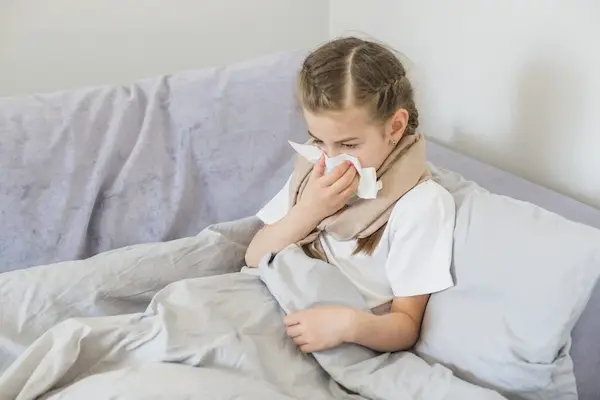
- Respiratory viruses: cough, sore throat, runny or congested nose, and shortness of breath in more serious cases.
- Digestive system viruses, nausea, vomiting, diarrhea, and feeling cramps or pain in the abdominal area.
- Skin and genital viruses, skin rashes and the appearance of red spots, blisters, sores or warts.
- Nervous system viruses, meningitis, encephalitis or paralysis in rare cases.
What are the types of viral infections?
The types of viral infections vary and are divided based on the organ or system they infect in the human body, and include the following:
- Respiratory infection, which is a type of viral infection Common infections infect the nose, throat, airways, and lungs, such as influenza, coronavirus (COVID-19), and respiratory syncytial virus (RSV).
- Gastrointestinal infections: such as Norovirus and Rotavirus, which cause gastroenteritis, as well as hepatitis viruses (A, B, C).
- Hemorrhagic viral infection, characterized by injury to blood vessels leading to damage and increased permeability, causing severe high temperature and internal bleeding, examples of which are Ebola fever, dengue fever, yellow fever, and Hantavirus pulmonary syndrome.
- Skin viral infections, examples of chicken pox, measles and herpes.
- Neuroviral infections, which infect the central nervous system such as the brain and spinal cord, include polio, rabies, and West Nile virus.
- Sexually transmitted viral infections, such as human immunodeficiency virus (HIV), herpes simplex virus, and human papillomavirus (HPV).
Diagnosis of viral infection
The process of diagnosing different types of viral infections is a multi-step process that begins with observing the clinical symptoms and patient history, and ends with performing specialized laboratory tests to confirm the type of virus causing it. The basic steps in diagnosis include the following:
- Initial clinical diagnosis, where the doctor asks the patient about the symptoms and their duration and inquires about the epidemiological history of travel to affected areas, contact with sick people, exposure to animals, or certain seasons.
- Physical examination, looking for signs such as rash, blisters, sore throat or tonsils and examining the patient completely.
- General laboratory tests, complete blood count (CBC) analysis, as the number of lymphocytes increases in many viral infections, and neutrophils decrease or are normal. A decrease in the number of platelets or white blood cells (WBC) may appear in some viruses.
- Blood test for markers of inflammation, C-reactive protein (CRP) as it is slightly or moderately elevated in viral infections.
- PCR (polymerase chain reaction), is the most widely used and reliable test for many viruses as it can detect the genetic material of the virus even in trace amounts in a nasal or throat swab, blood sample, or urine cerebrospinal fluid.
- Antigen tests, to detect specific proteins on the surface of the virus, are faster and cheaper than PCR, but less sensitive.
- Antibody tests, to detect antibodies (IgM, IgG) produced by the immune system to fight the virus to diagnose if a person has had an infection in the past (the presence of IgG) or to diagnose a recent infection (the presence of IgM) at a later stage of the disease.
Learn about: Cutaneous leishmaniasis Everything you need to know about infection and treatment
Treatment of viral infections
The primary treatment for all viral infections is supportive care;
Antibiotics should not be used to treat viral infections, as this contributes to the problem of antibiotic resistance. Always consult a doctor to obtain the appropriate diagnosis and treatment.
In general, steps to treat a viral infection include the following:
-
Supportive care to treat viral infections
It is the primary treatment for most viruses to relieve symptoms and give your immune system time and strength to fight the virus. It includes:
- Rest, sleep and relaxation are very important to direct the body's energy to fight infection.
- Hydrate the body by drinking plenty of fluids, such as water, broth, and natural juices, as dehydration makes symptoms worse and hinders the functioning of the immune system.
- Nutrition: Eat light, easy-to-digest meals, even if you are not hungry try to eat a little.
- Painkillers and antipyretics, such as paracetamol or ibuprofen.
- Cough and congestion medications, to temporarily relieve symptoms, but they do not treat the virus itself.
- Saline nasal wash helps clear nasal passages and relieve congestion.
-
Antiviral medications
These drugs are designed to attack specific viruses. These drugs work by preventing the virus from entering the cell, preventing the virus from multiplying inside the cell, and also preventing new viruses from exiting the infected cell.
Common examples of antiviral medications include:
- Oseltamivir (Tamiflu), Zanamivir, for influenza, is most effective if taken within 48 hours of symptoms starting.
- Acyclovir, Valacyclovir, for herpes such as herpes zoster, genital herpes and chicken pox in severe cases.
- Antiretroviral drugs (ART), to treat human immunodeficiency virus (HIV), which is a combination of drugs that keeps the viral load low and the immune system healthy.
- Direct-acting antivirals, to treat hepatitis C, are almost curative treatments.
- Nirmatrelvir/ritonavir (Paxlovid) Remdesivir, to treat COVID-19, especially for those at risk for complications.
Book your consultation now at مركز الرعاية الأولية At Al Mousa Specialist Hospital.
How to prevent viral infections
Preventing viral infections is the cornerstone of maintaining public and individual health. Prevention depends on following a set of behaviors and habits that prevent the virus from reaching your body, strengthening your body’s immunity to fight the virus if it enters, and adhering to vaccines.
Here are the details of the basic strategies to prevent viral infections:
First: Commitment to personal hygiene
It is the first line of defense to prevent viral infections, and its steps include:
- Wash your hands properly and frequently, with soap and water for at least 20 seconds, before eating, before touching your face, after using the bathroom, after sneezing or coughing, after leaving public places, and after touching shared surfaces.
- Use an alcohol-based hand sanitizer, containing at least 60% alcohol, when soap and water are not available.
- Avoid touching the face, especially the mouth, nose, and eyes, as they are the main gateways for viruses to enter. Try to prevent your hands from touching them unless they are washed.
- Adhere to coughing and sneezing etiquette. Cover your mouth and nose with your elbow or a tissue when coughing or sneezing. Dispose of the used tissue immediately in a closed basket, then wash your hands immediately afterward.
- Regularly clean and disinfect high-touch surfaces, such as doorknobs, light switches, telephones, keyboards, faucets and kitchen counters.
- Use usual household cleaning products or a diluted bleach solution.
Second: A preventive lifestyle
It involves:
- الابتعاد عن الأشخاص المرضى والمحافظة على مسافة متر على الأقل، ويفضل أكثر من أي شخص تظهر عليه أعراض مثل السعال أو العطس.
- Staying home when you are sick is the most important step to prevent spreading the infection to others.
- Avoid crowded, poorly ventilated places, especially during peak seasons of illnesses such as influenza.
- Wear a mask, in crowded indoor spaces or when dealing with a sick person, as the mask reduces the risk of inhaling and spreading droplets carrying the virus.
- Ventilation and opening windows and doors to replenish indoor air to reduce the concentration of viral particles suspended in the air.
- Health awareness and staying up to date on local health recommendations, especially during disease outbreaks.
Third: Strengthening the immune system
A strong immune system is better able to fight viral infections or prevent them from causing severe illness, through the following steps:
- Healthy diet, eat plenty of fruits, vegetables and whole grains rich in vitamins and antioxidants.
- Adequate sleep is 7 to 9 hours for adults to repair cells and regulate the immune response.
- stress management;
- Exercise regularly. Moderate physical activity enhances blood circulation and immune cell function.
- Drink adequate amounts of water to support all body functions, including immunity.
Fourth: Vaccination or special vaccines
It is the most successful way to prevent viral diseases at the community level, as it trains your immune system to recognize a specific virus and fight it without making you sick. It includes:
- Compulsory vaccinations for children, such as measles, mumps, rubella and polio.
- Seasonal vaccinations, such as the annual flu vaccine.
- Vaccinations for older age groups, such as the shingles vaccine.
- Vaccinations for emerging viruses, such as Covid-19 vaccines.
Frequently asked questions
What is the best antiviral?
There is nothing commonly called an antiviral, but there are anti-inflammatories to treat the symptoms, not the virus itself, such as ibuprofen, naproxen, and paracetamol. There are antiviral medications such as Tamiflu and Paxlovid, and we mentioned them at the top of the article in detail.
Which is the most dangerous infection, virus or bacteria?
Both viral and bacterial infections can be minor or life-threatening. Bacterial infections can usually be treated with effective antibiotics, making many of them less dangerous than in the past. However, in our current era, due to the emergence of antibiotic-resistant bacteria, treatment options have become very limited and the infection may be fatal.
As for the majority of viral infections, there is no specific treatment except for specific viruses, and the body depends on the immune system to fight them, and viruses tend to be more capable of causing rapidly spreading global pandemics such as COVID-19 and influenza, because they are highly contagious and people do not have prior immunity against new strains.
Therefore, the danger cannot be judged based on the type of organism alone, virus or bacteria. The real danger lies in:
- The specific type of microbe and its virulence.
- The availability of effective treatment against it.
- The health of the infected person and the strength of his immune system.
- Speedy diagnosis and access to appropriate medical care.
Does bacterial infection go away without an antidote?
Yes, some bacterial infections can go away on their own without the need for antibiotics, in simple cases, including:
- Some minor skin infections, such as an inflamed hair follicle.
- Some cases of bacterial sinusitis.
- Some middle ear infections, especially in older children, may improve on their own.
- Some mild bacterial throat infections.
In conclusion, after we have explained the types of viral infections as a reliable provider of health care, Al Mousa Specialist Hospital recognizes the importance of health awareness in the face of viral diseases. By adhering to basic preventive measures, such as washing hands regularly and obtaining the recommended vaccines, we can all have an effective role in reducing the spread of these diseases. Public health is a shared responsibility, and the steps we take today protect us and protect our society tomorrow, so let us be vigilant and work together to maintain our safety and the safety of our loved ones.
Do not hesitate to contact us on our numbers listed on the website for more details, reservations and inquiries.
Sources
Viral Infection – clevelandclinic
Bacterial and Viral Infections – webmd
