
Iron deficiency is one of the most common health problems, as it affects the body’s energy and the health of the skin, hair, and nails. Its symptoms appear gradually and may be neglected at the beginning, leading to anemia and other complications.

Causes of iron deficiency in the body
Iron deficiency occurs when the body does not get enough of this vital element or loses it in large quantities. The most common reasons are:
- Iron deficiency in the dietRelying on foods poor in iron, such as fast food and low intake of meat, legumes and leafy vegetables.
- Chronic blood lossSuch as cases of bleeding resulting from stomach ulcers, heavy menstruation, or frequent blood donation.
- Poor iron absorption: As a result of some digestive system diseases such as celiac disease or after stomach surgeries.
- Increased the body's need for iron: Such as periods of pregnancy and rapid growth in children and adolescents.
Doctors advise monitoring iron levels regularly, especially in cases most at risk of deficiency, to avoid complications of anemia and weak immunity.
اعراض نقص الحديد في الجسم
Iron deficiency affects the body's vital functions, and its symptoms vary depending on the degree of deficiency, but there are common signs that you should pay attention to, منها:
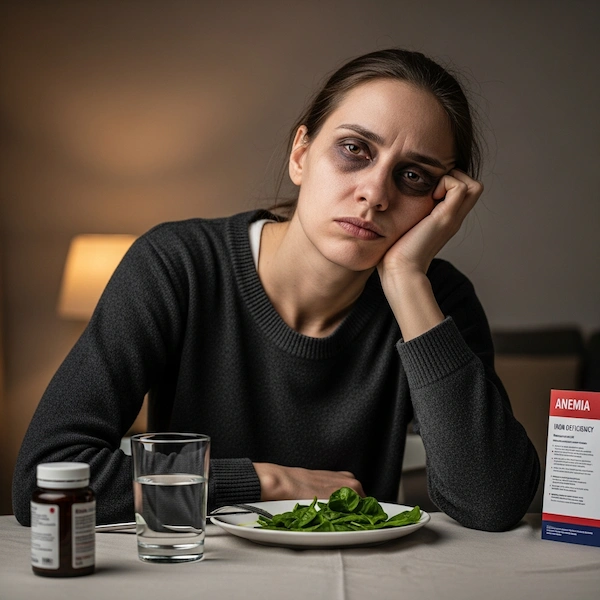
- Constant fatigue and exhaustion: Always feeling tired even after a good sleep.
- Pale skin: Decreased skin color and the appearance of dark circles under the eyes.
- Shortness of breath and rapid heartbeat: Especially when you make a little effort.
- Dizziness and headache: As a result of a lack of oxygen in the brain.
- Coldness and numbness in the extremities: Due to poor blood flow.
- Poor concentration and difficulty paying attention: The effect of iron deficiency on the nervous system.
- Hair loss and brittle nails: Signs of malnutrition of the body with iron.
It is recommended to consult a doctor when these symptoms appear to accurately diagnose the condition and develop an appropriate treatment plan.
Symptoms of iron deficiency in women
Women in particular suffer from iron deficiency due to factors such as menstruation and pregnancy, which makes the symptoms more noticeable and impactful. ومن أبرزها:
- Heavy menstruation, which causes loss of large amounts of blood, increases iron deficiency.
- The feeling of fatigue and general weakness is more severe than in men due to the increased need for iron.
- Hair loss and weak nails result from a lack of vital nutrients.
- Feeling dizzy and dizzy, especially when standing up quickly.
- Shortness of breath and rapid heartbeat when doing physical effort.
- Feeling of constant coldness in the extremities.
- Mood changes and anxiety may be related to iron deficiency and its effect on the nervous system.
- Unusual increased appetite (pickerellosis).
وللمزيد حول: دليل فوائد المغنيسيوم وعلاجه للسكري والتخسيس والخصوبة
Symptoms of iron deficiency in children
Iron deficiency in children greatly affects their physical and mental development. Its most important symptoms are:
- Delayed motor and mental development. Poor development compared to children of the same age.
- Pale skin and gums.
- Poor appetite and lack of desire for food.
- Constant fatigue and laziness.
- Sleep disturbances and difficulty concentrating.
- Repeated infections due to weak immunity resulting from iron deficiency.
- Nervous behavior and excessive irritability.
Doctors recommend monitoring iron levels in children regularly, especially in the stages of rapid growth, to ensure good health and proper development.
Symptoms of iron deficiency in men
Although iron deficiency is less common in men than in women, it has clear symptoms that may affect quality of life. ومن أبرزها:
- Chronic fatigue and exhaustion: a constant feeling of weakness, even with simple activities.
- Weak physical ability and lack of endurance during exercise.
- Dizziness and vertigo, especially when standing up quickly.
- Shortness of breath with slight effort and rapid heartbeat.
- Pale skin and slow wound healing.
- Poor concentration and difficulty in mental performance.
- Mood changes such as depression and anxiety.
Complications of iron deficiency
When iron deficiency is left untreated, it may lead to serious health problems that affect the quality of life. The most important of these complications are:
- فقر الدم (الأنيميا): Low red blood cell count, causing severe fatigue and shortness of breath.
- ضعف جهاز المناعة: Increases the likelihood of recurrent infections and diseases.
- Heart problems: Such as rapid heartbeat or heart enlargement in severe cases.
- Delayed growth in children: Negative impact on physical and mental development.
- Problems with concentration and memory: Effect on daily mental performance.
- Tissue damage: In some chronic cases, tissues may be affected due to lack of oxygen.
Doctors recommend early detection and immediate treatment to avoid these complications and improve quality of life.
How to diagnose iron deficiency
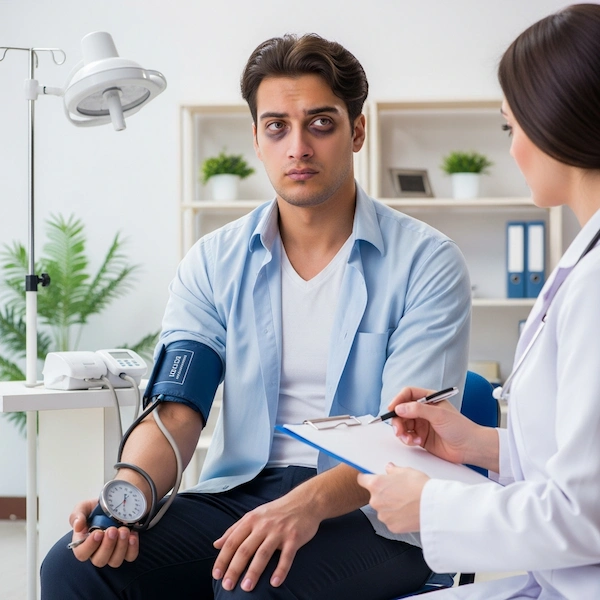
Iron deficiency is diagnosed through a group of laboratory tests that accurately determine the level of iron in the body. Include:
- Complete blood analysis (CBC): To measure hemoglobin levels and red blood cell counts.
- Ferritin level: To evaluate iron stores in the body, which is the most accurate indicator.
- Iron level in the blood (Serum Iron): Shows the amount of iron available in the blood.
- Iron Binding Capacity (TIBC): It measures the blood's ability to carry iron.
- Additional checks: A stool examination may be requested to detect internal bleeding in the digestive system, or examinations of the stomach and intestines, depending on the case.
Al Mousa Hospital experts recommend performing these tests when symptoms of iron deficiency appear or in risky situations to accurately diagnose the condition and develop an appropriate treatment plan.
Methods of treating iron deficiency
Treatment of iron deficiency depends on the severity of the condition and the cause of the deficiency. It includes several basic steps:
- Oral iron supplements: It is widely used to treat iron deficiency, and is usually administered under medical supervision to avoid side effects such as nausea or constipation.
- Diet modification: Increase your intake of iron-rich foods, while enhancing iron absorption by taking vitamin C (such as lemon and orange).
- Treating underlying causes: Such as treating chronic bleeding, or iron absorption disorders in the digestive system.
- Intravenous iron injection: It is used in severe cases or those that do not respond to oral treatment.
- Continuous medical follow-up: To ensure stable iron levels and improve general health condition.
It is not recommended to take any type of iron deficiency supplements or treatments without consulting a specialist doctor to avoid complications and ensure appropriate treatment.
Learn about: Treatment of anemia for children
Iron-rich foods
To help treat and prevent iron deficiency, it is recommended to eat foods rich in this vital mineral. منها:
- Red meat and liver: Rich sources of heme iron, which is easily absorbed by the body.
- Spinach and dark leafy vegetables: It contains beneficial non-heme iron, and it is preferable to take it with sources of vitamin C to enhance absorption.
- Legumes: Such as lentils, beans, and chickpeas, which are excellent plant sources of iron.
- Fortified cereals: Iron is added to some products to compensate for its deficiency.
- Nuts and seeds: Almonds and pumpkin seeds contain good amounts of iron.
- Dried fruits: Such as raisins and dried apricots.
Experts advise including these foods in the daily diet, and avoiding drinking tea and coffee immediately after meals because they reduce iron absorption.
Tips to prevent iron deficiency
To maintain appropriate iron levels and prevent deficiency, It is recommended to follow the following instructions:
- Avoid drinking tea and coffee: Immediately after meals because it contains compounds that hinder the absorption of iron.
- Follow up periodic examinations: Especially for pregnant women, children and teenagers.
- Avoid unnecessary blood loss: Such as avoiding frequent blood donation without medical advice.
متى يجب زيارة الطبيب؟
It is recommended to go to the doctor immediately The following cases:
- Symptoms such as extreme fatigue, shortness of breath, or dizziness persist despite attempts to self-medicate.
- The presence of unexplained bleeding, especially bleeding in the digestive system or heavy menstruation.
- Severe anemia symptoms that affect daily life.
- If you are one of the groups most vulnerable to iron deficiency, such as pregnant women, children, and the elderly, and you notice the beginning of symptoms.
- When there is a need to conduct accurate tests to determine the cause of iron deficiency and develop an appropriate treatment plan.
تقدم Al-Mousa Hospital Specialized medical services for early detection and accurate diagnosis of iron deficiency cases, with integrated treatment follow-up to ensure the best health outcomes.
Discover with us: Tips for taking iron pills, types and benefits
Frequently asked questions
How long does it take to raise iron levels in the body after treatment?
It usually takes 4 to 8 weeks to raise iron levels, and iron stores may need longer to return to normal levels depending on the severity of the deficiency.
Does iron deficiency affect school performance or ability to concentrate?
Yes, iron deficiency may reduce concentration and ability to understand, which affects school performance due to poor access of oxygen to the brain.
Should a ferritin test be performed in addition to an iron test to accurately diagnose the deficiency?
Yes, Ferritin analysis It is important because it shows the iron reserve in the body, while the iron analysis only shows its percentage in the blood.
Can iron deficiency cause you to feel colder than usual?
Yes, a person with iron deficiency may feel cold easily because low hemoglobin reduces the delivery of heat and oxygen to the tissues.
