
Tietze syndrome is a rare inflammatory condition that affects the cartilage of the rib cage, especially where the ribs meet the sternum. It usually appears in the form of acute or chronic pain accompanied by local swelling in the chest area. It is usually not serious, but it causes anxiety for the patient due to sudden pain and sometimes difficulty breathing.
Symptoms of Tietze syndrome
Tietze syndrome may confuse the patient at first, so knowing the nature of these signs helps reassure the patient and direct him towards the correct diagnosis and appropriate treatment. as follows:
Chest pain
- It may start suddenly or gradually.
- It is mild when at rest but becomes more severe when moving or moving the upper body.
- It increases with coughing, sneezing, or exercise.
- It often appears in the front and upper chest, usually on one side.
- The pain may extend to the arm, shoulder, or neck.
Local swelling
- It appears as a small swelling near the upper sternum, often at the second or third rib.
- It looks like a hard mass to the touch.
- It may be accompanied by warmth or changes in skin color (redness or other changes).
- It is a hallmark of the disease and often lasts longer than the pain.

Causes of Tietze syndrome
Although the exact cause of Tietze syndrome is not yet known, researchers believe that there are a group of factors that may contribute to its appearance, Most notable are the following:
- Even minor and repetitive injuries to the chest area can trigger the onset of the syndrome, especially as it accumulates from childhood until adulthood.
- Respiratory infections: Persistent coughing, mucus accumulation, or frequent blockage of the airways may increase the likelihood of infection.
- Exercising or doing strenuous daily activities such as cleaning the house or carpets may worsen the condition.
- Undergoing surgery in the chest area may be a contributing factor in the later appearance of the syndrome.
- The incidence increases between the ages of 15 and 40 years, but it rarely affects children or infants.
- Genetics may play a role in the ribs’ poor tolerance to external or pathological factors, and this increases the chances of injury.
You may mistake angina pain for pain caused by Tietze syndrome, so we present Here are the symptoms of unstable angina and the best treatment methods To make it easier for you to distinguish.
Diagnosis of Tietze syndrome
Chest pain is not always a sign of heart diseaseThere may be other causes behind it, such as Tietze Syndrome. Understanding its nature helps in making the correct diagnosis and gives the patient comfort and reassurance. as follows:
Diagnosis of Tietze Syndrome:
- Symptoms of Tietze syndrome are often similar to other diseases such as heart attack, rheumatoid arthritis or myositis, which makes distinguishing between them more complicated.
- There is no blood test or specific laboratory test that directly detects the syndrome.
- The diagnosis is made in reverse, that is, by ruling out other similar diseases based on symptoms and examinations.
Tests used to rule out other diseases:
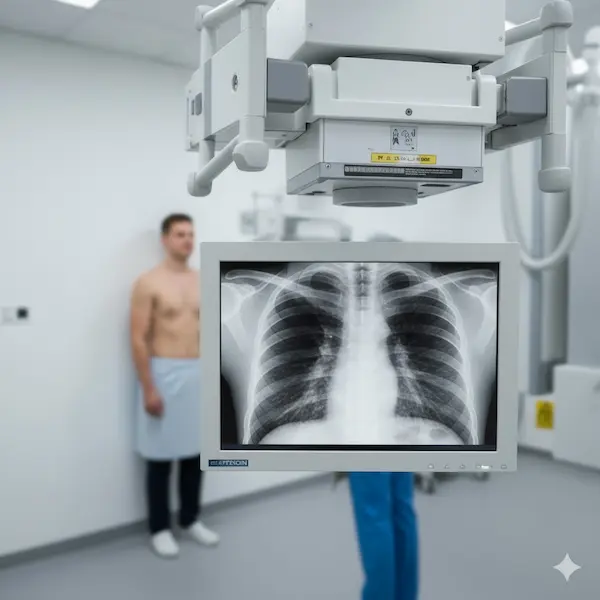
- X-rays.
- الموجات فوق الصوتية (Ultrasound).
- Magnetic resonance imaging (MRI).
- Biopsy.
- Electrocardiogram (ECG).
تعرف علي أفضل أخصائي طب الرئة .. طبيب أمراض صدرية وجهاز تنفسي To accurately diagnose your condition and develop an effective treatment plan while constantly monitoring the results.
Treatment of Tietze syndrome
Methods of treating Tietze syndrome depend on the severity of the symptoms. Observation may be sufficient in simple cases, but more severe cases require medications or medical interventions, and surgery remains a very rare option. as follows:
- If the symptoms are mild and do not affect the patient's daily life, the doctor will suffice with periodic monitoring and physical examination to ensure that the condition is stable.
- When there is pain or swelling, non-steroidal anti-inflammatory medications such as ibuprofen, naproxen or aspirin are prescribed, and in severe cases corticosteroid injections may be used directly into the affected area to relieve pain and swelling.
- If the condition does not respond to drug treatment, the doctor may resort to surgical intervention. However, this option is limited due to the possibility of increased pain after the operation, in Al Mousa Specialist Hospital Such cases are dealt with through an integrated medical team, where treatment begins with accurate diagnosis and exclusion of similar diseases, then developing an appropriate treatment plan for each patient.
Prevention of Tietze syndrome
Since the direct cause of this syndrome is unknown, it is difficult to establish proven prevention methods, but there are some useful health practices that are recommended and reduce risk factors, Among them are the following:
- Try to protect the chest area from any blows or injuries, and your hands can be used as a barrier when exposed to any sudden shock.
- Don't leave Lung and bronchial infections Without treatment, neglecting it may increase complications.
- التدخين It weakens the components of the rib cage and increases the health problems associated with it.
- Avoid strenuous exercise or activities if you feel chest pain at the beginning.
- Avoid inhaling chemicals, and use a mask when necessary, as its harmful effects are similar to smoking.
Learn more about: Services provided through doctors Respiratory clinic At Al-Mousa Health Hospital.
Frequently asked questions
Can Tietze syndrome come and go?
Yes, the symptoms of Tietze syndrome may be intermittent and not permanent. Chest pain may appear suddenly and then gradually ease or disappear completely, and it may return again at intervals. The pain often increases with movement or coughing, and in some cases the symptoms disappear without treatment, while in other cases you need medical follow-up to ensure the condition stabilizes.
Is Tietze syndrome a hereditary disease?
No, Tietze Syndrome is not a hereditary disease. It is a rare inflammatory condition that affects the chest cartilage. Its causes are believed to be related to repetitive trauma, respiratory infections, or physical stress, and is not caused by a genetic defect that runs in the family.
Can Tietze syndrome cause breast pain?
Yes, Tietze syndrome may cause pain in the breast area, because the pain and swelling usually appear in the cartilage that connects the ribs to the sternum, a location very close to the breast, making the patient feel as if the pain is coming from the breast itself.
Tietze Syndrome is a rare condition that may cause pain and swelling in the chest area. It often confuses the patient because its symptoms are similar to heart or lung diseases, and because dealing with this syndrome requires precise medical experience, you can Contacting Al Mousa Specialist Hospital There is an integrated medical team that provides the appropriate diagnosis and treatment for each case, with continuous follow-up to ensure the patient’s comfort and improve his quality of life.