
Anal fistula is one of the common problems that affect many people, especially men, for many different reasons, the most important of which is the development of anal abscess, which leads to feeling a state of severe pain, redness, and the inability to lead a normal life, which requires resorting to surgical intervention. We will tell you more about anal fistula, what are its causes, symptoms, diagnostic methods, and other information of interest provided by Al-Mousa Hospital.
What is anal fistula?
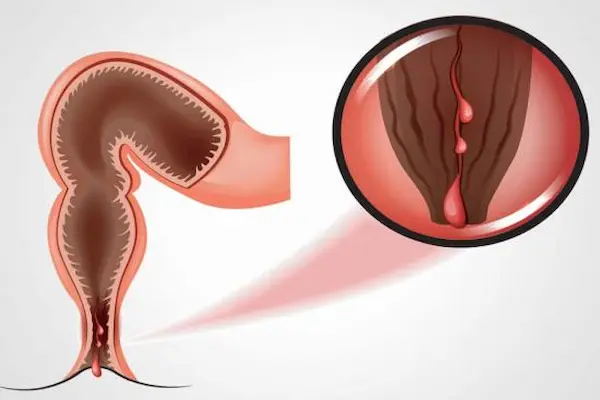
Anal fistula is an abnormal passage that develops from inside the anus to outside the skin and usually appears in the upper part of it where the anal glands are located. If these glands are infected with microbes and infection, they drain into a fistula and it is called a perianal abscess. It is among the relatively common conditions and affects males twice as often as females.
Causes of anal fistula
Fistulas can appear anywhere in the body, whether between different organs or between an organ and an opening in the skin, which occurs as a result of tissue inflammation for a long period of time, which leads to inflammation in neighboring tissues, but the most common is an anal fistula (abscess around the anus). Among the other causes that lead to its infection are the following:
- Tuberculosis, which directly affects the anus.
- Infection with some sexually transmitted diseases that are transmitted through the anus.
- The presence of inflammatory bowel diseases, including Crohn's disease.
- Exposure to radiation therapy, especially after cancer in the pelvic area.
- Hidradenitis suppurativa is one of the chronic inflammatory skin diseases.
- Actinomycosis is one of the rare types of bacterial infections that causes abscesses in the anal area.
Symptoms of anal fistula
There are many common symptoms that affect humans as a result of anal fistula, including the following:
- Suffering from severe anal pain, which is pulsating and severe, and is felt more frequently when defecating and sitting.
- Severe inflammation in and around the anus.
- Feeling that the buttocks are sensitive to touch, in addition to redness, and this means that there is an active infection under the skin, i.e. cellulitis.
- Drainage of fluids from somewhere around the anus, such as pus and blood, and in some advanced cases, stool with a foul odor may come out.
- Severe pain when urinating.
- Fever and difficulty holding in stool, but these symptoms are less common than the previous symptoms.
Read also: Urinary tract infection Symptoms, causes and how to diagnose
Methods of diagnosing anal fistula
It is easy for health care providers to diagnose anal fistula, and we at Al Mousa Hospital have the best doctors specialized in this field. The initial diagnosis is usually made through a clinical examination, but in the event that the external opening is closed, here more tests are performed to find the internal opening of the fistula in the anus. This requires anesthesia of the patient if the pain is severe and unbearable, as in some cases the patient is unable to have the doctor touch the anus or open it in order to examine the internal part.
The doctor may sometimes use an endoscope, such as an anoscope or proctoscope, in order to determine the source of the infection, and sometimes he injects the patient with “hydrogen peroxide” into the external orifice in order to determine the source of the infection, as this substance interacts with the bacteria and some bubbles appear in its place.
There are also some other tests that the health care provider may request, including:
- Imaging through magnetic resonance imaging.
- Endoscopic ultrasound is an alternative to MRI.
- Imaging the fistula through X-ray after injecting dye into it to highlight the path of the fistula.
The difference between anal fistula and hemorrhoids
Anal fistula and hemorrhoids are two completely different conditions that affect the anal area, and differ in nature, symptoms, and treatment. Below we mention the difference between them in detail:
التعريف
- Anal fistula: It is an abnormal channel that connects the anal canal or rectum and the skin surrounding the anus, and often appears after an untreated anal abscess.
- hemorrhoids: It is a bulge and swelling of the blood vessels around the anus or inside the lower rectum and can be internal or external.
Reasons
- Causes of anal fistula:
- As a result of infections or abscesses in the anal glands.
- It may be related to diseases such as Crohn's disease or chronic skin infections.
- Causes of hemorrhoids:
- Increased pressure on the anal veins.
- Chronic constipation or diarrhea.
- Sitting for long periods.
- الحمل.
الأعراض
- Symptoms of anal fistula:
- Persistent pain around the anus.
- Purulent discharge from the anus.
- Constant itching.
- Light bleeding is possible but not common.
- Symptoms of hemorrhoids:
- Bleeding during defecation (the most common symptom).
- Pain or itching around the anus.
- The presence of a painful mass in external hemorrhoids.
- It is not usually accompanied by purulent discharge.
How is the diagnosis made?
- Diagnosis of anal fistula:
- It is done through a direct medical examination.
- Anoscopy or MRI may be used to determine the direction of the fistula tract.
- Diagnosis of hemorrhoids:
- It is often based on a simple clinical examination.
- In some cases, an anoscope or rectoscope is used to evaluate internal hemorrhoids.
Treatment methods
- Anal fistula treatment:
- Surgical intervention is required to remove the fistula tract.
- إذا كان هناك خراج مصاحب فقد يعطى مضادات حيوية مع العلاج الجراحي.
- Hemorrhoids treatment:
- Lifestyle modification.
- Increase your fiber intake and drink enough water.
- Using topical medications such as creams or suppositories.
- Non-surgical medical procedures such as hemorrhoid ligation or photocoagulation.
- Surgery in severe or recurrent cases.
The basic difference between them:
- The presence of “purulent discharge” is a strong indicator of anal fistula.
- As for “bleeding during defecation” without pus, it is strong evidence of the presence of hemorrhoids.
Book your consultation now at قسم المسالك البولیة At Al Mousa Specialist Hospital.
How to treat anal fistula
Anal fistula is a condition that requires effective medical treatment, and in most cases it requires surgical intervention to achieve complete recovery. Here are the main methods used in treatment:
Surgical treatment (the most common and effective method)
- Fistula duct excision: A small incision is made to remove the fistula duct and drain the accumulated pus, which helps heal the wound and prevent recurrence.
- Use of laser: A modern technology that relies on inserting a laser probe into the fistula canal to cauterize its inner wall, without the need for a large incision.
- Use of a rubber thread (Seton Thread): A rubber thread is placed inside the fistula duct to constantly open it and facilitate the drainage of pus. It is used in complex cases or before major surgery.
- Preserving the sphincter muscles: Operations are performed with extreme caution to avoid damage that may lead to fecal incontinence, and this is done under the supervision of specialists in colorectal surgery.
Non-surgical treatment (to relieve symptoms only)
Although these methods do not completely cure the fistula, they help relieve symptoms and reduce discomfort, and are as follows:
- Sitz Bath: Sitting in warm water several times a day reduces pain and swelling, and helps clean the affected area.
- Antibiotics: They may be prescribed to reduce inflammation and control temporary infection, but they do not treat the fistula tract itself.
- Immunosuppressive medications: such as “infliximab,” which are used especially in patients with Crohn’s disease associated with fistulas to help the body heal the tissue.
Modern medical interventions
- Biological seal: Adhesive or foam materials are injected into the fistula tract to block it, but the cure rates are lower compared to surgery.
- Stem cells: It is still under research, but it represents a promising future option for treating fistula without resorting to traditional surgery.
The most important tips for living with anal fistula
If you suffer from anal fistula, following a healthy lifestyle and a set of daily habits can help you relieve symptoms and reduce discomfort, especially before or during the treatment period. Below we mention the most important tips:
- Maintaining the cleanliness of the anal area: Gently clean the anus after each defecation using warm water, and take a warm sitz bath for 10-15 minutes daily to disinfect the wound and relieve pain and swelling.
- Follow a healthy diet: Focus on eating foods rich in fiber, such as fruits, vegetables, and whole grains, while drinking a sufficient amount of water (6-8 cups per day) to maintain soft and organized stools, which reduces pressure on the anus.
- Use medications according to medical instructions: Take antibiotics or painkillers prescribed by your doctor when there is inflammation or pain, and use mild laxatives if necessary, but only after consulting your doctor to avoid diarrhea or constipation.
- Do light exercise: Walking or relaxation exercises help improve bowel movement and reduce the risk of constipation. Avoid standing or sitting for long periods, as they increase pressure on the anal area.
- Avoid strenuous physical effort: Do not lift heavy weights or any activity that requires pushing or great effort because this may lead to worsening of the condition.
- Paying attention to post-surgical care: If you undergo an operation to remove a fistula, carefully follow the doctor’s instructions regarding cleaning the wound and preventing infection, and avoid bathing or excessive wetness of the wound in the first days, while sleeping on the side to reduce pressure on the operation site and relieve pain.
- Regular medical follow-up: You should see a doctor periodically to monitor the development of the condition and determine whether there is a need for a surgical procedure or additional treatment.
Learn about: Symptoms of urinary tract infection in women And effective treatment methods
Complications of anal fistula
If an anal fistula is not treated in a timely manner, it may lead to a number of serious complications that affect life, the most important of which are the following:
- Recurrence of abscesses: The fistula tract may cause pus to accumulate again after it drains, leading to swelling and increased pain and swelling around the anus.
- Spread of infection: The infection can spread to the tissues surrounding the anus and may reach the deeper layers of the skin or even the subcutaneous tissue, leading to serious infections such as necrotizing inflammation, which is a medical emergency.
- Formation of a complex fistula: The fistula may develop to include multiple channels or extend deep into the anal sphincter muscles, which makes treatment more complicated and requires complex surgical intervention.
- Fecal incontinence: If the anal sphincter muscles are injured during the development of a fistula or during its surgical removal, poor bowel movement control may occur, leading to involuntary leakage of stool.
- Delay in healing after surgery: In some complex cases, especially when there are underlying diseases such as Crohn’s disease or diabetes, there may be a delay in wound healing after the operation or the occurrence of a recurrence of the fistula.
- Psychological and social impact: Constant pain and unwanted secretions may lead to psychological anxiety, social discomfort, and a negative impact on daily life, especially if they continue for long periods without treatment.
- Fibrosis or narrowing of the anal canal: In rare cases, recurrent inflammation may lead to the formation of scar tissue that leads to narrowing of the anal canal, which impedes bowel movement.
Frequently asked questions
Can a fistula heal on its own?
A fistula cannot be healed alone, and the treating doctor often advises you to resort to surgery, as it is the best solution to get rid of it. However, you should go to the doctor in order to determine the appropriate method for you, as leaving it untreated leads to many complications and health risks.
How do I get rid of fistula permanently?
The appropriate treatment method for the fistula is determined according to the severity of the condition, including prescribing antibiotics, working to drain the pus from the cyst if there is an abscess, removing the hair that grows into the hole, or injecting phenol. In advanced cases, surgery is resorted to, which is the most common.
Can a fistula be left without treatment?
Anal fistula cannot be left untreated as it is one of the chronic problems, which usually requires surgery in order to eliminate it permanently.
Anal fistula is the most common type of fistula, affecting a significant percentage of people, especially among men. However, it requires urgent care and diagnosis before complications occur. Within Al Mousa Hospital, we have a distinguished team that includes the best specialized doctors, as well as the best surgical rooms and laser devices to ensure its final elimination.
Sources
Anal Fistula – clevelandclinic
Anal fistula – nhs
