
A few nutritional supplements have received great spread and scientific interest, including creatine. It is not just a white powder that is added to a drink before exercise, but it is an effective source of energy that enhances athletic performance. It also supports muscle growth and contributes to helping the body recover quickly. In addition, its benefits are not limited to athletes only, but extend to improving brain functions and increasing the ability to concentrate. In the following lines with Al-Mousa Specialist Hospital, we will review together the most prominent benefits of creatine supported by research, and how it can be an essential element for a successful journey toward...
What are the benefits of creatine?
Creatine is a natural compound that helps cells, especially muscle cells, produce the rapid energy needed for high-intensity exercise. As one of the most studied and reputable supplements, there are many different benefits of creatine, including:
- Improved performance in short and intense periods of effort and the ability to produce faster power.
- Speed up recovery between sets and training sessions.
- Supporting mental performance capabilities in cases where brain energy is lacking such as fatigue or stress.
- Help increase muscle size indirectly by increasing training capacity.
Benefits of creatine for men
For men, the benefits of creatine are particularly prominent in improving aspects of performance and absolute physical ability:
- Increased maximum strength and performance in explosive activities such as weightlifting and jumping, which translates to higher strength training numbers.
- Improved ability to perform more sets and higher repetitions during intense training sessions, thus increasing overall training volume.
- Supporting the building of lean muscle mass as a result of increased training load and muscle stimulation, which leads to greater gains in strength and muscle weight.
Some limited research indicates a possible positive effect on semen quality in men who have weak semen conditions, but this point requires more confirmed studies, and therefore its results are preliminary and a specialist must be consulted.
Benefits of creatine for women
Women benefit from creatine in complementary and important ways, and some of the benefits differ from the traditional focus on strength only. Below are the most prominent benefits of creatine for women:
- Supporting bone health and preventing the loss of muscle mass with age, which is very important, especially for women in menopause and beyond.
- Improving strength and the ability to perform resistance exercises, which contributes to improving body shape and increasing muscle density proportionately.
- Help reduce mental and physical fatigue during periods of burnout or multitasking, enhancing daily performance and focus.
- Compared to men, some women have concerns about water retention. In fact, most women notice improved muscle tone with little change in overall weight if creatine is used appropriately. It is worth noting that pregnancy or lactation necessitates consulting a physician before using any supplement.
Learn about: Types of nutritional supplements for men and children and their benefits
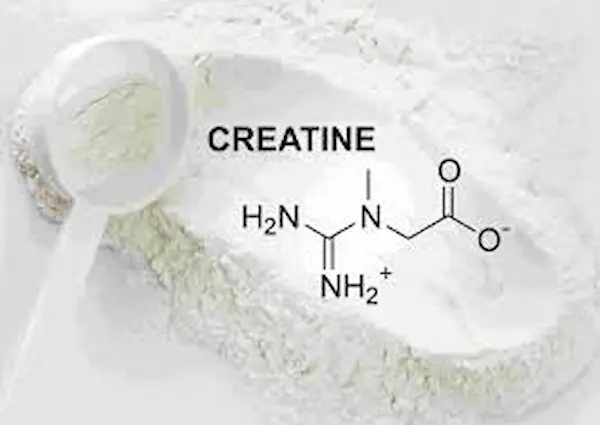
Benefits of creatine for muscles
To learn about the benefits of creatine for muscles, here we focus on how creatine directly affects muscle tissue:
- Increased phosphocreatine reserves within the muscle, which allows ATP to be rapidly reproduced during short and intense efforts, and this explains the immediate energy rush.
- Improving muscle response to training by increasing the ability to perform additional sets and more repetitions, creating a stronger stimulus for muscle fiber growth.
- Cell volumization through the absorption of water within muscle fibers creates a cellular state that encourages protein synthesis, which is a contributing factor to muscle hypertrophy.
- Reduce muscle damage and inflammation after exercise, help speed up muscle tissue recovery and reduce delayed exercise soreness.
- Supports glycogen storage when used concomitantly with carbohydrates, improving muscle endurance in successive sessions.
Benefits of creatine for bodybuilding
For those interested in building the body systematically, creatine provides clear practical and executive benefits that characterize training progress, and the benefits of creatine here are as follows:
- Allows you to lift larger loads or perform additional repetitions, accelerating the achievement of progressive loading principles necessary for muscle growth.
- Improving the shape of the muscle is known as muscle fullness, which enhances the visual appearance that bodybuilding fans are looking for.
- Increased trainability with longer repetitions and time between sessions, making it easier to achieve greater training volume without excessive fatigue.
- It has a positive effect on type II fibers, which tend to respond more strongly to explosive training, making creatine a preferred supplement for athletes looking to bulk up these fibers.
- When taken with a proper, protein-rich diet, faster muscle gains are more likely.
Where is natural creatine found?
Creatine is naturally present in our bodies and is mainly produced in the liver, kidneys and pancreas, then stored in the muscles for use as a quick source of energy. As for its food sources, it is abundant in foods rich in animal protein such as red meat, chicken, fish, especially salmon, tuna and herring. Therefore, we find that people who follow a vegetarian diet often have lower levels of creatine than others, due to the lack of its plant sources.
In the body
- The liver, kidneys, and pancreas are the main organs that manufacture creatine from amino acids such as arginine, glycine, and methionine.
- After manufacturing, about 95% of creatine is stored in the muscles, especially skeletal muscles, and the rest is in the brain, heart, and other organs.
In food
- Creatine is found naturally in red meat such as beef and lamb.
- It is also found in fish such as salmon, tuna, and herring.
- Small amounts of it can be found in chicken and some other animal foods.
- Plant foods are almost devoid of creatine, so vegans often have lower levels in their bodies than others.
Approximate amount in food
- 1 kg of beef or salmon contains approximately 4 to 5 grams of creatine.
- Because the body usually needs about 3 to 5 grams per day to maintain reserves, it is difficult to rely solely on food, especially for athletes, which is why many resort to supplements.
What foods raise creatine?
Foods that raise creatine in the body are mainly animal foods that are naturally rich in it, because they contain creatine or the amino acids necessary for its manufacture. Here are the most important of them:
1. Red meat
- Such as beef, lamb, and veal.
- It is one of the richest sources of creatine, as every 100 grams of red meat contains about 0.5 to 1 gram of creatine.
2. Fish
- Salmon, tuna, herring, and cod are excellent sources.
- Every 100 grams of salmon, for example, contains about 0.9 grams of creatine.
3. Chicken and turkey
- They contain good amounts, but less than red meat.
- Suitable as a balanced protein option with a moderate percentage of creatine.
4. Dairy products and eggs (to a lesser extent)
- It does not contain much direct creatine.
- But it is rich in amino acids such as arginine and methionine that help the body produce creatine internally.
5. Foods rich in animal protein in general
- Any animal protein source helps support creatine levels because it provides the body with the raw materials needed to manufacture it.
Does creatine interact with other medications or supplements?
Creatine may interact with some medications or other nutritional supplements, so it is important to know about it to avoid any unwanted side effects. Here are the most prominent of them:
- Diuretic medications may increase the risk of dehydration or kidney problems if used with creatine, because both affect fluid balance in the body.
- Kidney or liver medications, such as some antibiotics (aminoglycosides such as gentamicin) or antifungal medications, and combining these medications with creatine may increase pressure on the kidneys.
- Caffeine in large quantities: Although it is not a drug, high doses of caffeine with creatine may reduce the effectiveness of creatine, and some studies have indicated the possibility of increasing the risk of cramps or dehydration.
- Other high-protein supplements: Protein itself does not interact with creatine, but excessive consumption of protein + creatine may increase the burden on the kidneys, especially in people who have pre-existing problems.
- Nonsteroidal anti-inflammatory drugs (NSAIDs) such as ibuprofen or naproxen, when used for long periods of time with creatine may add additional burden on the kidneys.
- When using other supplements such as creatine + beta-alanine, there is no negative interaction. Rather, they are often used together to improve performance, and when using creatine + caffeine (in moderation), it may be safe if used in moderate doses.
When does creatine take effect in the body?
After learning about the benefits of creatine, let us shed light on when does it take effect in the body?
Frequently asked questions
What happens to your body when you take creatine?
When you take creatine, your body stores it in the muscles in the form of phosphocreatine, which is a quick energy source that helps reproduce the ATP molecules responsible for providing you with energy during intense exercises. This means that you will feel more able to perform high-intensity exercises for longer periods while reducing the feeling of fatigue. Creatine also draws water into the muscle cells, giving them greater volume and helping to promote the growth of muscle mass over time. In addition, it may support brain functions and help improve concentration, especially during mental or sports activities that require energy.
How much water should you drink with creatine?
When taking creatine, it is recommended to drink a sufficient amount of water, ranging between 3 to 4 liters per day, because creatine pulls water into the muscles, which may increase the body’s need for hydration. If fluids are not adequately replaced, the risk of dehydration or muscle spasm may increase. Drinking adequate water also helps improve the absorption of creatine, support kidney function, and maintain balanced athletic performance and health during the period of use.
What is the best time to take creatine?
The best time to take creatine depends on your goal and exercise regimen, but most studies indicate that taking it immediately after exercise with a meal containing carbohydrates and protein may be the most effective, because it helps to absorb it better and support muscle recovery. However, it can also be taken before exercise or at any fixed time of the day. What is important is daily continuity to keep creatine stores full in the muscles.
If you are looking to enhance your athletic performance and increase your muscle strength safely, then creatine is an ideal option that gives you the energy and endurance needed to achieve your goals. Do not leave your health to experiment. Consult the experts at Al Mousa Specialist Hospital, where you will get the correct medical guidance about the benefits of creatine and how to use it in a way that suits your health condition and lifestyle. Do not hesitate and book now and start your journey towards better fitness with the support of specialists who put your safety first.
المصادر:
Health and Performance Benefits of Creatine – healthline
Creatine – clevelandclinic
