
Do you want to know the difference between eczema and psoriasis?
What is the difference between eczema and psoriasis?
Have you ever had the question, “Is eczema the same as psoriasis?”
What is psoriasis and its cause?
Psoriasis It is an autoimmune disease, in which the body's immune cells mistakenly attack healthy skin cells, and this prompts the patient's immune system to produce skin cells faster to defend itself, which leads to an overproduction of skin cells, and this leads to the formation of plaques.
What is eczema and its cause?
Eczema is a chronic, inflammatory skin condition that causes itchy, dry, and red skin. The exact cause of eczema is unknown, but genetic, environmental, and immune system factors may play a role in the development of the condition.
Types of eczema
There are seven different types of eczema:
- Atopic dermatitisIt is a common form of eczema that causes inflammation, dryness, and itching of the skin. Although it is common in young children, it can occur at any age.
- Contact dermatitis: Also called allergic contact dermatitis, it is caused by environmental triggers.
- Sweaty eczema: This type of eczema makes the skin dry and can cause blisters on the hands and feet.
- Neurodermatitis: This type of eczema affects small patches of skin, making them itchy and scaly.
- Developmental eczemaThis type of eczema causes small, round spots all over the body, but especially on the arms and legs.
- Seborrheic dermatitisIt is an inflammatory form of eczema that affects the scalp, eyebrows, or area behind the ears.
- Stasis dermatitisThis type of eczema appears on the legs when there is a problem with the veins in the lower legs.
It is possible for you to develop more than one type of eczema in your body at the same time, and each type of eczema has its own set of triggers and treatment requirements, so it is very important to consult a specialist doctor to determine the type you are suffering from and determine the appropriate treatment method to prevent its exacerbation.
Types of psoriasis
Here are the 3 most common types of psoriasis:
- Cortical psoriasis: This is the most common type, as it represents about 80% of psoriasis cases, and causes the appearance of swollen red spots covered with inflamed white or silvery scales on the skin, and usually appears on the elbows, knees, scalp, and lower back.
- Guttate psoriasis: This type often begins in children or young adults, and constitutes about 8% of psoriasis cases. Guttate psoriasis causes small pink-red spots on the skin, which appear on the trunk, legs, and arms.
- Inverse psoriasis: This psoriasis causes skin inflammation, shine, and redness, and appears in areas under the armpits, breasts, in the groin, or around skin folds in the genitals.
What is the difference between eczema and psoriasis in terms of symptoms?
Eczema can cause...Psoriasis The skin is dry, flaky, and itchy and may also be painful at times. However, there are some key differences, including:
- Psoriasis usually causes thick, raised skin plaques with white scales that feature raised edges. Psoriasis symptoms can also affect the nails, eyes, and joints.
- Eczema is more likely to cause:
- Dry skin rash.
- Small red bumps.
- Blisters, bumps, or a rash that peels.
- The itching caused by both conditions can also vary as well, as eczema can cause intense itching that may get worse at night, whereas with psoriasis you can feel a burning or stinging sensation rather than intense itching.
Where do the symptoms of eczema and psoriasis appear?
The difference between eczema and psoriasis can also include where both conditions occur. Both conditions can affect any part of the body, but eczema tends to develop in the folds of the skin, while psoriasis usually develops on the outer surface of the skin, so eczema and psoriasis are more likely to affect the following parts of the body:
Areas of eczema outbreak
Eczema tends to appear on the hands, the inner part of the elbows, the back of the knees, the scalp, or the face.
Areas of psoriasis spread
In most cases, psoriasis spreads to the scalp, knees, lower back, nails, elbows, or eyelids.
If you have symptoms, book your consultation now at Dermatology and beauty center At Almoosa Specialist Hospital
At what age can symptoms appear?
People can develop eczema or psoriasis at any age, but psoriasis symptoms often appear between the ages of 15 and 35. While eczema symptoms usually appear earlier in infants and children, eczema is also more common in children than psoriasis.
According to the American Academy of Dermatology, only approximately 1% of children have psoriasis, which is a rare condition among children. Psoriasis usually lasts throughout a person's life.
Unlike eczema, children with eczema may notice that their symptoms decrease or disappear as they get older.
Are there triggers for the appearance of psoriasis and eczema?
Exposure to certain triggers can cause psoriasis or eczema symptoms to worsen or reappear. Triggers vary from person to person, but there are a group of common triggers that can affect both conditions, including:
Common triggers of psoriasis and eczema
There are a variety of triggers that can cause symptoms of psoriasis or eczema to worsen, such as:
- Stress.
- Infection.
- Skin injuries.
- Some medications.
Eczema can also be caused by exposure to certain other triggers, including:
- Products that irritate the skin, such as soap, detergents, disinfectants, etc.
- Environmental factors such as dry weather, humidity and temperature changes.
What health conditions are associated with psoriasis and eczema?
Having eczema or psoriasis makes the patient more susceptible to developing various health conditions, such as:
Psoriasis
A psoriasis patient can suffer from the following health conditions:
- Psoriatic arthritis (causes pain, stiffness and swelling in and around joints).
- Obesity.
- Type 2 diabetes.
- High blood pressure.
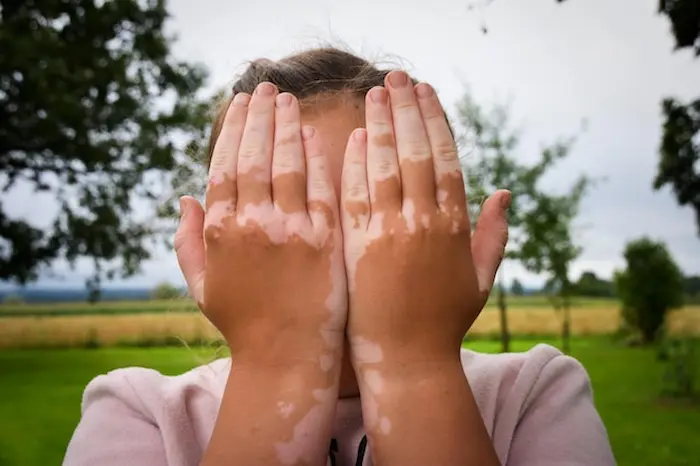
- Temporary changes in skin color where the plaques have healed.
- Conjunctivitis and blepharitis.
- Cardiovascular diseases.
- Other autoimmune diseases such as Crohn's disease.
- Mental health disorders, such as low self-esteem and depression.
Eczema
An eczema patient may also suffer from some other health conditions, such as:
- asthma.
- hay fever.
- Allergic rhinitis.
- Food allergy.
- Infections.
- Mental health disorders, such as depression and anxiety.
What is the difference between eczema and psoriasis in the treatment method?
There is no definitive cure for eczema or psoriasis, but prescribed treatment can help relieve symptoms and prevent them from getting worse. The appropriate treatment plan also depends on the condition, its severity, and the symptoms that appear with it. Some common treatment options include the following:
Psoriasis treatment
Can include Common treatments for psoriasis the following:
- Topical medications, such as corticosteroids, retinoids, or vitamin D.
- Medical shampoo.
- Coal tar or aloe vera gel.
- Some oral or injectable medications.
- Phototherapy.
Eczema treatment
It may also include Eczema treatments Common include:
- Topical medications, such as hydrocortisone creams.
- Non-steroidal anti-inflammatory creams.
- Over-the-counter treatments, such as lotions, moisturizers, and Vaseline.
- Oral or injectable medications.
- Phototherapy
How to prevent psoriasis and eczema
There is no specific way to prevent eczema or psoriasis, but there are some things you can do to reduce the chances of it getting worse, including:
- Avoid known triggers, such as stress, skin injuries, dry skin, and exposure to dry weather.
- Keep the skin moisturized using moisturizing lotions or creams.
- Use mild soap and detergents.
- Avoid excessive exposure to sunlight.
FAQs
Can you get psoriasis and eczema at the same time?
Yes, it is possible to have eczema and psoriasis at the same time. The two conditions do not affect each other, and some people can also suffer from both conditions.
Can psoriasis and eczema be treated in the same way?
Some medications used to treat psoriasis can be used to treat eczema and vice versa, but this does not mean that there is one effective method for treating both conditions. Your treating physician will determine the best treatment method suitable for you according to the condition and severity of symptoms.
In conclusion, many patients do not know the difference between eczema and psoriasis and often confuse them. Eczema and psoriasis are two different conditions that both involve chronic inflammation of the skin, which can lead to itching, redness and flaking of the skin. If you think you have eczema or psoriasis,You can visit us at Almoosa Specialist Hospital To obtain an accurate diagnosis and appropriate treatment plan.
Sources and references
Psoriasis vs. Eczema – webmd
Is it Eczema or Psoriasis – nationaleczema