
Dry eyes are one of the most prominent health problems that affect visual comfort and clarity of vision, especially in light of the fast pace of life and the many environmental factors surrounding us.
Al Mousa Specialist Hospital is one of the leading centers in this field, as it offers the latest therapeutic methods under the supervision of an elite group of doctors specializing in ophthalmology and surgery.
What is dry eye and its common causes?
Dry eyes are defined as a disorder in the tear film, which is responsible for moisturizing and protecting the surface of the eye.
When a defect occurs in this system, whether by a decrease in the quantity of tears or a change in their quality, symptoms begin to appear, including a tingling and burning sensation or a sensation of the presence of a foreign body inside the eye.
Common causes of dry eyes
The reasons can be divided into several main axes:
-
Decreased tear production
It occurs when the tear glands fail to secrete enough moisture to moisturize the eyes, and this may be a result of aging, or some chronic diseases such as diabetes and Sjögren's syndrome.
-
Tears evaporate quickly
In some cases, the eye produces normal tears, but these tears evaporate quickly due to a defect in the sebaceous glands located at the edge of the eyelid (meibomian glands) or due to environmental factors such as wind and dry weather.
-
Poor quality of tears
The eye may produce tears in sufficient quantities, but they lack the correct balance of the three components (water, fat, mucus), making them ineffective in moisturizing and protecting.
-
Wear contact lenses
Prolonged use of lenses may alter the distribution of tears on the surface of the eye and increase evaporation, which is a common cause especially among women.
-
pharmaceutical
Some drugs directly affect the tear glands or the balance of body fluids and tear secretion, such as:
- Antidepressants.
- Allergy medications (antihistamines).
- Some high blood pressure medications and diuretics.
- Acne medications (such as isotretinoin).
-
Chronic and immune diseases
Certain diseases may lead to poor tear production or a change in the quality of the tear layer, such as:
- Diabetes.
- Rheumatoid arthritis.
- Lupus erythematosus.
- Thyroid diseases.
- Sjögren's syndrome (an autoimmune disorder that attacks the tear and salivary glands).
-
Eye surgeries
Some surgical procedures, such as laser refractive surgery (LASIK), may cause temporary dry eyes due to the damage to the corneal nerves responsible for stimulating tear production.
Learn about: 4 types of glaucoma in the eye With the best treatment methods
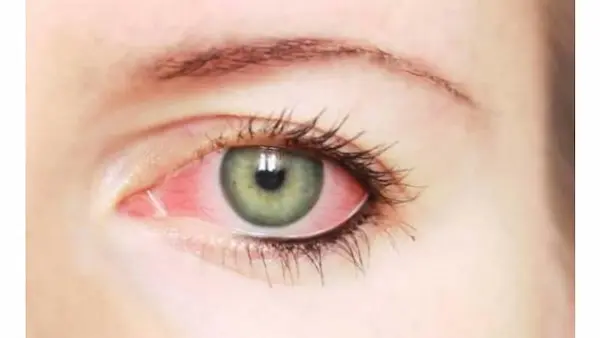
Symptoms of severe dry eyes
When dehydration develops to an advanced stage, symptoms become more noticeable and bothersome, and may directly affect the quality of daily life, including:
- A strong, persistent burning or tingling sensation in the eyes, with difficulty relieving it even using regular lubricating drops.
- Chronic eye redness due to irritation of the surface of the eye and the absence of the protective tear film.
- The constant feeling of the presence of a foreign body or fine sand inside the eye, even in the absence of any actual external body.
- Blurred or fluctuating vision, where vision becomes clear for a moment and then blurry when reading or using the computer.
- Increased sensitivity to light (photophobia), making it difficult to look at screens or bright lights.
- Excessive and sudden secretion of tears as a reflex response to dehydration, but these are poor-quality tears that do not provide the required lubrication.
- Difficulty wearing contact lenses or feeling severe discomfort when using them.
- Eye pain or strain, especially after prolonged visual activities such as reading or driving.
- In very advanced cases, corneal surface ulcers or recurrent infections may occur due to the absence of the natural protective layer.
Factors that increase the risk of dry eyes
Although dry eyes can affect anyone, there are certain categories and factors that make the possibility of infection higher, the most prominent of which are:
-
Getting older
As we age, the elasticity of eye tissues decreases and the secretion of tear glands naturally decreases, making dry eyes more common in those over forty and fifty.
-
التغيرات الهرمونية
Women are more susceptible to dry eyes, especially after menopause or during pregnancy and breastfeeding, as hormonal changes affect the tear glands.
-
Environmental factors
Constant exposure to dry air, dust, smoke, or use of air conditioners and heaters.
-
Nature of work and lifestyle
Such as people who spend long hours in front of screens, or who work in closed, constantly air-conditioned spaces.
-
Lack of healthy habits
Smoking, not drinking enough water, and not getting enough sleep are all factors that reduce the eye's ability to maintain moisture.
-
Genetic or health predisposition
Some people have a greater predisposition to infection due to genetic factors or general weakness in eye tissue.
Methods of diagnosing dry eye
Diagnosis is based on a combination of the patient's medical history and specialized clinical examinations, and aims to accurately determine the cause and degree of dehydration in order to choose the appropriate treatment plan.
-
Taking a medical history and clinical examination
The doctor begins by asking about the symptoms, with the doctor reviewing the medications the patient is taking and any chronic diseases or associated environmental factors.
-
Slit lamp examination of the surface of the eye
This examination allows for the evaluation of the surface of the cornea and conjunctiva, and for signs of inflammation or dryness such as redness or changes in the tear film.
-
Schirmer Test
A special paper strip placed under the eyelid is used to measure the amount of tears produced over a specific period of time, and is one of the basic tests to evaluate the adequacy of tear production.
-
Tear Break-Up Time TBUT
A safe fluorescein dye is placed in the eye and then the speed of tear evaporation or dissolution of the tear film is monitored, which is an important indicator of the quality and stability of the tears.
-
Ocular Surface Staining Tests
Special dyes such as fluorescein or rose bengal are used to detect any damage or microscopic wounds on the surface of the cornea and conjunctiva as a result of dryness.
-
Measurement of tear osmolarity (Tear Osmolarity Test)
It measures the concentration of salts in tears, as osmolarity increases when there is dry eye, which helps accurately determine the severity of the condition.
-
Additional examinations of the sebaceous glands in the eyelid
The function of the meibomian glands, which are responsible for secreting fats that reduce tear evaporation, is evaluated, especially when a defect in these glands is suspected.
Book your consultation now at Eye Center At Al Mousa Specialist Hospital.
Home remedies to relieve dry eyes
Some cases of dry eyes require specialized medical intervention, but there are several steps and home treatments that help reduce symptoms and improve eye comfort, including:
- Warm compresses with water on the eyelids: Moist heat helps dissolve oily blockages in the glands at the edges of the eyelid and stimulates the secretion of natural oils.
- Warm or cold tea bag compresses: Black or green tea bags contain antioxidants and natural astringents that may help reduce inflammation and soothe eye irritation.
- Cleaning the eyelids daily: Using sterile gauze moistened with warm water or saline solution to clean the eyelash line removes secretions or crusts that may clog the glands.
- Gently massage the eyelids: After compresses, the edges of the eyelids can be massaged lightly in circular motions to enhance the flow of natural oily secretions and improve the balance of the tear film.
- Cold cucumber slices: Placing cucumber slices on the closed eye contributes to moisturizing the area around the eye and reducing the feeling of dryness and puffiness.
- Coconut oil: A very small amount can be applied around the eyelids (not inside the eyes) to moisturize the area and support the sebaceous glands that help prevent tear evaporation.
- Increasing air humidity at home: Running an air humidifier helps reduce air dryness, which reduces symptoms, especially in winter or air-conditioned places.
- Drink moisturizing herbs: such as chamomile or anise tea, which help moisturize the body in general and thus support eye hydration.
- Avoid direct air currents: such as air conditioning, a fan, or exposure to strong winds, as direct air increases the evaporation of tears, causing the condition to worsen.
Medications and medicinal drops to treat dry eyes
In moderate to severe cases of dry eyes, home treatments may not be sufficient, and here the doctor prescribes specialized medication options aimed at improving tear production, reducing inflammation, and increasing the quality of hydration, the most prominent of which are:
-
Artificial tears
- The first and most common option, these are lubricating drops that are used several times daily to replenish natural tears and reduce burning and dryness.
- They are available in different forms such as light liquid solutions for frequent use, gels or night ointments.
-
Anti-inflammatory drops
- Cyclosporine: Stimulates the tear glands to secrete more tears with continuous use for several months.
- Liftigrast: reduces immune inflammation on the surface of the eye and improves the quality of tear secretion.
- These medications do not give immediate results, but they are effective in controlling chronic dry eyes associated with inflammation.
-
Topical steroids
- They are only used for a short time in cases of acute and severe inflammation that worsens the symptoms of dehydration.
- The doctor determines its duration precisely because it may affect intraocular pressure or the lens of the eye when excessive.
-
Drops containing tear support components
- Such as hyaluronic acid, which maintains hydration for a longer period.
- Or drops enriched with lipids to improve the stability of the lipid layer in tears and prevent its rapid evaporation.
- Some types contain antioxidants to reduce surface cell damage caused by chronic dehydration.
-
Oral medications
- Omega-3 supplements: Support the function of the meibomian glands in the eyelids and improve the quality of tears.
- In some cases associated with immune diseases (such as Sjögren's syndrome), the doctor may prescribe immunomodulatory medications to reduce the immune activity that causes dehydration.
Find out more about: How a vision test helps prevent eye problems؟
Tips to prevent dry eyes
Prevention depends on a set of healthy habits that maintain eye moisture and reduce its exposure to factors that cause dryness. The most prominent of these tips are:
- Follow the 20-20-20 rule when using screens:
After every 20 minutes of looking at a computer or phone screen, look at an object 20 feet away for 20 seconds to reduce eye strain.
- Be sure to blink frequently: Reminding yourself to blink, especially while working in front of screens, helps distribute tears in an even manner and prevents corneal dryness.
- Avoid direct exposure to dry air: Stay away as much as possible from air conditioning, fan, or direct hot air, and wear sunglasses when going out in windy weather.
- Maintaining air humidity: Use air humidifiers in homes and offices, especially in the winter or in dry environments.
- Drink a sufficient amount of water: Internal hydration of the body is directly reflected in eye health, so it is recommended to drink 6-8 cups of water daily.
- Reducing the use of contact lenses: It is preferable to wear lenses for limited periods only.
- Stay away from smoking and polluted atmospheres.
- A diet rich in omega-3: Eating fatty fish, flax seeds, and walnuts helps support the function of the sebaceous glands in the eyelids and improve the quality of tears.
- Eyelid hygiene care: Gently clean the eyelids on a daily basis.
When should you visit an eye doctor?
Although dry eyes may be a simple symptom that eases with some lifestyle changes, there are cases that require seeing an ophthalmologist without delay, and they include:
- Symptoms persist for a long time: If the condition does not improve despite following home advice or using simple artificial tears.
- Severity of discomfort: When dehydration becomes severe, it causes difficulty performing daily activities such as reading, driving, or working in front of screens.
- Effect on vision: frequent blurry appearance or fluctuation in vision clarity.
- After eye surgeries or with chronic diseases: such as patients with diabetes, rheumatoid arthritis, or those who have undergone LASIK surgery, as they are more vulnerable to complications.
- The appearance of recurrent secretions or inflammation: which may indicate the presence of an infection or blockage in the sebaceous glands in the eyelids.
Frequently asked questions
How to treat dry eyes quickly?
To treat dry eyes quickly, it is recommended to use artificial tears to moisten the eyes immediately, and to apply warm compresses to the eyelids to stimulate the secretion of natural oils.
Is dry eye dangerous?
No, it is not dangerous in most cases, but it may cause pain, blurred vision, and affect the quality of life.
Does dry eye cause blindness?
It does not cause blindness directly, but if it is severe and neglected, it may lead to corneal damage and serious visual problems that may permanently impair vision.
How long does it take to recover from dry eyes?
Healing time varies depending on the cause;
What is the best vitamin for dry eyes?
The best vitamins are: Vitamin A to maintain the cornea, Omega-3 to reduce evaporation, with support from Vitamins D, C and E to improve eye hydration and protection.
Dry eyes are a common problem that affects daily comfort and quality of vision.
Sources
NHS– Dry eyes
