
Do you want to treat ear pain?
This pain is one of the most common reasons for visiting a doctor, and it can affect people at all ages (from infants to the elderly).
So if you would like to know more information about treating ear pain, what its causes are, and how it can be treated, follow this article with me.
What is ear pain?
Ear pain is a symptom of many health conditions, and may indicate an underlying problem, or it may mean that you have an ear infection.
Ear pain may affect one or both ears, but most often it is in one ear.
The conditions associated with it include the following: –
- Otitis media.
- Swimmer's ear.
- Malignant otitis externa.
This pain is not serious, but recurring pain, or pain lasting more than three days, may indicate a more serious problem.
The most important causes of ear pain
In order for your doctor to determine the appropriate ear pain treatment for your condition, you must know the reasons that led to this pain.
- Perforation of the eardrum.
- Wax buildup.
- Eustachian tube defect.
- Infections of the outer, middle, or inner ear.
- Swimmer's ear.
- Soap or shampoo remaining in the ear.
- A foreign body enters the ear.
- Irritation of the ear canal due to cotton swabs.
- Air or water pressure changes.
The pain you feel in the ear could also be coming from somewhere else, such as: –
- Tooth infection.
- Temporomandibular joint syndrome.
- sore throat.
- Sinusitis.
- الحساسية.
- Colds.
- Esophageal reflux.
- tonsillitis.
- Chronic facial nerve.
You can see Middle ear treatment Symptoms, causes and types
Ways to treat ear pain
Treatment for ear pain depends on the causes that led to its occurrence.
- Apply cold or warm compresses to the outer ear for 20 minutes. Cold compresses help relieve pain and inflammation, while heat relaxes your muscles and improves blood flow.
- Lie in an upright position, to help reduce pressure in the middle ear.
- Dry your ear well after showering or swimming.
- Avoid putting anything in the ear, in order to avoid Otitis externa.
- Chewing gum to relieve pain and stress resulting from otitis.
- Children should not sit with smokers, because passive smoking is a major cause of ear infections in children.
- Elevate your head to help relieve pressure inside your ear.
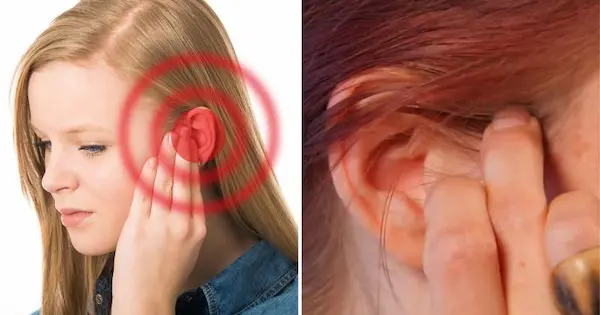
There are also some home remedies that may help relieve ear pain, such as: –
- Use ginger, because it contains anti-inflammatory agents that help relieve pain resulting from swelling.
- If your ear pain is caused by wax buildup, you can place drops of warm olive oil in the ear canal to soften the wax and make it easier to remove.
- Rest, to boost your immune system to fight infection.
- Using a neti pot helps relieve severe nasal congestion, which leads to ear pain relief.
- Drink warm liquids, such as herbal tea or chicken broth.
Book your consultation now at قسم الأنف والأذن والحنجرة At Al Mousa Specialist Hospital.
The best medicines to treat ear pain
Your doctor may advise you on the following medications to help treat ear pain, including: –
- Use over-the-counter pain relievers, such as acetaminophen or ibuprofen, to help relieve ear pain and reduce inflammation.
- Antibiotics, such as amoxicillin or Augmentin, to treat the infection.
- Use decongestants that help relieve ear congestion. These medications range from nasal sprays, such as Afrin, or oral medications, such as pseudoephedrine.
- Your doctor may prescribe ear drops, which include the following: –
- Antibiotics.
- Antifungals.
- Corticosteroids.
This is in the following cases: -
- Your pain is due to wax buildup.
- If your symptoms do not improve for three days.
- When secretions come out of the ear.
However, it should be noted that you should not use the drops if you suffer from a ruptured eardrum.
Get to know Treatment of ear infection Symptoms, causes and complications
When should you go to the doctor?
You should consult a doctor if you or your child suffers from the following: –
- Ear pain that persists for more than three days.
- General malaise.
- goosebumps.
- Your temperature reaches 39 degrees Celsius or higher.
- Discharge from the ear.
- nausea.
- vomiting.
- Hearing loss.
- Swelling, or change in color of the skin around the ear.
- Having something stuck in the ear.
- ضعف عضلات الوجه.
- Avoid trying to remove the wax.
- Severe headache.
- Symptoms, such as fever and pain, do not improve or worsen for 48 hours.
- Severe sore throat.
- dizziness.
Frequently asked questions about ear pain treatment
If you are looking for a treatment for ear pain, in order to get rid of the feeling of discomfort, you may have many questions in mind, such as: –
What should I do when my ears hurt?
You can follow the following steps to help relieve pain, such as: –
- Use over-the-counter pain relievers, such as acetaminophen or ibuprofen, to relieve pain and reduce inflammation.
- Sleep in an upright position instead of lying down to relieve pressure and pain in your middle ear.
- Use hydrogen peroxide drops to remove wax and get rid of bacteria in your ear.
- Chew gum to reduce pressure and relieve pain.
- Apply cold or hot compresses to the outer ear for 20 minutes to relieve pain and reduce inflammation.
What relieves earache?
Over-the-counter medications, such as acetaminophen or ibuprofen, may be sufficient to relieve ear pain, but your doctor may prescribe some medications in the form of drops or oral medications, such as: –
- Antibiotics.
- Antifungals.
- Corticosteroids.
How to get rid of earache in one minute?
You can remove an earache in one minute, by applying cold and hot compresses alternately. Cold compresses contribute to relieving pain and reducing inflammation, while hot compresses may relax the muscles and improve blood flow.
However, it must be noted that these compresses only contribute to relieving ear pain without treating the real cause of the pain.
In conclusion, I now realize, dear reader, what is the treatment for ear pain?
Therefore, if you want to treat annoying ear pain that threatens your comfort, you must go to Al Mousa Specialist Hospital, so that the most skilled doctors can determine the real cause of the pain and determine the appropriate treatment for your condition.
Medical references
Cookies on the NHS website – nhs
Earache – medlineplus
