
Pregnancy is a true miracle that every woman eagerly awaits, but some women may face an unexpected challenge, which is an ectopic pregnancy.
This is a condition in which the fetus does not implant within the safe uterine cavity, but rather implants and develops in another location that is not prepared to receive it.
So if you want to know more information about ectopic pregnancy, and what its causes, follow this article with me.
What is an ectopic pregnancy?
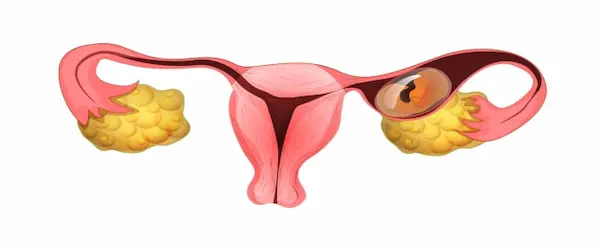
It is a medical emergency that occurs when the fertilized egg implants outside the uterus in a place that does not support its growth.
- Fallopian tube (more than 90% of cases occur in the fallopian tube that connects the ovary and the uterus, and this type is called tubal pregnancy).
- Ovaries.
- Abdominal cavity.
- Lower part of the cervix.
The fertilized egg is supposed to travel through the fallopian tubes;
This condition cannot continue, because the uterus alone is responsible for carrying the fetus.
This is because untreated pregnancy may cause dizziness, or fainting, in addition to severe pain in the following: –
- البطن.
- The basin.
- Shoulder.
- الرقبة.
But immediate treatment for this pregnancy contributes to the following: –
- Reducing the risk of pregnancy complications.
- Increase the chance of natural pregnancy in the future.
تعرفي أيضًا على: Pregnancy symptoms in the first week.
What are the causes of ectopic pregnancy?
In most cases, abnormal pregnancy occurs as a result of slowed or obstructed movement of the egg in the fallopian tube.
- The presence of scar tissue, adhesions, or inflammation resulting from previous surgery on the female organs.
- A birth defect in the fallopian tubes.
- Scarring after a ruptured appendix.
- Endometriosis.
- Having had a previous abnormal pregnancy.
- The presence of a tumor blocking the fallopian tube.
There are many factors that may increase the risk of an ectopic pregnancy, such as: –
- Age over 35 years.
- Ligation of the fallopian tubes.
- Sexually transmitted infections.
- Pregnancy while using an IUD.
- History of pelvic inflammatory disease.
- Infertility treatment with artificial insemination.
But sometimes the cause of that pregnancy may be unknown.
What are the symptoms of ectopic pregnancy?
The symptoms of an ectopic pregnancy may be very similar to those of a normal pregnancy.
- Abnormal vaginal bleeding.
- Mild cramps in one side of the pelvis.
- Cessation of menstruation.
- Pain in the lower abdomen or pelvic area.
- Brown watery discharge.
- Discomfort when urinating or defecating.
- Dizziness, or weakness.
- Pain in the shoulder, neck, or rectum.
However, if the area surrounding the abnormal pregnancy ruptures, the symptoms may worsen and include the following: –
- Fainting, or feeling dizzy.
- Low blood pressure.
- Severe pressure in the rectum.
- Severe, sharp pain in the lower abdomen.
- Intestinal problems.
- Heavy vaginal bleeding.
Complications of ectopic pregnancy
The uterus is the only organ that can accommodate a developing fetus, and it can expand as the fetus grows, but in the case of an abnormal pregnancy, the fertilized egg may be encased in a structure that can grow for several weeks outside the uterus.
But that structure may burst between weeks six and sixteen, leading to severe, life-threatening internal bleeding.
Diagnosis of ectopic pregnancy
Most women do not know that they have an ectopic pregnancy until they visit a doctor.
The doctor will also advise you to undergo the following tests: –
1.Urine examination: –
The doctor uses this test to confirm pregnancy.
2.Blood test: –
To determine levels of human chorionic gonadotropin and progesterone, two hormones present during pregnancy.
If the levels of these two hormones begin to decrease, or remain the same over several days, and the gestational sac does not appear on an ultrasound scan, the pregnancy may be ectopic.
3. Ultrasound examination: –
This examination is used to create images of the inside of the uterus, to check for the presence of a gestational sac, and to determine where the fertilized egg has implanted.
Book your consultation now at مركز صحة المرأة At Al Mousa Specialist Hospital.
Treatment of ectopic pregnancy
A fertilized egg cannot survive outside the uterus.
1. Methotrexate for ectopic pregnancy: –
If the fallopian tube has not ruptured, the doctor may give you a methotrexate injection to prevent the growth of the fertilized egg.
The doctor will advise you to undergo a blood test to check your levels of human chorionic gonadotropin before and after giving you the medication.
If the doctor notices that there is no decrease in the level of that hormone, he may advise you to take a second dose of the same medication, and you will need to continue until that hormone disappears from your blood.
The medication will cause symptoms similar to those of a miscarriage, including the following: –
- Contractions.
- النزيف.
- Tissue excretion.
2. Surgery: –
If your fallopian tube has ruptured, or you're at risk of rupture, your doctor will want to surgically remove the abnormal pregnancy through laparoscopic surgery.
The doctor makes several very small incisions in your lower abdomen, then inserts a thin, flexible tube called a laparoscope, to remove the fetus and repair any damage to the fallopian tube.
If surgery isn't successful, your doctor may repeat the laparotomy procedure, but through a larger incision, and your doctor may also need to remove the fallopian tube during that surgery if it's damaged.
Get to know: Pregnancy care in the first months Have a healthy pregnancy
How to prevent ectopic pregnancy
There is no way to prevent ectopic pregnancy, but you can reduce the possibility of it occurring by the following: –
- Avoid using vaginal douche, as it may increase the possibility of an abnormal pregnancy.
- Reach and maintain a healthy weight.
- Quit smoking.
- Use condoms, because it reduces the risk of pelvic inflammatory disease and sexually transmitted diseases.
- Make sure to visit your gynecologist regularly.
Frequently asked questions about ectopic pregnancy
If you are suffering from an ectopic pregnancy, many questions may be on your mind, such as: –
What happens if an ectopic pregnancy occurs?
The fertilized egg implants in another unsafe place outside the uterine cavity, and may include the following areas: –
- Fallopian tube, which represents about 90% of abnormal pregnancies.
- Ovaries.
- Abdominal cavity.
- cervix.
An abnormal pregnancy may cause serious health problems for the mother.
Can an ectopic pregnancy be treated without surgery?
Yes, as the doctor may give you methotrexate injections, which help prevent the growth of the fertilized egg, and then your body will absorb the egg within about four to six weeks, if the fallopian tube does not rupture.
But if your fallopian tube ruptures, or if you are at risk of rupture, surgery is the best option to treat an abnormal pregnancy.
Does menstruation occur during an ectopic pregnancy?
No, this pregnancy may cause an interruption of the menstrual cycle, and some women may mistake the vaginal bleeding that this pregnancy may cause as a regular menstrual cycle, but it is often watery and dark brown in color.
In conclusion, you now understand, dear mother, what an ectopic pregnancy is?
So if you are experiencing this pregnancy, you should go to Al Mousa Specialist HospitalThis is so that the best gynecologists will help you treat that pregnancy and improve your condition for a healthy pregnancy in the future.
Sources
Ectopic pregnancy – medlineplus
Ectopic Pregnancy – clevelandclinic
