
Numerous eczema is a chronic and annoying skin condition that appears in the form of circular or oval spots that resemble coins. It affects the skin, causing severe itching, dryness, and peeling. It often appears on the arms and legs, but it may extend to other areas of the body. It is a type of eczema that requires accurate diagnosis and continuous care to reduce its recurrence and aggravation. You can receive medical care at Al Mousa Health Hospital and recover from this condition quickly.
What is dermatophyte eczema?
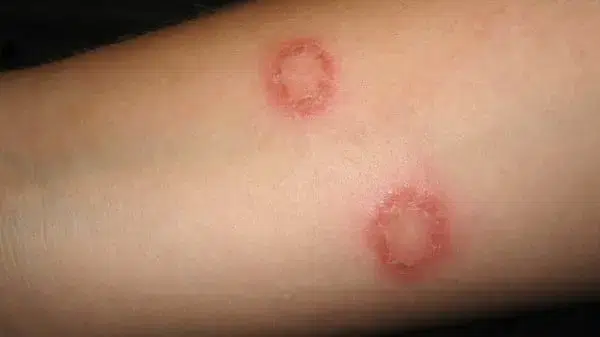
Numerous eczema, also known as guttate eczema, is a chronic type of skin eczema that often appears in the form of circular or semi-circular spots that resemble a coin. For this reason, it is also known as discoid eczema or pimple eczema. This condition is characterized by the presence of red or pinkish-brown spots that usually spread in the extremities, such as the arms and legs, and may sometimes extend to the trunk or other areas of the body.
These spots initially appear as a small spot and then begin to gradually expand to take a circular or oval shape, and are often accompanied by severe itching that may lead to skin scratching and worsen the condition.
What are the causes of dermatophyte eczema?
Although the exact cause of dermatophyte eczema is still not fully known, there are several factors that are believed to play a role in the appearance or exacerbation of this condition, which are as follows:
- Severe skin dryness is considered one of the most important causes of dermatitis, as a lack of moisture in the skin leads to a weakening of the natural skin barrier.
- Exposure to chemicals such as strong soaps, industrial detergents, and substances containing alcohol or perfumes.
- Climate changes, especially in the winter or when moving from a dry environment to a more humid or cold environment, as climate change leads to fluctuations in skin moisture.
- Stress causes the immune system to activate in an abnormal way, causing skin inflammation and symptoms.
- Allergy to certain materials: Some people suffer from allergies to metals such as nickel or cobalt, or to synthetic fabrics or ingredients in skin care products.
- Poor blood circulation: In some cases, poor blood flow, especially in the extremities, causes poor skin regeneration.
- Family or personal history of allergic diseases such as asthma, atopic dermatitis, or hay fever.
Learn about: What is the treatment for eczema in children and what are the methods of prevention?
What are the symptoms of edema eczema?
The symptoms of budding eczema are a group of skin signs that appear gradually or suddenly and usually affect multiple areas of the body, especially the extremities. Below is a breakdown of the most common symptoms associated with budding eczema as follows:
- The appearance of circular or oval-shaped spots. These spots have clear borders and are similar in shape to coins. They often appear red or pink at first and then turn brown or dark over time.
- Severe itching is one of the most annoying symptoms and may be continuous or intermittent and in many cases leads to skin scratching.
- Dry and peeling skin. The affected area becomes severely dehydrated, which leads to peeling of the skin and the formation of thin or thick crusts, depending on the severity of the condition.
- Excretion of fluids or secretions: In some cases, especially when there is active inflammation, clear or yellow fluids may emerge from the affected spots.
- The patient feels a burning sensation in the affected areas, especially when scratching the skin, using irritating materials, or when the skin is exposed to hot water.
- The surface layer of the skin cracks due to dryness and constant itching, which increases the feeling of discomfort and delays healing.
- In some cases, the color of the skin surrounding the affected spots changes, becoming darker or showing irregular pigmentation as a result of inflammation or recurrent itching.
- Numerous eczema begins with one or two spots and then spreads over time to other areas of the body, especially if treatment is not done or if the skin is constantly exposed to irritants.
Would you like to know? What is the difference between eczema and psoriasis?
Diagnosis of dermatophyte eczema
The diagnosis of edema eczema depends mainly on a careful clinical examination and the patient’s medical history. The dermatologist evaluates the symptoms appearing on the skin. Below is a detailed explanation of the steps for diagnosing edema eczema as follows:
- The doctor asks about the beginning of the appearance of skin spots and their development over time.
- He inquires about the presence of similar cases in the family or the presence of other skin diseases such as asthma, allergies, or atopic dermatitis.
- The patient is asked about his daily habits, such as using soap, detergents, or exposure to chemicals.
- The doctor examines the shape, size, color, and borders of the spots, whether they are circular or oval, and whether there are crusts or secretions on them.
- Other areas of the body are examined to determine the extent of the infection.
- The doctor requests a skin biopsy because edema eczema may resemble other skin diseases. A small sample of the affected skin is taken and examined under a microscope to confirm the diagnosis and rule out the presence of diseases.
- The doctor may order a skin patch test to determine the type of allergen if there is a suspicion that the cause of eczema is an allergic reaction to certain substances.
- In rare situations, the doctor needs to perform blood tests, but they may be used if there is a suspicion of a secondary infection or immune defect or to ensure that there is no vitamin or iron deficiency that may contribute to the worsening of the condition.
Book your consultation now through مركز الجلدية والتجميل At Al Mousa Specialist Hospital
Treatment of dermatophyte eczema
Treatment of bubbly eczema mainly aims to relieve symptoms, calm inflammation, reduce itching, and improve the appearance of the skin. Below is a detailed explanation of the methods of treating bubbly eczema:
- Moisturizing the skin is the basis of treatment in cases of dermatophyte eczema, as it is recommended to use medical moisturizers free of perfumes and chemicals.
- The doctor prescribes topical creams containing cortisone at the appropriate concentration to reduce inflammation, redness, and itching.
- The doctor prescribes antihistamine medications taken orally to reduce the feeling of itching, especially at night, and to help the patient sleep peacefully.
- The doctor prescribes antibiotics to treat the infection, whether through a topical cream or oral pills, if signs of infection appear on the skin, such as the release of pus, severe redness, or local heat.
- The doctor resorts to ultraviolet phototherapy in severe or chronic cases that do not respond to topical treatments, as this type of treatment helps calm inflammation and gradually improve skin condition.
- The patient needs oral medications that affect the immune system in some severe cases, such as corticosteroids or immunosuppressants. These medications are used for a specific period to reduce inflammatory activity.
- The patient should avoid using strong soaps, chemical detergents, or synthetic fabrics.
- It is preferable to wear cotton clothes, avoid frequent scratching or rubbing of the skin, and be sure to shower with lukewarm water instead of hot water.
- A healthy lifestyle should be followed, which includes regular sleep, reducing stress and psychological stress, and eating a balanced diet that contains the vitamins and minerals necessary for healthy skin, such as vitamin D, zinc, and omega-3.
How to prevent edema eczema
Prevention requires a set of daily procedures and healthy habits that aim to protect the skin from dryness, strengthen its natural barrier, and avoid factors that cause allergies or irritation. Below we mention the most important ways to prevent numb eczema:
- It is recommended to bathe with lukewarm water instead of hot water, avoid staying in the water for long periods, gently dry the skin with a cotton towel without rubbing, and then moisturize the skin immediately after drying.
- You should wear clothes made of soft cotton and avoid synthetic fabrics or wool that may rub against the skin and cause irritation. It is also preferable to wear loose clothing to allow the skin to breathe.
- An air humidifier can be used, especially in the winter or in places where the weather is dry, as this helps prevent dry skin resulting from low humidity.
- Since psychological factors play an important role in triggering eczema, controlling stress and emotions through exercise, breathing exercises, or meditation contributes to preventing the condition from worsening.
- If the patient suffers from an allergy to certain metals, foods, or substances, he should avoid them as much as possible. It is also preferable to conduct allergy tests to know which substances to stay away from.
- Even if there are no symptoms, it is recommended to visit a doctor periodically to monitor the skin condition and obtain appropriate advice according to the developments of the condition
Questions:
What does eczema look like at its beginning?
Eczema begins with the appearance of small red or pink spots on the skin that are dry and rough to the touch, accompanied by mild or moderate itching. The color of the skin may gradually change, and thin crusts form around the affected area. Sometimes the area swells slightly and becomes sensitive to touch, and often appears on the hands, arms, or legs.
Is Vaseline good for eczema?
Yes, Vaseline is beneficial for eczema because it acts as a barrier that protects the skin from loss of moisture and reduces dryness and irritation. It also helps soothe the skin and relieve itching and redness, but it is preferable to use it on clean, slightly damp skin after showering. It is recommended to choose pure, fragrance-free Vaseline to avoid any additional skin irritation.
Does eczema go away on its own?
Eczema does not disappear on its own permanently, but it may subside for long periods and then return again when exposed to irritants or stress. Some mild cases may improve without intensive treatment, but chronic cases require continuous care, constant hydration, and avoiding triggering factors to prevent recurrent attacks, and follow-up with a doctor is necessary to control the condition and control the symptoms.
In conclusion, dermatological eczema is a skin condition that requires constant awareness of the triggering factors and constant attention to skin health through good hydration, avoiding irritants, and adhering to the doctor’s instructions. Although the condition may be chronic, it is possible to control it with appropriate treatment and a healthy lifestyle that the doctors at Al Mousa Health Hospital, which has the best specialized medical team, help you follow.
Sources and references
Seborrheic Dermatitis – clevelandclinic
Seborrheic Dermatitis – webmd
