
Foot surgery is a complex surgery because the foot includes a complex anatomical structure that includes many bones, joints, ligaments, and tendons. Therefore, it is vulnerable to a wide range of injuries and pathological conditions that may require surgical intervention. Some may suffer from chronic pain, an acquired deformity, or a sports injury. Here, the available surgical options must be understood, as it is an essential step towards recovery. Al Mousa Health Hospital doctors perform all types of foot surgery due to their experience and competence. During this article, we will present the cases that require resorting to this surgery and what can be expected during the recovery period.
What is foot surgery?
Foot surgery is a branch of orthopedic surgery that specializes in diagnosing, treating and preventing diseases and injuries of the foot and ankle. Foot surgery includes a group of procedures aimed at treating deformities, pain, arthritis, fractures, and other injuries affecting the foot and ankle.
Types of foot surgeries
Foot surgery is diverse and aims to treat multiple problems and deformities. Its techniques also vary according to the problem and type of deformity. Below we mention a breakdown of the most important types of foot surgeries:
- Surgery to correct the deviation of the big toe (bunion): It aims to correct the deviation of the big toe (bunion) by cutting the bone, reorganizing it in the correct position, refining the cartilage, and sometimes using metal screws to stabilize the new position. It is one of the most famous cosmetic surgeries and correction of deformity in the forefoot.
- Joint stabilization surgery (arthrodesis): It is performed to stabilize one or more joints in the foot. Cartilage is removed from the joint and the bone is stabilized with screws and metal plates. The goal is to eliminate pain resulting from bone friction (such as roughness or arthritis), but it limits movement in the treated joint.
- Achilles tendon repair surgery: It is used to treat a rupture or inflammation of the Achilles tendon, where the tendon is sutured or reconstructed if it is severely torn. This surgery restores the ability to walk and run, and is used in cases of sports injury.
- Joint replacement surgery (artificial joint): A damaged foot or ankle joint is replaced with an artificial joint to improve mobility and relieve pain in patients with joint degeneration or arthritis.
- Surgery to correct toe deformities: includes operations such as correcting hammer or claw toes, in which parts of the bone are cut or part of the joint is removed, while the toes are fused or immobilized to correct the position and restore function.
- Surgery to remove tumors and masses: such as removing Morton’s neuroma, which affects the foot nerves between the toes, and surgical removal of benign or malignant tumors that affect bones or soft tissue.
- Surgery to treat flat feet or arches: It aims to reconstruct the arches of the feet in people with flat feet or excessive arches, by adjusting the position of the bones and tendons and possibly fixing the bones in the correct position.
- Plantar fasciitis surgery: It is performed to treat inflammation of the fascia tissue on the bottom of the foot when non-surgical methods fail, where part of the fascia is released to relieve tension and pain.
- Ingrown toenail surgery: A surgical procedure on toenails that are buried or embedded in the skin by removing part of the nail and treating the nail root to prevent the problem from recurring.
- Hindfoot and midfoot surgeries: These include correcting congenital or acquired deformities in the bones of the hindfoot or midfoot, such as clubfoot, hollow foot, and diabetic foot, through specialized reconstructive and corrective operations.
Learn about: The importance of orthopedic surgery؟ وما الحالات التي تُعالجها؟
The most common cases that require foot surgery
There are many cases of foot surgery, and the most common cases that require surgical intervention are the following:
- Deviation of the hallux (bunion or hallux valgus): where a painful bony protrusion occurs at the base of the thumb due to the deviation of the bone, making it difficult to wear shoes and causing constant pain.
- Fractures of the bones of the foot and ankle: resulting from severe injuries such as car accidents, falls, or heavy blows, and may require surgical stabilization of the bones.
- Inflammation of the hallux and other joints in the foot: causes stiffness and chronic pain that may require joint replacement or immobilization.
- Toe deformities (such as hammertoe and claw deformities): These cause pain and difficulty walking and moving and require surgical correction.
- Sprains and tears of foot and ankle ligaments: especially in athletes or cases of acute injuries.
- Flat feet or a change in the shape of the arch of the foot: This may cause pain and fatigue and in some cases requires surgical repair.
- Morton's neuroma: Painful swelling of the foot nerves between the toes due to narrowing of the nerves.
- Tendon infections or problems, such as the Achilles tendon: You may need surgical repair if the tear or inflammation is severe.
- Ingrown toenails or related problems: They cause pain and infection that may require surgical removal of part of the nail.
- Nerve and circulatory problems: such as those that accompany diabetes and their effects on the foot.
How to prepare for surgery?
To prepare for foot surgery, a number of important steps are followed to ensure the patient’s safety and the success of the operation, including the following:
- Comprehensive medical examination: The doctor performs a complete physical examination and tests such as blood tests and X-rays to evaluate the condition of the foot and ankle and ensure that there are no complications that may hinder surgery.
- Review of medications: The doctor must be informed of all medications that the patient is taking, especially medications that affect blood clotting such as aspirin or anti-inflammatory drugs, as the doctor may request that they be discontinued before surgery.
- Stop smoking: If the patient is a smoker, it is recommended to stop or reduce smoking because it negatively affects recovery and increases the risk of complications.
- Preparing the home environment: The patient's place must be arranged after surgery to be ready for movement with a minimum of effort, such as removing carpets, rearranging furniture, and preparing the necessary crutches or medical shoes.
- Statement not to eat or drink: The patient is usually asked to refrain from eating and drinking for 8-12 hours before the surgery to avoid problems during anesthesia.
- Discussing the treatment and recovery plan: The surgeon talks with the patient about the details of the surgery, possible complications, and the post-operative follow-up plan, including the rest period and the need to use crutches.
- Anesthesia and checking the health condition: The anesthesiologist reviews the patient’s health condition and decides the type of anesthesia appropriate for the surgery.
- Psychological preparation: It is important for the patient to be psychologically prepared, and reduce anxiety by reviewing everything related to the operation with the medical team.
Post-surgery: recovery stages
The stages of recovery after foot surgery go through several basic stages to ensure a successful recovery and restore the normal function of the foot, including the following:
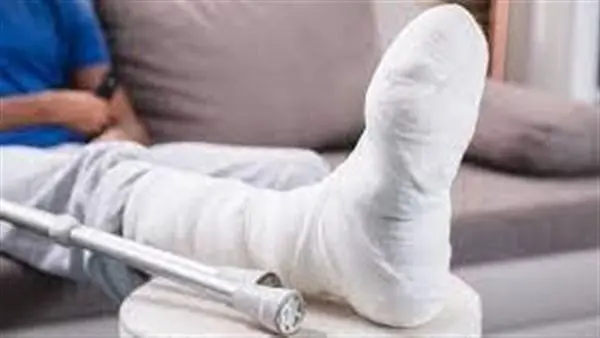
- The first days (from the first to the seventh day): The foot is raised on a pillow to reduce swelling. The foot remains wrapped with a bandage and a back splint (half a cast). It is not allowed to put weight on the foot after surgery. The patient may feel numbness and moderate pain that lasts for several hours after surgery. Painkillers are also used regularly and care is taken not to hang the foot to reduce swelling.
- After two weeks: a follow-up visit at the clinic to examine the wound and remove the stitches, if any.
- Sixth week: The pneumatic splint can be removed gradually. Weight is allowed to be placed on the affected foot gradually. The splint can be removed during light movement exercises or at night. Swimming can also be started while reducing pressure on the foot.
- The twelfth week: Complete removal of the pneumatic splint. Swelling may continue for several months but gradually decreases. Regular shoes can be used and the patient begins to regain normal activity.
- Extended period (several months): Continued improvement of movement and strength through physical therapy exercises. Swelling may continue slightly for a period of up to 6 months. Follow up with your doctor to detect any possible complications such as infection or arthritis.
Potential risks and complications
The possibility of these risks varies depending on the type of surgery, the patient’s condition, and his adherence to the doctor’s instructions after the operation. Among the most important risks and potential complications after foot surgery are the following:
- Bleeding: It may occur during or after the operation, and sometimes it may be severe and require urgent medical measures.
- Infection: Possible infection of the wound or bone site, which may prolong the healing period and require antibiotic treatment or additional surgery.
- Swelling and persistent pain: Swelling of the foot and ankle is normal after surgery, but it may persist for a long time if it is not controlled.
- Nerve damage: The nerves in the foot may be damaged, causing numbness or chronic pain.
- Deep vein thrombosis: especially in susceptible people, and to prevent this condition requires prior treatment.
- Tissue death and gangrene: in rare cases due to poor blood flow, which may lead to amputation.
- Stiffness and loss of joint flexibility: After some surgeries, the ability to move normally may be reduced.
- Adverse reactions to anesthesia: May accompany any surgical procedure.
- Slow wound healing: especially in people with chronic diseases such as diabetes.
Book your consultation now at Orthopedic center At Al Mousa Specialist Hospital.
Important tips after foot surgery
There are several important tips after foot surgery to ensure a successful and quick recovery, including the following:
- Follow your doctor's instructions carefully: Do not stop taking medications or change treatments without consulting your doctor, and check your follow-up appointments regularly.
- Elevate the foot above the level of the heart: While sitting or lying down, this helps reduce swelling and speed up healing.
- Use cold compresses: Place ice compresses on the foot for 15-20 minutes several times daily to reduce swelling and pain, while avoiding applying ice directly to the skin.
- Avoid putting weight on the affected foot: Use crutches or assistive devices as recommended by the doctor to avoid pressure on the foot during the recovery period.
- Keep the wound clean and dry: Make sure that the wound is not exposed to moisture and change the bandages according to the doctor’s instructions to avoid infection.
- Start with light exercises when permitted: After a certain stage, the doctor or physical therapist directs you to exercises to move the foot and help restore strength and movement.
- Wear appropriate medical shoes: Choose shoes with wide toes and flat soles to support the foot and reduce pressure on it.
- Maintaining balanced nutrition: Eat foods rich in proteins, vitamins, and minerals to speed up tissue healing.
- Avoid smoking and alcohol: because they negatively affect blood flow and slow down the recovery process.
- Watch for abnormal signs: such as increased pain, redness, severe swelling, fever, or abnormal discharge from the wound, and consult a doctor immediately if they appear.
Frequently asked questions
Is foot surgery painful?
Foot surgery is somewhat painful after the procedure, but doctors use advanced anesthesia techniques such as nerve block, which keeps the foot numb for up to 30 hours after the operation, which reduces the pain significantly at first. After the anesthesia wears off, the pain is treated with analgesic medications to reduce it to a minimum, focusing on the patient’s comfort and reducing discomfort as much as possible during the recovery period.
When can I walk after foot surgery?
You can begin walking with caution after foot surgery the day after the operation, but often using crutches or a walker to reduce the pressure on the affected foot. Walking is done gradually and with a few steps inside the home while avoiding placing full weight on the foot. Over time and weeks, it is allowed to gradually increase the number of walking steps and speed, and full recovery usually takes from several weeks to months depending on the type of surgery and health condition.
Is surgery the only solution to foot problems?
Foot surgery is not the only solution to foot problems. There are many other treatment options before resorting to surgery. Treatments include modifying shoes, using medical supports or insoles, medications to relieve pain and inflammation, and physical therapy to improve foot movement and function. Surgery is an option when these treatments fail or the condition is advanced, and the doctor needs to evaluate the situation to choose the most appropriate treatment for each case.
In conclusion, we find that foot surgery is no longer just a last resort, but has become an advanced and effective treatment option for a wide range of problems that hinder movement and negatively affect health. Through modern surgical techniques and specialized medical expertise possessed by Al Mousa Health Hospital, it has become possible to correct complex deformities, relieve chronic pain, and restore foot functions almost completely.
Sources
7 Common Types of Foot Surgery – drelton
How do the feet and ankles work? – versusarthritis
