
Do you dismiss recurring digestive pain as “ordinary indigestion”?
In this article, we will reveal to you when these pains turn into evidence of a real problem that requires a visit to a gastroenterologist.
What is gastroenterology?
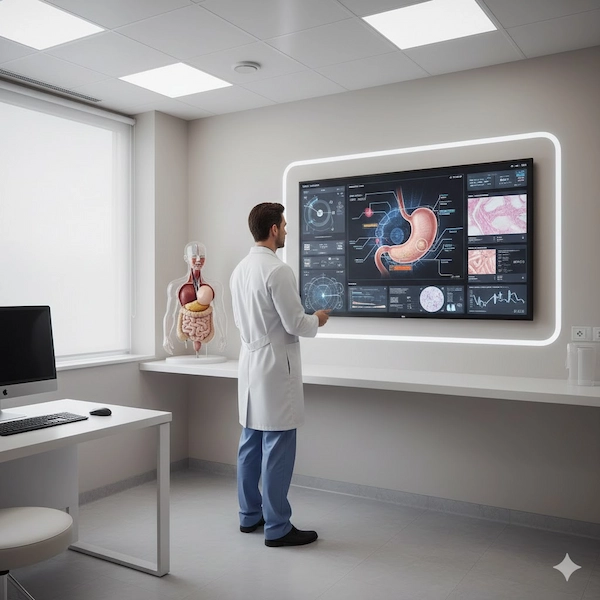
Gastroenterology is a branch of medicine that specializes in diagnosing, treating and preventing diseases that affect the digestive system, such as the esophagus, stomach, intestines, liver, gallbladder, and pancreas.
This specialty focuses on understanding the causes of digestive symptoms such as abdominal pain, acidity, bloating, constipation or diarrhea, and uses modern methods such as medical tests and gastrointestinal endoscopy to reach an accurate diagnosis and develop an appropriate treatment plan.
What organs of the digestive system does gastroenterology treat?
Gastroenterology treats all the organs responsible for digesting food, absorbing it, and eliminating waste. Include:
- esophagus: Responsible for transporting food from the mouth to the stomach.
- Stomach: It digests food and mixes it with digestive juices.
- Small intestine: Where most nutrients are absorbed.
- Large intestine (colon)Responsible for absorbing fluids and forming stool.
- Rectum and anus: They are responsible for removing waste from the body.
- Liver: It plays an important role in metabolism and blood purification.
- Bitterness: It stores bile and helps in digesting fats.
- Pancreas: It secretes digestive enzymes and hormones important for the digestive process.
A gastroenterologist is interested in diagnosing and treating diseases that affect these organs to maintain the overall health of the digestive system.
Read more about: What is the difference between irritable and digestive bowel symptoms?
What are the most common gastroenterology diseases?
The most common gastroenterology diseases include a wide range of conditions that affect the stomach, intestines, liver, and other organs of the digestive system. Among the most prominent:
- Esophageal refluxStomach acids return to the esophagus, causing heartburn and chest pain.
- gastritisIt occurs as a result of infection, excessive painkillers, or stress.
- Stomach and duodenal ulcers: Ulcers in the stomach wall or the beginning of the small intestine.
- Irritable bowel syndrome: A functional disorder that causes pain, bloating, and changes in excretion.
- Colon infections: Such as ulcerative colitis and Crohn's disease.
- Chronic constipation and chronic diarrheaCommon problems associated with various digestive disorders.
- Fatty liver: Accumulation of fat in the liver, often associated with obesity.
- Viral hepatitis: A viral infection that affects liver function.
- Gallstones: It leads to severe pain and problems digesting fats.
The gastroenterologist works to diagnose these diseases early and develop an appropriate treatment plan to maintain the health of the digestive system and avoid complications.
How are gastrointestinal diseases diagnosed?
Digestive system diseases are diagnosed through a set of medical steps that help the gastroenterologist accurately determine the cause, They include the following:
Medical history and clinical examination
Diagnosis begins by asking the patient about symptoms, their duration, severity, dietary habits and lifestyle, then performing a clinical examination of the abdomen.
Medical tests
These include blood, stool, and liver function tests, and are used to detect inflammation, anemia, infection, or digestive function disorders.
Radiological examinations
Such as ultrasound, CT scan, or MRI, to evaluate the stomach, liver, gallbladder, and pancreas.
Gastrointestinal endoscopy
It is considered one of the most accurate diagnostic methods, Include:
- Gastroscopy to examine the esophagus, stomach and duodenum
- Colonoscopy to diagnose colon and rectal diseases.
These tests help in taking samples (biopsies) when needed.
Specialized tests
Such as food allergy tests, stomach bacteria tests, or measuring esophageal acidity, depending on the patient’s condition.
This integration of examinations helps to reach an accurate diagnosis and develop an appropriate treatment plan for each case, which contributes to speedy recovery and prevention of complications.
The latest methods of treating gastrointestinal diseases
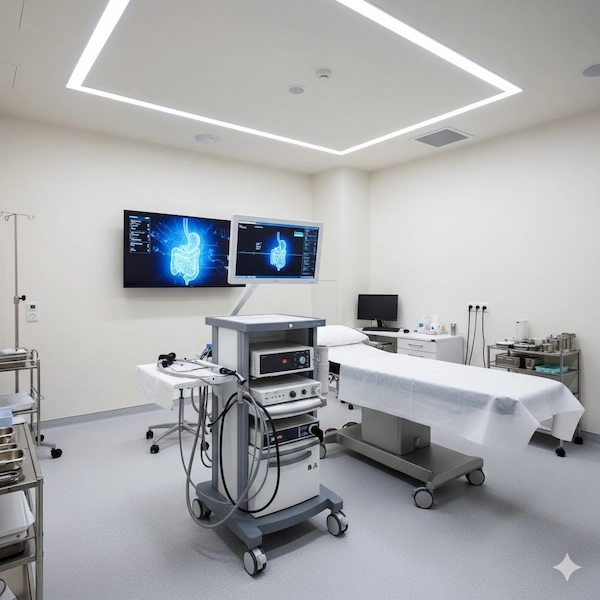
Here are the latest methods for treating digestive system diseases that rely on the progress of medicine and modern research to improve results and reduce symptoms and complications:
Targeted drug therapy
- Medications to reduce stomach acidity to treat reflux and stomach ulcers.
- Non-steroidal anti-inflammatory drugs with gastric protection when needed.
- Bowel control medications for constipation or diarrhea.
- Treatment of stomach bacteria (H. pylori) infection with combined antibiotics.
Immunotherapy and biological treatments
It is used in ulcerative colitis and Crohn's disease;
Advanced endoscopic treatment
- منظار الجهاز الهضمي العلوي والسفلي لتشخيص وعلاج بعض الحالات دون جراحة.
- Procedures such as laparoscopic removal of polyps and small tumors.
- Direct treatment of gastrointestinal bleeding during endoscopy.
Precision medicine and targeted therapy
Some cases benefit from treatments tailored to the genetics or type of inflammation, which increases the effectiveness of the treatment.
Microbial modification (prebiotics/probiotics)
Improving the balance of beneficial bacteria in the intestines to support digestion, reduce inflammation, and improve chronic symptoms.
Specialized nutritional therapy
Individual nutritional plans for conditions such as:
- Irritable bowel syndrome.
- Gluten or lactose sensitivity.
- Ulcerative colitis.
Advanced laparoscopic surgery
In complex cases (such as intestinal obstruction or tumors), minimally invasive surgical techniques are used to reduce pain and recovery time.
Smart monitoring and follow-up
Using advanced imaging and artificial intelligence techniques to read images and predict disease progression.
Modern treatment for gastrointestinal diseases is no longer limited to medications only, but rather includes advanced endoscopic techniques, precision medicine, nutritional changes, and treatments tailored to each case to improve results and reduce symptoms.
Learn more about: Symptoms of common gastrointestinal tumors and early warning methods
Tips for maintaining a healthy digestive system
To maintain the health of your digestive system and ensure its efficient functioning, there are a set of important tips that help prevent digestive problems and improve your quality of life, From her:
- Eat foods rich in fiber, such as fruits, vegetables, and whole grains, to facilitate digestion and prevent constipation.
- Drink enough water daily to improve bowel movement and soften it.
- Avoid fatty, spicy, and fried foods that may cause acidity and reflux.
- Eat small, frequent meals instead of large meals to reduce pressure on the stomach.
- Exercise regularly to stimulate movement Intestines Improving digestive health.
- Try to reduce stress and anxiety because they negatively affect the digestion process, and use relaxation and breathing exercises.
- Stay away from smoking and alcohol because they have a negative effect on the stomach wall and the health of the digestive system.
- Monitor any unusual or persistent digestive symptoms, and do not hesitate to visit a gastroenterologist for early examination.

When should you see a doctor specializing in gastroenterology?
It is important to pay attention to certain signs and symptoms that require seeing a doctor specializing in gastroenterology, because early diagnosis helps treat the problem effectively and avoid complications. Here are the most notable cases:
- When persistent or recurring abdominal pain does not improve with home treatment.
- In case of severe and frequent heartburn or acidity that affects daily life.
- When difficulty or pain occurs during swallowing.
- If you suffer from chronic bloating and gas that cause you discomfort.
- If you have constipation or diarrhea that persists for more than two weeks.
- When you notice a change in stool color or the presence of blood in it.
- If unexplained weight loss or significant loss of appetite occurs.
- When you feel frequent nausea or vomiting for no apparent reason.
- If you suffer from general fatigue accompanied by chronic digestive symptoms.
- When there is pain in the upper right part of the abdomen, it may indicate problems with the liver or gallbladder.
These signs are important and should not be ignored, because early diagnosis helps in effective treatment and prevention of complications.
Conclusion
In the end, digestive health is the key to an active and comfortable life, and paying attention to minor symptoms and not ignoring them helps you prevent bigger problems.
Remember that early diagnosis and correct treatment are the secret to success in maintaining a healthy digestive system.
Do you need to consult a specialist doctor? Book your appointment With the best gastroenterologists in Almoosa Specialist Hospital To accurately monitor and diagnose your condition, the health of your digestive system deserves the utmost care. Start today with a simple step towards a healthy life!
Gastroenterology FAQs
Is gastrointestinal endoscopy painful?
The procedure is usually performed under light anesthesia or sedation, so the patient does not feel much pain.
Can children visit a gastroenterologist?
Yes, there are doctors who specialize in pediatric gastroenterology for proper diagnosis and treatment.
What are the preparations before performing a gastrointestinal endoscopy?
Fasting for a specific period and bowel cleansing are usually required depending on the type of endoscopy.
Does gastroenterology affect obesity problems?
Yes, some gastroenterologists help evaluate and treat obesity-related problems with the digestive system.
What is the relationship between the digestive system and mental health?
There is a strong connection between digestive health and stress or anxiety, as the psychological state affects digestion and vice versa.
