
Many people suffer from annoying digestive problems, which begin with recurrent heartburn or vague pain in the upper abdomen, and may develop into more severe symptoms such as nausea or difficulty swallowing. In such cases, traditional tests alone or giving treatments without a diagnosis are not sufficient. Rather, a more precise examination is required that helps uncover the true cause of the symptoms.
What is gastroscopy?
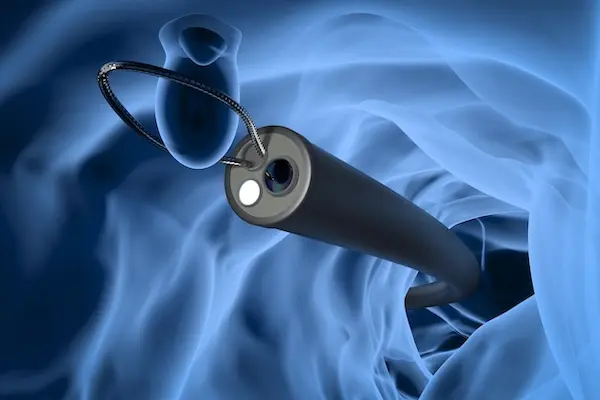
Gastroscopy is a simple medical procedure in which the doctor uses a thin, flexible tube with a small camera at the end, which is inserted through the mouth to reach the esophagus, stomach, and the beginning of the small intestine (duodenum).
The doctor inserts this thin tube through the mouth after numbing the throat, so that he can see the internal tissues on a screen in front of him with high accuracy.
Al Mousa Specialist Hospital provides gastroscopy service with the highest standards of medical and technical quality, under the supervision of an elite group of specialized gastroenterologists.
Reasons for performing gastroscopy
The doctor uses the endoscope in certain cases in which the endoscope is necessary to interpret the symptoms that the patient is suffering from. Among the most prominent symptoms that prompt the doctor to request a gastroscope from the patient are:
Persistent and recurring stomach pain
The presence of recurring pain in the upper abdomen that does not respond or improve with medications, and recurs for a long time without a clear cause, and the pain is so severe that it wakes the patient from sleep.
These pains may be the result of a stomach or duodenal ulcer, chronic inflammation of the stomach lining, or even stomach tumors.
Chronic heartburn or acid reflux
Feeling a constant burning sensation in the chest or throat, and feeling heartburn after eating, may lead the doctor to suspect esophageal reflux.
The doctor uses the endoscope to evaluate the extent to which the esophagus is affected by acids, and to ensure that there are no ulcers or changes in cells such as “Barrett’s esophagus,” which is a condition that requires follow-up to avoid its complications.
Difficulty or pain during swallowing persists
When a patient complains of feeling a blockage in the throat or esophagus, which appears when swallowing food or drink, there may be:
- Stenosis resulting from chronic inflammation or reflux.
- A tumor or object pressing on the swallowing tract.
- Muscle spasm in the esophageal muscle.
Here, the doctor can use the scope to examine the area and find out the cause of the blockage, and he may use the scope itself to perform dilatation if possible.
Repeated nausea or vomiting
When nausea or vomiting persists for days and weeks without a clear explanation, and does not respond to medications, the cause may be:
- Large stomach ulcer.
- Partial obstruction of the lower outlet of the stomach.
- Chronic inflammation of the stomach or duodenum.
- Or the presence of a tumor or motor dysfunction.
Then the endoscope is the most appropriate way to see what is happening inside the stomach and accurately diagnose the cause.
Vomiting accompanied by blood
The doctor uses an endoscope to precisely locate the bleeding and find out its cause.
Also learn about: Gastric balloon.. Everything you need to know about the advantages and disadvantages
The presence of blood in the stool or black stool
The color of blood in the stool varies depending on the location of the bleeding. If the blood is observed to be black and tar-like, bleeding in the stomach or beginning of the small intestine is suspected.
Loss of weight and appetite for no apparent reason
If weight is lost rapidly without following a diet or clear change in lifestyle, or if appetite suddenly decreases, the doctor may request a gastroscopy to find out the cause, which may be the presence of chronic ulcers, tumors, or infections in the stomach or esophagus.
Unexplained anemia
When a blood test shows the presence of anemia resulting from iron deficiency without obvious external bleeding, the reason may be the presence of simple, continuous bleeding in the stomach due to chronic ulcers or tumors.
Follow-up of previous stomach diseases
Sometimes the specialist requests an endoscopy to monitor the development of previous conditions and to monitor the body’s response to treatment.
Taking samples from the stomach
Your doctor may want to take small samples (biopsies) of the stomach lining for analysis, to check:
- The presence of Helicobacter pylori bacteria or stomach bacteria (H.Pylori).
- Detection of abnormal or cancerous cells.
- Determine the type of inflammation accurately.
When should a gastroscopy be performed?
It is recommended to perform a gastroscopy when a person suffers from persistent or unexplained symptoms in the upper digestive system, such as recurring stomach pain, severe acidity, chronic nausea, or difficulty swallowing.
The decision to perform an endoscopy comes after evaluating the condition and ensuring that the examination is necessary for an accurate diagnosis.
Book your consultation now at مركز أمراض الجهاز الهضمي At Al Mousa Specialist Hospital.
Steps for performing gastroscopy
- Preparation before the procedure
Before starting the procedure, the doctor asks the patient to stop eating and drinking for several hours until the stomach is empty. The patient and the doctor know the necessary data, your medical history, and the medications you are taking before the procedure.
- Getting ready in the waiting room
The patient is asked to lie on his left side, and the doctor or nurse gives the patient a mild sedative to help him relax, along with a throat numbing spray to reduce discomfort.
In some cases, the patient is given an intravenous sedative to help him relax or sleep lightly during the examination.
- Insertion of the endoscope
The specialist places a small piece of plastic between the teeth and the speculum to protect the mouth and the speculum. The doctor then inserts a thin, flexible tube through the mouth that contains a small camera that sends a clear image to the doctor on an external screen. The patient is asked to breathe slowly and calmly to reduce discomfort.
- Examination and sampling
The doctor examines the esophagus, stomach, and beginning of the intestines. The doctor looks for ulcers, infections, bleeding, polyps, or foreign bodies, and may take small samples (biopsies) if necessary.
- End the procedure
The operation takes about a quarter of an hour, and the patient returns home the same day after a short period of observation.
Tips before performing gastroscopy
To ensure that the stomach endoscopy is performed in a safe and effective manner, a number of important instructions must be adhered to before the examination.
- You must stop eating and drinking for at least 6 to 8 hours before the appointment scheduled by the doctor for the endoscopy, until the stomach is empty.
- If you are taking daily medications, such as blood pressure, diabetes, or blood thinners, you must inform your doctor in advance, as they may be required to be modified or postponed.
- It is also preferable to wear comfortable clothes, and to come accompanied by a companion, because you may need to rest after the examination due to the sedation.
Learn about: Symptoms of stomach bacteria Your comprehensive guide to understanding your health condition
Complications of gastroscopy
Gastroscopy is a very safe examination, and is performed daily on thousands of patients without problems. However, like any medical procedure, rare complications may occur, especially if there is interference during the examination such as taking a biopsy or stopping bleeding. Among the possible complications:
- Feeling bloated or temporarily nauseous after the examination.
- Mild sore throat as a result of inserting the endoscope.
- Minor bleeding if a tissue sample (biopsy) is taken.
- It is very rare for a perforation to occur in the wall of the stomach or esophagus.
If, after the endoscopy, the patient feels severe pain in his stomach or esophagus, vomits blood, or shortness of breath, he must quickly go to the doctor and tell him about the symptoms.
What diseases does gastroscopy detect?
The endoscope helps doctors accurately diagnose a large number of diseases of the upper digestive system, because it shows the tissues from the inside. Among the most important diseases that the endoscope helps a lot in diagnosing are:
- Stomach or duodenal ulcer
The endoscope can determine the presence of ulcers inside the stomach or the beginning of the intestine, and in addition, it helps in accurately assessing their severity and location.
- Gastritis
The endoscope shows signs of inflammation such as redness and swelling in the stomach lining, and samples may be taken for analysis.
- Esophageal reflux disease (GERD) and its complications
The endoscopy detects damage to the lining of the esophagus caused by acid reflux, such as ulcers or changes known as “Barrett’s esophagus.”
- Polyps or benign tumors
Any abnormal growths may be seen within the stomach or duodenum, and a biopsy may be taken for analysis.
- Stomach or esophageal cancer
An endoscope is an essential tool for detecting cancer early, and is used to collect samples for laboratory testing (biopsy).
- Esophageal varices
It occurs most often in patients with liver disease, and endoscopy is used to diagnose it and sometimes to treat it (such as ligation of varicose veins).
- Internal bleeding
An endoscopy can identify the source of bleeding in the upper gastrointestinal tract, such as a bleeding ulcer or a ruptured blood vessel.
- Narrowing or obstruction
An endoscope helps detect a stricture caused by chronic inflammation or a tumor that may be blocking the passage of food.
- Diagnosis of stomach bacteria infection
Gastroscopy is used as one of the methods for diagnosing Helicobacter pylori (H.Pylori) or Helicobacter pylori infection, and seeing the extent of its damage to the wall of the stomach and esophagus, from gastritis to ulcers.
Frequently asked questions
Is gastroscopy painful?
The gastroscopy procedure is not literally painful, but it may be a little uncomfortable, causing discomfort or pressure on the throat or upper abdomen for some people, especially at the stage of inserting the tube through the mouth and throat.
The patient may feel an urge to vomit or feel nauseous while inserting the tube, but these are brief moments.
How long does a gastroscopy take?
It may take about 30 minutes to an hour from the time you enter the endoscopy room until you leave, but this includes preparing the patient before the endoscopy, such as installing a cannula, and giving a local anesthetic or sedative.
In some cases, if the doctor needs to take samples from the stomach or esophagus or treat a problem within either, it may take a little longer.
When do the gastroscopy results appear?
In most cases, the initial result appears immediately after the endoscopy. The doctor writes the report or tells the patient the condition of the stomach, esophagus, and duodenum and what he saw during the examination, such as the presence of infections, ulcers, or reflux.
However, if the doctor takes endoscopic biopsies, he tells the doctor that he needs to conduct a laboratory examination of them, and their analysis may take approximately 3 to 7 days, depending on the procedure followed in the laboratory.
In conclusion, after learning about gastric endoscopy, the reasons for performing it, its steps, and its benefits, we confirm that this examination is one of the most important medical methods for diagnosing digestive system diseases accurately and safely.
المصادر:
What is a gastroscopy – NHS
What is a gastroscopy – healthdirect
