
Some people may suffer from high blood pressure for years without feeling any distinct symptoms, which increases the possibility of them suffering from serious health problems, such as: stroke or heart attack. Follow this article with us to learn the most prominent symptoms, what to do, and how to diagnose and treat them at Al Mousa Specialist Hospital.
What is high blood pressure?
It is one of the chronic diseases in which the force of the heart pumping blood through the walls of the arteries is constantly high.
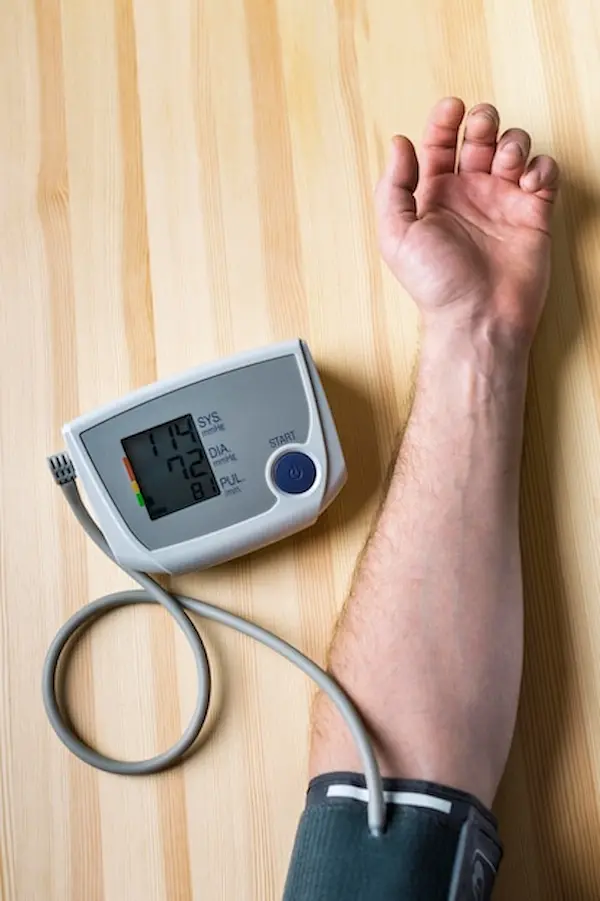
Blood pressure is measured by two numbers: the upper number, or systolic, represents the pressure in the arteries when the heart contracts to pump blood, and the lower number, or diastolic, represents the pressure in the arteries when the heart relaxes between beats.
Blood pressure is measured in millimeters of mercury (mmHg), where normal blood pressure is less than 120/80 mmHg, while high blood pressure is 130/80 mmHg or higher.
Causes of high blood pressure
High blood pressure is a common condition that can have many causes, which depend on the type of high blood pressure, as it is divided into two main types:
-
Primary or essential hypertension
In most cases, there is no specific cause and it tends to develop gradually over many years, but several factors contribute to essential high blood pressure, including:
- Age: With age, the risk of developing high blood pressure increases.
- Having a family history of high blood pressure.
- Obesity or overweight: Increases the risk of developing high blood pressure.
- Lack of physical activity.
- Follow a diet rich in salt: Eating too much salt leads to an increase in blood pressure.
- Excessive drinking of alcohol.
- التدخين.
- Chronic stress and anxiety.
-
Secondary hypertension
It results from an underlying medical condition. Some common causes of secondary high blood pressure include:
- Kidney disease: Because it affects the body's ability to regulate blood pressure.
- Sleep apnea.
- Thyroid problems.
- Adrenal tumors.
- Taking some medications: such as birth control pills and decongestants.
- Congenital defects in blood vessels.
- داء السكري.
- High cholesterol and atherosclerosis.
Symptoms of high blood pressure
Usually, there are no clear symptoms of high blood pressure, so it is called a silent disease, but some symptoms may appear if the blood pressure is very high. Common symptoms of high blood pressure include:
- Headache, which may be mild or severe, pulsating or constant.
- Dizziness or lightheadedness, especially when standing.
- Shortness or difficulty breathing, especially upon exertion.
- Nosebleeds may occur in cases of severe high blood pressure.
- Confusion, blurred vision, or blurry vision.
- Chest pain or pressure.
- Palpitations, acceleration, or irregular heartbeat.
- Fatigue and exhaustion for no apparent reason.
- Tinnitus.
While rare symptoms of high blood pressure include the following:
- Nausea and vomiting in cases of severe high blood pressure.
- Mental confusion, difficulty concentrating, or confusion.
- Very severe attacks of high blood pressure.
- Loss of consciousness in case of severely high blood pressure.
- Appearance of blood spots in the eyes.
Book your consultation now at مركز الرعاية الأولية At Al Mousa Specialist Hospital
Diagnosis of high blood pressure
Diagnosing high blood pressure includes several steps at Al Mousa Specialist Hospital to ensure accurate measurement and diagnosis, which are as follows:
- Repeated measurement of blood pressure at different times to ensure that it remains high. The measurement must be repeated two or three times with an interval of one minute between each measurement. Normal blood pressure is classified as less than 120/80 mmHg, while the pre-high blood pressure stage: 120-129/less than 80 mmHg, the first stage of high blood pressure: 130-139/80-89 mmHg, and the second stage of high blood pressure:
- Medical history, where the doctor asks about the family history of high blood pressure and heart disease, the symptoms he suffers from, and his lifestyle, including diet, physical activity, smoking and drinking alcohol, as well as the medications he takes.
- Physical examination, where the doctor examines the heart and blood vessels, as well as the eyes to look for signs of blood vessel damage, and examines the kidneys.
- Laboratory tests, including blood tests to check kidney function, cholesterol and blood sugar levels, and urinalysis to check kidney function.
- Electrocardiogram (ECG), to measure the electrical activity of the heart and detect signs of heart damage
- 24-hour ambulatory blood pressure monitoring, where the patient wears a small device that records blood pressure periodically throughout the day and night.
Treatment of high blood pressure
Treatment of high blood pressure at Al Mousa Specialist Hospital depends on several factors, including the severity of high blood pressure, the presence of other risk factors, and the patient’s general health condition, and treatment usually includes lifestyle changes and medications.
- Lifestyle changes
- Follow a healthy diet rich in fruits, vegetables, whole grains, and lean proteins, and limit the intake of salts and saturated and trans fats.
- Regular physical activity and moderate exercise for at least 30 minutes most days of the week, such as brisk walking, jogging, swimming and cycling.
- Maintain a healthy weight and lose excess weight.
- Quit smoking and alcohol.
- Manage stress, learn relaxation techniques such as yoga and meditation.
- Continuously monitor and measure blood pressure at home to track the progress of treatment.
- Treating high blood pressure with medications
- Diuretics, because they help get rid of excess sodium and water from the body.
- Angiotensin-converting enzyme (ACE) inhibitors, which help dilate blood vessels.
- Angiotensin II receptor blockers: They also help dilate blood vessels.
- Beta blockers: They help slow the heart rate and reduce the pumping power of the heart.
- Calcium channel blockers, to help relax blood vessels.
يمكنك قراءة Blood pressure medications: When do you use them and how do you choose?
We, doctors at Al Mousa Specialist Hospital, advise you to follow up and undergo periodic examination regularly to monitor your blood pressure, adjust treatment as needed, and adhere to the treatment line and all doctor’s instructions to avoid serious complications of high blood pressure.
Complications of high blood pressure
Neglecting to treat high blood pressure can lead to serious, life-threatening complications. The most important of these complications include the following:
- Exposure to heart attacks, as high blood pressure increases the risk of atherosclerosis, which reduces blood flow to the heart, which leads to a heart attack.
- Stroke, resulting from rupture or blockage of blood vessels in the brain.
- Heart failure, due to the heart working harder to pump blood. Over time, the heart weakens and fails to pump blood efficiently.
- Heart enlargement, due to increased thickness of the heart walls, which may lead to heart failure.
- Dilation of blood vessels as a result of their weakening due to high blood pressure.
- Coronary artery disease, resulting from narrowing and damage.
- الفشل الكلوي.
- Vision problems or even blindness.
- Retinopathy and optic neuropathy.
- Erectile dysfunction, where high blood pressure can affect blood flow to the reproductive organs.
- Damage to the blood vessels in the legs, leading to pain when walking.
- Increased risk of diabetes.
- Increased risk of pregnancy complications such as preeclampsia.
Frequently asked questions
What should be done when blood pressure is high?
هناك بعض الإجراءات الفورية التي يجب اتخاذها لخفض ضغط الدم المرتفع وتجنب المضاعفات الخطيرة له، وهي كالآتي:
- Measure blood pressure to ensure it is high, either at home, or going to the nearest pharmacy or health center to measure it.
- Sit and relax in a quiet and comfortable place and breathe deeply and slowly.
- If you are taking blood pressure medications, be sure to take the dose prescribed to you. Do not take any medication without consulting your doctor.
- Call your doctor immediately if your blood pressure is very high, above 180/120 mmHg.
- If you have other symptoms such as chest pain or shortness of breath, seek emergency medical help.
How do you know that blood pressure is high?
The only sure way to know if your blood pressure is high is to measure it with a blood pressure monitor. The pressure is considered high if it is 130/80 mmHg or higher.
What is the fastest thing that reduces pressure?
The quickest solution to lowering high blood pressure is to take your blood pressure medications prescribed by your doctor, but if you forget your blood pressure medications, you can follow these procedures to lower your blood pressure:
- Sit in a quiet, comfortable place and breathe deeply and slowly.
- Try to relax and avoid stress.
- Drink enough water to prevent dehydration, which raises blood pressure.
- Eat some foods, such as bananas and sweet potatoes, as they contain potassium, which helps lower blood pressure.
- Drink hibiscus because it helps lower blood pressure naturally.
- Eat dark chocolate because it contains flavonoids that can help dilate blood vessels and lower blood pressure.
When do we worry about high blood pressure?
If you have high blood pressure, you should worry about the following cases:
- Severe high blood pressure: That is, when the blood pressure measurement exceeds 180/120 mmHg, this is an emergency condition that requires immediate medical attention, because it leads to serious complications such as stroke or heart attack.
- If accompanying symptoms appear, such as: chest pain, shortness of breath, severe headache, blurred vision, numbness or weakness in the arm or leg, or difficulty speaking.
- Persistent high blood pressure: If your blood pressure measurement is high on several different occasions, this indicates chronic high blood pressure that increases the risk of cardiovascular and kidney disease.
- If you have other risk factors for cardiovascular disease, such as diabetes, high cholesterol, smoking, or a family history of heart disease.
- Failure to respond to treatment: If you are taking medications to lower blood pressure, but your blood pressure is still high, you should consult a doctor. You may need to adjust the dose of the medication or change its type.
In conclusion, the importance of early diagnosis of high blood pressure is to help prevent serious complications such as stroke, heart attacks, and kidney failure.
If you suffer from high blood pressure, do not hesitate to contact us at Al Mousa Specialist Hospital for more information, inquiries, and reservations at the best clinics in the region. Call us on our numbers listed on the website.
Sources and references
Understanding Blood Pressure Readings – American Heart Association
What Is High Blood Pressure – National Heart, Lung, and Blood Institute
