
Hyperpigmentation is a common skin condition that appears when skin cells produce the pigment melanin in larger quantities than normal, leading to the appearance of spots or dark areas on the surface of the skin. This change in color is often harmless, but it may affect the general appearance of the skin and cause psychological discomfort for some. Understanding its causes and types is the first step towards preventing it or treating it correctly.
What is hyperpigmentation
Hyperpigmentation is the appearance of dark areas on the skin as a result of increased production of melanin pigment. This occurs for various reasons, including excessive exposure to the sun, hormonal changes, and skin infections of all kinds, melasma, which appears as brown or gray spots on the face, sunspots resulting from exposure to the sun, and post-inflammatory hyperpigmentation that follows skin injuries. This condition can be prevented by using sunscreen and avoiding prolonged exposure to the sun.
Causes of hyperpigmentation
Hyperpigmentation is a condition characterized by the appearance of dark spots on the skin as a result of increased production of melanin. The causes of this condition are varied and vary depending on the influencing factors. The most important of these causes are the following:
- Excessive exposure to sunlight: Long and continuous exposure to sunlight is one of the main causes of hyperpigmentation, as ultraviolet rays stimulate melanocytes to produce more melanin as a way to protect the skin. This excess production leads to the appearance of dark spots, especially in areas most exposed to the sun, such as the face and hands.
- Hormonal changes: Changes in hormone levels play an important role in the occurrence of hyperpigmentation. This clearly appears in cases such as pregnancy or when using hormonal contraceptives, as these changes lead to increased melanin production, causing the appearance of dark spots known as melasma.
- Skin infections and injuries: After the skin is exposed to infections or injuries, such as acne or eczema, post-inflammatory hyperpigmentation may occur. During the healing process, the skin produces additional amounts of melanin, leading to the appearance of dark spots in the affected areas.
- Taking certain medications: Some medications can cause increased skin pigmentation as a side effect. Among these medications are antimalarials and tricyclic antidepressants. These medications stimulate the production of melanin or the deposition of other pigmented substances in the skin.
- Medical diseases and disorders: There are some medical conditions that are associated with hyperpigmentation. For example, Addison's disease causes a defect in the function of the adrenal gland, which leads to increased melanin production and the appearance of dark spots on the skin.
- Aging: With the passage of time, the number of melanin-producing cells decreases, but the remaining cells increase in size and their distribution becomes more concentrated. This leads to the appearance of dark spots known as age spots, especially in people over 40 years of age.
Types of hyperpigmentation
Hyperpigmentation is a condition in which the skin appears darker as a result of increased production of melanin. There are several main types of hyperpigmentation, including the following:
- Melasma: Melasma appears in the form of brown or gray spots on the face, especially the cheeks, bridge of the nose, forehead, and upper lip, and sometimes on other parts of the body. It is believed that melasma is caused by hormonal changes, such as those that occur during pregnancy or when using hormonal contraceptives, and it is more common among women.
- Sun spots: Also known as liver spots or solar lentigo, these spots appear as a result of prolonged exposure to sunlight, especially in areas exposed to the sun, such as the face, hands, and shoulders. These spots are flat and brown or black in color.
- Post-inflammatory hyperpigmentation: This type occurs after a skin infection or wound, such as acne or eczema. After healing, the inflammation leaves dark spots on the skin, and it can appear anywhere on the body.
- Freckles: Small brown spots that usually appear on the face. Freckles are hereditary and become more apparent with exposure to sunlight.
- Age spots: These spots usually appear in older people and are associated with aging and exposure to sunlight. They are flat and brown in color and often appear on the face and hands.
Read also: Teeth stains in children | الأسباب والأعراض والعلاج
Symptoms of hyperpigmentation
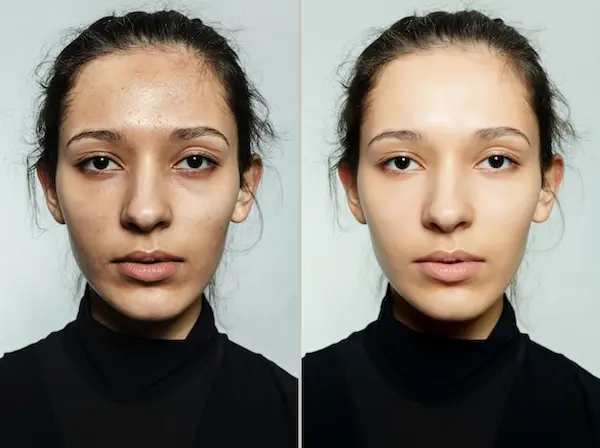
Symptoms of hyperpigmentation often appear in the form of dark spots, and vary in severity from one person to another. The most important symptoms in detail are the following:
- The appearance of spots or areas darker than the normal skin color. These spots may be small in size or widespread.
- These spots are mostly concentrated in sun-exposed areas such as the face, hands, neck and shoulders.
- The color of the spots ranges from light brown to dark brown or sometimes even black, depending on the type and cause of pigmentation.
- Uneven skin color appears in general without clear spots, meaning some parts of the skin appear darker than others.
- Hyperpigmentation is often not accompanied by any pain or itching unless it is caused by a previous injury or skin infection.
- The texture of the skin in the affected areas remains normal in most cases with no change in thickness or texture.
- The condition worsens over time if appropriate preventive measures are not taken, especially in the case of continuous exposure to sunlight.
Hyperpigmentation treatment at Al Mousa Hospital
Hyperpigmentation is the appearance of dark spots on the skin, and the high percentage of melanin pigment is the reason for this. Treatment methods vary between using topical treatments and cosmetic techniques. The most important of these methods are the following:
Topical treatments
Creams that contain effective substances are used to lighten dark spots. The most important of these substances are the following:
- Hydroquinone: It is considered one of the most commonly used substances to lighten the skin and works to reduce melanin production. It must be used under medical supervision to avoid possible medical side effects.
- Tretinoin and corticosteroids: These substances are used to improve the effectiveness of hydroquinone and lighten the skin. They can be used alone or combined in a triple cream.
- Azelaic acid, kojic acid, and vitamin C: These substances help reduce pigmentation and lighten skin tone.
Cosmetic techniques
If topical creams are not effective, some cosmetic procedures can be used, including the following:
- Chemical peeling: Uses acids to remove the outer layers of damaged skin, allowing new, healthier skin to grow.
- Microdermabrasion: A special device is used to remove the surface layer of skin, which stimulates the growth of new cells.
- Laser treatment: Lasers precisely target dark spots, helping to destroy hyperpigmentation cells without harming the surrounding skin.
- Intense pulsed light (IPL) therapy: It uses intense light to target and break up skin pigmentation, helping to lighten it over time.
Natural and home remedies
In addition to medical treatments, some natural materials can be used to reduce pigmentation, such as:
- Aloe vera gel: It contains compounds that help lighten dark spots.
- Apple cider vinegar: It contains acetic acid, which may lighten pigmentation when used with caution.
- Green tea: It is believed to have properties that help lighten the skin.
Book your consultation now at مركز الجلدية والتجميل At Al Mousa Specialist Hospital.
What are the triggers of hyperpigmentation?
Hyperpigmentation triggers are factors that lead to increased production of melanin pigment in the skin, causing darker areas to appear compared to the natural skin color. The following are the most important of these triggers:
- Some cosmetics, especially those containing irritating substances or strong perfumes, may irritate the skin, which stimulates melanocytes to produce more melanin as a defensive reaction.
- Exposure to high heat, whether through cooking, saunas, or thermal devices, may cause stimulation of melanocytes, especially in people with sensitive skin.
- Some products used to lighten the skin may lead to the opposite result if used in high concentrations or without medical supervision, leading to superficial infections that result in pigmentation.
- Friction resulting from tight clothing, the hijab, shaving, or frequent rubbing of the skin can cause slight inflammation, which over time leads to pigmentation, especially in the neck, under the armpits, and between the thighs.
- Exposure to some chemicals in the work or home environment, such as detergents or industrial materials, may lead to skin irritation and thus stimulate pigmentation.
- Vitamin B12 and folic acid deficiency are triggers that may lead to skin disorders, including pigmentation, especially if the deficiency is chronic.
- Constant stress may indirectly affect the hormonal balance in the body, which is reflected in the activity of melanocytes and thus the appearance of pigmentation in some people.
- Not getting enough sleep may lead to skin fatigue and disruption of its natural functions, which contributes to an imbalance in melanin production.
Learn about: Carbon laser for pigmentation I for vibrant skin
How do I prevent hyperpigmentation?
To prevent hyperpigmentation, it is recommended to follow the following instructions:
- Use sunscreen daily: It is preferable to choose a broad-spectrum sunscreen with an SPF of no less than 30, even on cloudy days, to protect the skin from ultraviolet rays that stimulate melanin production.
- Avoid direct exposure to sunlight: It is recommended to stay away from the sun during peak hours, and wear protective clothing such as hats, sunglasses, and long-sleeved clothes when going out.
- Avoid touching or scratching the affected skin: Refraining from touching pimples or wounds helps prevent skin infections that may lead to permanent pigmentation.
- Follow a healthy diet: Eating foods rich in antioxidants and vitamins, such as fruits and vegetables, supports skin health and reduces the risk of pigmentation.
- Use appropriate skin care products: Choose products that contain ingredients such as vitamin C and niacinamide, which help unify skin tone and reduce pigmentation.
- Good skin hydration: Keeping the skin hydrated using appropriate moisturizers supports the skin's natural barrier and reduces the possibility of pigmentation.
- Avoid using products that irritate the skin: Stay away from products that contain harsh chemicals or perfumes that may cause skin irritation and lead to pigmentation.
- Treat skin conditions immediately: Treating skin conditions such as acne or eczema quickly reduces the chances of subsequent discoloration.
Frequently asked questions
How do I know if I have hyperpigmentation?
To find out if you suffer from hyperpigmentation, watch for the appearance of dark spots on the skin that are darker than the natural color of the skin. These spots vary in size and shape and often appear in areas exposed to the sun, such as the face and hands. If you notice these changes, it is advisable to consult a dermatologist for accurate evaluation and diagnosis.
How do I stop hyperpigmentation?
To stop hyperpigmentation, use daily sunscreen with an appropriate protection factor, avoid direct exposure to the sun, wear protective clothing, treat skin diseases immediately, avoid touching or scratching the affected areas, use lightening creams under medical supervision, and take care of your skin with appropriate products.
How do I treat hypermelanin?
To treat hypermelanin, it is recommended to use topical creams containing hydroquinone or retinoids to lighten dark spots. Techniques such as chemical peeling and laser treatment can also be used to remove pigmentation. Using sunscreen daily is necessary to prevent the condition from worsening.
What is the reason for the abundance of melanin in the body?
The increase in melanin production in the body is due to several factors, including excessive exposure to sunlight, hormonal changes such as pregnancy, skin infections, some medications, and diseases such as Addison's disease. These factors stimulate melanocytes to produce larger amounts of melanin, causing dark spots to appear on the skin.
In the end, hyperpigmentation is a common skin problem, but it is not serious, and it can be dealt with easily if its causes are identified early and a commitment to prevention and proper skin care, whether through protection from the sun or using appropriate treatments under specialized medical supervision, and with awareness and regular attention to skin health, pigmentation can be reduced and a uniform skin tone maintained and a healthy, bright appearance can be achieved.
Sources and references
What to know about hyperpigmentation – medicalnewstoday
What You Should Know About Hyperpigmentation – healthline
