
After undergoing rhinoplasty, the recovery phase comes, and the role of the internal nasal splint is to achieve satisfactory results. It stabilizes the inner walls of the nose, prevents tissue adhesions, and contributes to reducing swelling and ensuring that the channels remain open. This splint is an internal support that no one can see, but it guarantees you stability of shape and improved breathing at the same time. In the following lines with Al Mousa Specialist Hospital, we will discuss what the internal nasal splint is, how to use it, its benefits, and when it should be removed, in addition to important tips to ensure
What is an internal nasal splint?
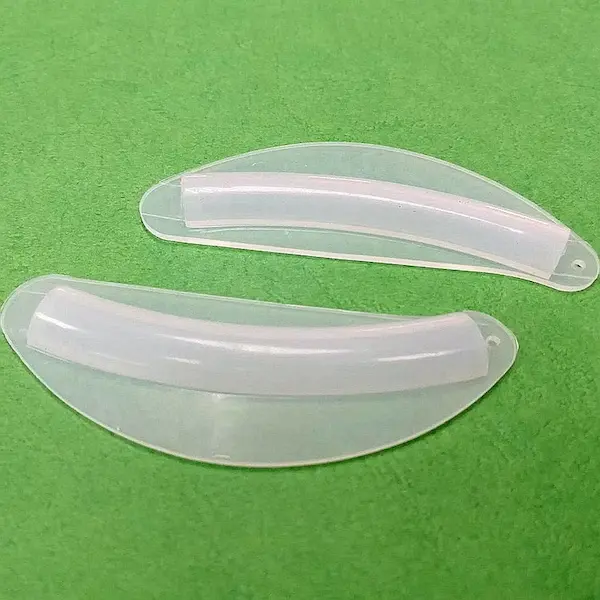
The internal nasal splint is the small-sized medical tool that is used to stabilize the inside of the nasal cavity after nasal surgeries, such as rhinoplasty or nasal septum repair. It is made of medical silicone or flexible plastic, which ensures its comfort and does not irritate the mucous membranes. Its design varies according to the purpose. There are types that contain small openings that allow air to pass through, and others designed to stabilize the cartilage more, and its main goal is to maintain the stability of the internal structures and prevent any deviation or twisting during the recovery period, in addition to
Learn about: Symptoms of nose fractures Various diagnostic and treatment methods
When is an internal nasal splint used after operations?
The internal nasal splint is used in several cases, most notably after rhinoplasty, surgery to correct the nasal septum, or even after treating fractures resulting from injuries. After surgery, the nose is vulnerable to movement or deviation as a result of swelling or external pressure. Here comes the importance of the splint in stabilizing the internal tissues. It is also used in some cases in which the airway is narrow, as it helps keep the passages open temporarily. Doctors may also recommend it after removing tumors or polyps to ensure that the nasal cavity remains straight and no obstruction occurs during the operation.
How long does an internal nasal splint last?
The duration of wearing an internal splint varies depending on the medical condition and type of operation. In most cases, the splint remains for 5 to 14 days, and may extend to 3 weeks if the operation is complex or if there is a need for additional support. The doctor determines the duration based on the speed of tissue healing and the stability of internal structures. It is important to adhere to the specified times for removing it, because keeping it on for longer than necessary may cause the accumulation of secretions or difficulty breathing.
Tips after installing an internal nasal splint
After installing the splint, doctors advise avoiding cleaning the nose vigorously or inserting any tools inside it. You should sleep with your head slightly elevated to reduce swelling, and avoid extreme physical exertion or bending forward. It is also preferable to use a saline solution to gently wash the nose according to the doctor’s instructions, and avoid direct exposure to dust or strong odors. It is also recommended not to try to remove the splint yourself so that the tissues are not exposed to damage or bleeding.
The role of internal nasal splint in improving breathing and shape
The internal splint helps keep the airways open, which contributes to improving breathing immediately after the operation. It also prevents any deviation in the nasal septum during recovery. It maintains symmetry between the two sides of the nose. From an aesthetic standpoint, it contributes to stabilizing the shape that the surgeon worked on, and reduces the possibility of deformities or sprains occurring in the future.
Book your consultation now at قسم الأنف والأذن والحنجرة At Al Mousa Specialist Hospital.
Is an internal nasal splint necessary for all rhinoplasty cases?
Not all rhinoplasty operations require an internal splint. In simple operations or those that do not include modification of the nasal septum, the doctor may be satisfied with the external splint only, but in operations that include modification of internal bones or cartilage, or that aim to treat breathing problems, the internal splint becomes necessary to ensure the success of the result.
Frequently asked questions
When is the internal nasal splint removed?
The internal nasal splint is removed after rhinoplasty or nasal septum repair within a period ranging from 5 to 14 days. The exact timing depends on the speed of tissue healing, the patient’s health condition, and the type of operation that was performed. The doctor examines the nose to ensure the stability of the new shape and improved breathing before removal. This is done in the hospital using special tools and in a safe manner to avoid any damage or bleeding, while giving the patient instructions for taking care of the nose after removing the splint to ensure continued results.
Is internal nasal splint painful?
The internal nasal splint itself does not cause severe pain in most cases, but the patient may feel some discomfort or pressure inside the nose as a result of its presence, especially in the first days after the operation. The level of sensation varies from one person to another depending on the sensitivity of the nose and the type of splint used. When removing it, some feel a slight tingling or strange sensation for a moment. The procedure is often done quickly and in a safe manner in the clinic, and the doctor can use moisturizing materials or a local anesthetic to reduce any feeling of discomfort.
Nose splint How long do you sit?
The internal nasal splint usually remains for a period ranging from one to two weeks after the operation, and the doctor determines the appropriate period based on the speed of tissue healing, the type of surgery, and the extent of the nose’s need for internal support. In some simple cases, it may be removed after only 5 days, while in complex operations or repair of large deformities, it may remain for a longer period, and the goal of its remaining is to stabilize the bones or cartilage and keep the airway open until recovery is safely complete.
Book your appointment now at Al Mousa Specialist Hospital to benefit from the latest techniques and formulations for internal nasal splints under the supervision of a specialized medical team that guarantees you comfort, safety, and ideal results.
Medical references
What to Know About Nasal Splints – webmd
Nose Splints: What to Expect After Nasal Surgery – healthline
