
The left ventricle of the heart is responsible for pumping oxygen-rich blood to the aorta, and then to the rest of the body, and in the case of left ventricular hypertrophy, the ventricle becomes less efficient in pumping blood, leading to some health issues, in this article we will shed light on the most prominent symptoms of left ventricular hypertrophy and how to diagnose and treat in the Cardiovascular Center at Almoosa Specialist Hospital.
What is left ventricular hypertrophy
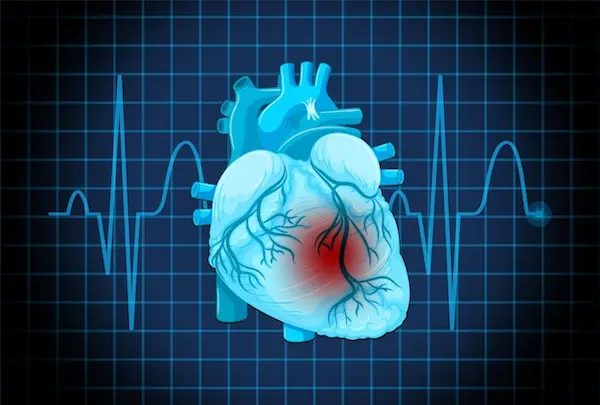
Left ventricular hypertrophy (LVH) refers to a heart condition in which the size and wall thickness of the heart's left ventricular chamber, the main chamber responsible for pumping oxygenated blood throughout the body, becomes larger and less efficient at pumping blood.
What are the causes of left ventricular hypertrophy?
In the case of left ventricular hypertrophy, the wall of the left ventricle of the heart increases in thickness and size as a result of several factors and causes:
- Chronic high blood pressure, because it forces the left ventricle to work harder to pump blood to the body, leading to thickening of the muscle wall, is a common cause of left ventricular hypertrophy.
- Aortic valve stenosis, the valve that controls the flow of blood from the left ventricle to the aorta when narrowed makes it difficult for the left ventricle to pump blood, leading to thickening of its wall.
- Hypertrophic cardiomyopathy, a genetic disease, leads to thickening of the heart muscle, especially the left ventricle.
- Other heart diseases, such as coronary artery disease andHeart valve diseases.
- Intense exercise for long periods of time.
- السمنة المفرطة.
- داء السكري.
There are some factors that increase the risk of developing left ventricular hypertrophy:
- التقدم في العمر.
- Family history of heart disease.
- Gender as women are more likely to develop left ventricular hypertrophy than men.
Symptoms of left ventricular hypertrophy
Left ventricular hypertrophy in the early stages does not cause any noticeable symptoms, as the condition usually develops over time, but when the hypertrophy develops and the condition causes complications, some symptoms may appear, including:
- Shortness of breath, especially during physical activity or lying down.
- Heart palpitations, or rapid or irregular heartbeats.
- Chest pain, especially after exercise.
- Dizziness or fainting, especially when standing up suddenly.
- Unusual fatigue and exhaustion.
- Coughing, especially while lying down.
- Swelling in the legs and ankles, as a result of fluid buildup.
It is worth noting that these symptoms may be caused by conditions other than left ventricular hypertrophy, so if you are experiencing any of these symptoms, it is important to consult a doctor to properly diagnose the condition and receive the appropriate treatment.
Learn about: أعراض أمراض القلب التاجية وطرق التشخيص والعلاج
How to diagnose left ventricular hypertrophy
Left ventricular hypertrophy is diagnosed at the Cardiovascular Center at Almoosa Specialist Hospital through a combination of tests and procedures including:
- Physical examination and medical history: The doctor will check your blood pressure, listen to your heart with a stethoscope, and ask you about your symptoms and family medical history
- Echocardiogram: The most common way to diagnose left ventricular hypertrophy, it uses sound waves to create images of the heart, allowing the doctor to see the size and shape of the left ventricle and measure its wall thickness; a measurement greater than 1.5 cm is considered hypertrophic.
- Electrocardiogram (ECG): Measures the electrical activity of the heart and can reveal the presence of left ventricular hypertrophy.
- Cardiac magnetic resonance imaging (MRI): provides a set of detailed images of the heart and helps determine the size and function of the left ventricle.
- Blood tests: Help identify conditions that may contribute to left ventricular hypertrophy, such as high blood pressure or kidney disease.
How to treat left ventricular hypertrophy
The treatment of left ventricular hypertrophy depends on the treatment of the underlying cause of the condition as well as the severity of the condition, and treatment aims to relieve symptoms, slow the progression of hypertrophy, and prevent complications, and treatment options include the following:
Treat the underlying cause:
- High blood pressure: Eat a healthy diet, exercise regularly, reduce salt intake, quit smoking, and stay on your doctor-approved blood pressure medications.
- Aortic valve stenosis: Aortic valve replacement surgery to repair or replace the stenotic valve, or minimally invasive surgery such as an aortic valve catheter.
- Hypertrophic cardiomyopathy: Medications such as beta-blockers, calcium channel blockers, antiarrhythmic drugs, surgical intervention through septal ablation or pacemaker implantation.
Treating left ventricular hypertrophy with medications:
- Diuretics, which help reduce fluid retention and relieve shortness of breath.
- Beta blockers, help slow down the heart rate and lower blood pressure.
- ACE inhibitors and angiotensin receptor blockers help lower blood pressure and reduce the burden on the heart.
Lifestyle change:
- Regular follow-ups and check-ups with your doctor to monitor the progress of the condition and adjust treatment as needed.
- Eat a healthy diet rich in fruits, vegetables, whole grains, and lean proteins.
- Exercise regularly under your doctor's supervision.
- Maintain a healthy weight.
- Quit smoking and alcohol.
- Stress management.
Would you like to know: What diseases does an ECG reveal?
How to prevent left ventricular hypertrophy
You can prevent left ventricular hypertrophy by following a healthy lifestyle and controlling the risk factors that contribute to its development, we recommend some of these guidelines to prevent left ventricular hypertrophy:
- Control your blood pressure by measuring your blood pressure regularly and minimizing your salt intake.
- Stop smoking and alcohol.
- Maintain a healthy weight.
- ممارسة الرياضة بانتظام.
- Control cholesterol levels.
- Control diabetes and monitor blood sugar levels regularly.
- Get regular heart checkups, and visit your doctor regularly for early detection and diagnosis, especially if you have a family history of heart disease.
In conclusion, left ventricular hypertrophy is a condition that requires careful attention and follow-up due to its potential impact on cardiovascular health.
We recommend that you visit مركز القلب والأوعية الدموية Almoosa Specialist Hospital is one of the leading centers in the Kingdom of Saudi Arabia, offering a comprehensive range of diagnostic and therapeutic services for cardiovascular diseases, as the center includes a group of doctors and consultants specialized in cardiovascular diseases, cardiac surgery, thoracic surgery, and vascular surgery.
If you are looking for a center that specializes in treating cardiovascular diseases, you can contact us on our numbers listed on the website for further inquiries and reservations.
Frequently asked questions
Can left ventricular hypertrophy be cured?
Yes, left ventricular hypertrophy can be cured if diagnosed early, depending on the underlying cause of the condition and the extent of damage to the heart. In some cases, it is possible to cure or stop the progression of the condition, control symptoms, and prevent complications.
Is left ventricular dysfunction dangerous?
Yes, left ventricular dysfunction is serious because it can lead to life-threatening complications, because the left ventricle is the main chamber of the heart responsible for pumping oxygen-rich blood throughout the body.
When the left ventricle weakens, it can't pump blood efficiently, leading to a variety of health issues, such as: Heart failure, atrial fibrillation, and sudden cardiac death.
What is left ventricular atrophy?
Left ventricular atrophy refers to a condition in which the left ventricle of the heart becomes smaller and weaker than normal, significantly affecting cardiovascular health.
Sources and references
What is Left Ventricular Hypertrophy (LVH) – heart.org
Left Ventricular Hypertrophy – ncbi.nlm
