
Molar pregnancy is one of the rare conditions that may occur in early pregnancy. It is a disorder that arises as a result of a defect in the fertilization process that leads to abnormal growth in the placenta instead of the growth of a healthy fetus in the uterus. This type of pregnancy is characterized by the formation of abnormal tissues that resemble a cluster of grapes, and may be accompanied by unusual symptoms such as bleeding, abdominal pain, and abnormally high levels of the pregnancy hormone. It requires accurate diagnosis and rapid medical intervention to avoid any serious complications. In this article, we will list the causes of this pregnancy, its types, symptoms, and ways to deal with it.
What is a molar pregnancy?
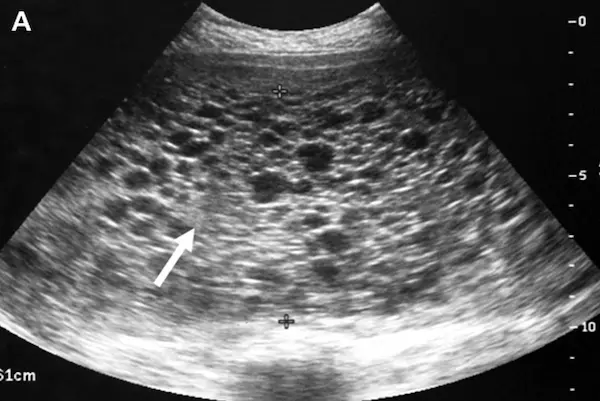
A molar pregnancy is an abnormal type of pregnancy. It is also known as a benign or non-cancerous tumor that occurs inside the uterus. Its formation begins from the multiplication of cells that were supposed to form the placenta, but without the presence of a real fetus or a normal placenta. In this type of pregnancy, the placenta develops into a group of abnormal sacs or sacs, which leads to the failure to form a healthy pregnancy.
It is also called “grapevine pregnancy” among the general public. It is a rare condition and completely different from a normal pregnancy. It is usually diagnosed early and requires medical intervention to treat it, as it cannot continue as a normal pregnancy.
Types of molar pregnancy
This load is divided into two main types, and below we mention detailed information about each type as follows:
- Complete molar pregnancy: It occurs when an egg empty of female chromosomes is fertilized by one or two sperm, leading to the formation of abnormal placental tissue without the presence of any fetal tissue at all. In this type, a healthy fetus cannot be formed and the pregnancy appears as a group of vesicles connected to each other.
- Partial molar pregnancy: It occurs when a normal egg containing female chromosomes is fertilized with a sperm containing one or more chromosomes, resulting in an abnormal chromosomal structure (usually 69 chromosomes instead of 46). In this type, part of the placenta or parts of the fetus may form, but the fetus is usually not viable.
Causes of molar pregnancy
Molar pregnancy occurs as a result of an abnormal genetic defect during the fertilization process. The causes vary depending on the type of pregnancy. Below we mention the causes in detail:
- Genetic defect during fertilization: In a complete molar pregnancy, it occurs when an empty egg receives fertilization from one or two sperm, leading to the formation of placental tissue without any fetal tissue. In a partial molar pregnancy, it occurs when a normal egg receives fertilization from two sperm, or when the DNA provided by the sperm is duplicated.
- Social and environmental factors: Factors that may increase the risk of this occurrence include pregnancy such as low socioeconomic status, malnutrition, and deficiency of vitamins such as folic acid and carotene.
- Maternal age: Women over 35 years old or under 20 years old face an increased risk of molar pregnancy, with the risk increasing with age.
- Problems with chromosomal division: Molar pregnancy occurs as a result of a defect in the pigmentation of the chromosomes responsible for the formation of the placenta and fetus during early cell division.
Learn about: Ectopic pregnancy An unexpected decision of fate
What is the physiology of molar pregnancy?
The physiology of molar pregnancy is related to a defect in the pigmentation of the chromosomes responsible for the formation of the placenta and fetus during the process of early cell division. This defect leads to abnormal growth of trophoblast cells, which are the cells that are supposed to form the placenta. These cells turn into fluid-filled sacs or sacs that resemble bunches of grapes without the presence of a real fetus or a normal placenta. This physiological change leads to the inability to continue the pregnancy normally, and requires medical intervention to prevent complications, especially since it may turn into a cancerous condition in
Symptoms of molar pregnancy
Common symptoms of a molar pregnancy vary from one case to another, but they often appear during the first weeks of pregnancy. The most important symptoms associated with a molar pregnancy are the following:
- Vaginal bleeding: It is the most common symptom and usually appears after the menstrual cycle stops, and the color of the blood is often dark brown rather than bright red.
- Uterine enlargement: The uterus appears larger than expected for the gestational age, and is associated with rapid and abnormal growth in the size of the abdomen.
- Severe nausea and vomiting: more than during normal pregnancy, and may lead to dehydration and nutritional disorders.
- Absence of normal pregnancy symptoms: such as not feeling fetal movement or the absence of a fetal heartbeat upon early examination.
- Hormonal symptoms such as hyperthyroidism: such as rapid heartbeat, anxiety, or unexplained weight loss.
- A significant increase in the pregnancy hormone (Beta-HCG): This is detected through laboratory tests, as the levels of the hormone are higher than expected in a normal pregnancy.
- Appearance of cluster cysts from the vagina: In some cases, cysts that resemble clusters of grapes may emerge from the uterus.
- High blood pressure and preeclampsia: especially if the pregnancy lasts a little longer, and may lead to serious health complications.
Methods of diagnosing molar pregnancy
Methods for diagnosing a molar pregnancy include several medical procedures that rely on X-ray and laboratory examination to confirm the presence of this abnormal type of pregnancy. The most important methods are the following:
- Ultrasound examination (ultrasound): It is considered the main method for diagnosing a molar pregnancy, as a group of vesicles inside the uterus that resemble bunches of grapes is revealed through vaginal or abdominal examination, and often no fetus or sac of amniotic fluid is seen.
- Blood analysis to measure the level of the pregnancy hormone (HCG): An abnormal rise in the levels of the HCG hormone in the blood is observed, which is higher than expected at the same gestational age, which indicates the possibility of a molar pregnancy.
- Histological examination: The diagnosis is conclusively confirmed by examining tissue removed after a miscarriage or dilatation and curettage, where abnormal placental cells can be seen under a microscope.
- Coincidental detection during a routine pregnancy examination: In some cases, a molar pregnancy is discovered incidentally when going for a routine ultrasound to follow up on the pregnancy.
How to treat a molar pregnancy
Molar pregnancy is usually treated through surgical procedures to remove abnormal tissue from the uterus. In some rare cases, it may require chemotherapy or close follow-up. The most important main treatment methods are the following:
- Dilation and curettage (D&C): This is the most common procedure to treat a molar pregnancy. The cervix is dilated and abnormal tissue is removed from the uterus using suction tools or curettes. This procedure is effective and is usually used in the early stages.
- Hysterectomy: In rare cases, especially in women who do not want to become pregnant in the future or if there is a risk of the condition transitioning to cancer, a complete hysterectomy may be recommended.
- Chemotherapy: It is used in cases where a molar pregnancy turns into a cancerous condition or where there are remnants of placental tissue that continue to grow after the pregnancy is removed. Chemotherapy is given under close monitoring.
- Close monitoring of the level of the HCG hormone: After treatment, the level of pregnancy hormone (HCG) in the blood is monitored to ensure that no remaining tissue remains or turns into a chorionic fibroma.
- Medical support to stabilize the general condition: such as treating high blood pressure, blood transfusion if necessary, and providing appropriate hormonal or therapeutic support.
The most important tips for living with a molar pregnancy
Living with a molar pregnancy requires following a set of medical advice to ensure good recovery and prevent possible complications, whether after diagnosis or after treatment. The most important of these tips are the following:
- Periodic monitoring of the level of the HCG hormone: It is necessary to monitor the levels of the pregnancy hormone (HCG) in the blood regularly after treatment to ensure that there is no remaining tissue or its transformation into a cancerous state.
- Avoid pregnancy for 6-12 months: It is recommended not to plan pregnancy for a period ranging between 6 to 9 months, and sometimes even a full year after treatment, to give the body enough time to recover.
- Use effective contraceptive methods: It is recommended to use birth control pills or other effective methods to prevent pregnancy during the follow-up period in order to avoid any health complications.
- Taking vitamins and nutritional supplements: Complex vitamin pills such as “Centrum” can be taken to enhance body health and improve cells before planning any upcoming pregnancy.
- Physical and mental rest after therapeutic procedures: It is important to give the body enough time to recover after a “dilatation and curettage” operation or any other surgical intervention, while avoiding strenuous activities and paying attention to mental health.
- Monitor for abnormal symptoms: Any irregular vaginal bleeding, severe abdominal pain, or signs of disease spread such as a persistent cough or headache should be reported as these may be indicators that the condition has transitioned to choriocarcinoma.
- Commitment to treatment if necessary: In some cases that require chemotherapy, complete adherence to the treatment plan must be done under close medical supervision.
Book your consultation now at مركز صحة المرأة At Al Mousa Specialist Hospital.
Methods of preventing molar pregnancy
Molar pregnancy is an abnormal condition of pregnancy that results from a genetic defect during fertilization. It cannot be completely prevented, but there are some measures that may help reduce the risk of its occurrence or at least detect it early and deal with it effectively. Among the most important methods of prevention are the following:
- Use effective contraceptives: It is preferable to use reliable contraceptives during the recovery period after treatment to avoid unwanted pregnancy that may lead to complications.
- Early detection during pregnancy: Conducting early examinations such as ultrasound and HCG analysis can help detect a molar pregnancy in its early stages, allowing for rapid medical intervention.
- Quitting harmful habits: Avoiding smoking and drinking alcohol and practicing a healthy lifestyle can improve overall reproductive health and reduce the risk of complications during pregnancy.
What are the complications of molar pregnancy?
A molar pregnancy may lead to several serious health complications if it is not diagnosed and treated early, whether for the mother or in terms of the possibility of the condition turning into cancer. The most important complications associated with a molar pregnancy are the following:
- Development of gestational trophoblastic disease (GTD): a condition characterized by abnormal growth of placental cells, which may include persistent gestational trophoblastic dysplasia (GTN) that may require chemotherapy or surgery.
- Carcinogenesis of molar pregnancy: In some rare cases, the remaining tissue from a molar pregnancy can turn into a cancerous tumor such as “chorionic fibroma,” which requires chemotherapy.
- Repeated molar pregnancy: Women who have had a molar pregnancy once are more likely to have it again in future pregnancies.
- Preeclampsia (so-called molar preeclampsia): It appears in the form of high blood pressure, the presence of protein in the urine and may be accompanied by cramps or disorders in the liver or kidneys, especially if the pregnancy lasts for a longer period.
- Temporary hyperthyroidism: As a result of a significant increase in the HCG hormone, some women may suffer from symptoms such as rapid heartbeat, weight loss, and excessive nervousness.
- Heavy vaginal bleeding: Heavy bleeding may occur during the first trimester of pregnancy. It may be dark brown or bright red in color, and may be accompanied by a texture resembling a cluster of grapes.
- Spontaneous miscarriage or natural evacuation of the uterus: In some cases, molar tissue may be expelled from the uterus spontaneously, but this does not mean that there is no need for medical follow-up.
- Psychological and emotional problems: As a result of pregnancy loss and the possibility of fear of recurrence or cancer, the mother’s psychological state may be greatly affected, so it is recommended to provide appropriate psychological support.
How a molar pregnancy works
A molar pregnancy begins with a genetic defect during fertilization and leads to abnormal growth of placental cells without the presence of a real fetus. Then cysts that resemble bunches of grapes form inside the uterus. Symptoms such as vaginal bleeding and a significant increase in the pregnancy hormone may appear. It is diagnosed through ultrasound and HCG analysis and is often treated with dilatation and curettage or sometimes a hysterectomy. After treatment, careful follow-up is done to avoid complications, and pregnancy is not recommended for a period of 6-12 months.
The most important medications related to molar pregnancy
Molar pregnancy is not treated mainly with medications, but in some rare cases that include tissue remnants or the condition turns into a chorionic fibroma, therefore chemotherapy is used. Among the most important medications associated with molar pregnancy are the following:
- Methotrexate: It is used to treat cases in which the remnants of a molar pregnancy turn into chorionic fibroma or gestational trophoblastic disease (GTD). This medication helps kill the remaining placental cells.
- Other chemotherapy drugs: In cases of resistance or failure to respond to methotrexate, combination chemotherapy that includes drugs such as etamstine or actinomycin may be used under close medical supervision.
الاسئلة الشائعة:
How many months does a molar pregnancy last?
A molar pregnancy does not last like a normal pregnancy and is terminated early, either automatically or through medical intervention. It is usually discovered during the first months of pregnancy, and the patient needs follow-up for a period of 6 months to a year to ensure that there are no tissue residues or complications.
Does the fetus survive in a molar pregnancy?
The fetus does not survive in a molar pregnancy, as no living fetus is formed. In a complete molar pregnancy, there is no fetal tissue at all, and in the partial type, parts of the fetus may form, but they are not viable.
How is a molar pregnancy shown?
A molar pregnancy appears through symptoms such as abnormal vaginal bleeding, severe nausea, and rapid growth of the uterus. You may see tissue resembling grape clusters coming out of the vagina. It is also diagnosed through ultrasound, which reveals cysts in the uterus without the presence of a fetus.
How do I know that my pregnancy is healthy without an ultrasound?
You can check on the health of your pregnancy without an ultrasound by monitoring the persistence of pregnancy symptoms such as nausea, vomiting, and breast pain, in addition to monitoring the level of the HCG hormone in the blood to confirm that the pregnancy is developing normally.
In conclusion, molar pregnancy is a medical condition that requires careful follow-up and early diagnosis to avoid any complications that may threaten a woman’s health. Although it may cause anxiety at first, rapid response to it and appropriate treatment help in complete recovery and full restoration of health. It is important for the woman to be aware of the symptoms of this condition and follow up with the specialist doctor if any abnormal signs appear because early detection plays a major role in protection and avoiding potential problems.
Sources
Molar Pregnancy – clevelandclinic
Molar pregnancy – nhs
