
Pistachio allergy is an allergic reaction of the immune system within the human body to the proteins found in pistachios. The symptoms of this type of allergy can be either mild or severe, and thus among the symptoms are skin rashes and itching. There are cases in which it leads to a shortness of breath crisis, and the most serious of these is the occurrence of anaphylactic shock. Rapid medical intervention is required in the event of anaphylaxis because it threatens the person’s life.
What is a peanut allergy?
When we talk about pistachio allergy, we mean the excessive response of the immune system to the proteins contained in pistachios, meaning that a person who is allergic to pistachios and eats them, the immune system releases chemicals, including histamine, and here various symptoms are produced on the person, which are classified into mild symptoms such as itching of the mouth and throat, skin rash, and so on.
In addition to other symptoms that are more severe, such as difficulty breathing and swelling of the face, tongue, throat area, etc., it is possible to experience hypersensitivity, which causes a sharp drop in blood pressure and loss of consciousness.
Causes of peanut allergy
The body's immune system treats the proteins found in pistachios as harmful substances to the body. When pistachios are exposed, the immune system releases chemicals that cause symptoms into the bloodstream. Here, these chemicals result in an allergic reaction. Here are the causes of pistachio allergy in detail:
- Direct contact with pistachios is the most common and widespread cause of pistachio allergy, which occurs through eating pistachios directly, or when eating foods that contain pistachios in their ingredients.
- Cross-contact with pistachios: If pistachios accidentally enter a product, there are foods that expose pistachios during processing or preparation.
- Inhalation: What is meant here is inhaling dust or spray containing pistachios, for example pistachio flour, as this leads to an allergic reaction.
Symptoms of peanut allergy
When a person has a pistachio allergy, some symptoms appear when he eats or gets close to it, and this occurs after two hours, and the symptoms are as follows:
- Having upper respiratory problems.
- Throat irritation that results in a severe cough. This happens to a small percentage of people.
- The appearance of dark circles under the eyes.
- Having a runny nose problem, which is a result of sinus irritation.
- Feeling a tingling sensation in the tongue and lips area as well.
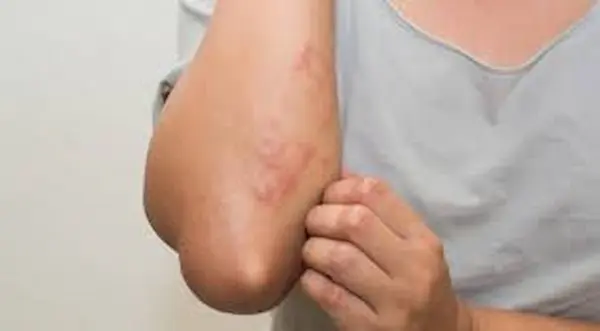
- Dermatitis and red, irritated hives or urticaria in the form of a clear border on the skin.
- The effect of secretion on the hands area, the area around the mouth and the back as well.
- Suffering from skin infections known as atopic dermatitis, which is a skin rash that appears as redness of the skin and obvious irritation, and most often affects the area behind the knees and on the arms.
- Suffering from asthma symptoms. Those who are allergic to asthma suffer from excessive symptoms after eating pistachios or being near them, including shortness of breath, tightness of the throat, and coughing.
- Suffering from gastrointestinal problems, which include looseness of the intestines, stomach pain, or abdominal cramps.
- Swollen tongue, swollen face, swollen lips, or swollen throat.
- Feeling dizzy.
- Swelling of the airways and breathing discomfort.
- Having a problem with high heart rate.
- Having low blood pressure.
- The heartbeat is irregular.
- Trauma.
- Having a problem with low vision.
Read also: Skin allergy to food Is food your enemy?
How is a peanut allergy diagnosed?
The stage of diagnosing a pistachio allergy begins with the specialist doctor’s discussion with the patient, regarding his symptoms and medical history, and through a physical examination. Diagnosis methods include the following:
- Diet: The patient records a note about his eating habits and presents it to the doctor, explaining the symptoms he is suffering from and the types of medications he is taking.
- Elimination diet: This is diagnosed if it is not clear that pistachios are the cause of the allergy, and on the other hand if the patient suspects that the patient is suffering from an allergic reaction to many foodstuffs, and here the doctor’s suggestion is the exclusion diet, which consists of keeping the patient away from eating pistachios and other suspected foods for about a week or two, then returning them again to the diet in order to link the symptoms with the specific foods.
- Skin tests: They involve placing a small amount of food on the skin, including a needle prick. If the person is allergic to one of the substances, the matter will develop into a bump or a severe reaction.
- Blood test: A blood test measures the immune system's response to certain foods by checking the amount of antibodies from allergies within the bloodstream, called immunoglobulin E (IgE) antibodies.
Book your consultation now at مركز الجلدية والتجميل At Al Mousa Specialist Hospital.
The difference between a peanut allergy and a peanut allergy
Peanut allergy and peanut allergy are types of food allergies, each type is different from the other, and the following is an explanation of the difference between them:
- Peanuts are legumes, while pistachios are nuts, so each type contains different types of proteins, and each of them has its own allergic reactions.
- It is not necessary for a person with a peanut allergy to also have a peanut allergy and vice versa. There are those who have a peanut allergy but do not have a peanut allergy.
- Peanuts contain different proteins in their components than the magic proteins, which include pistachios.
- The severity and severity of allergic reactions caused by peanuts differs from those caused by pistachios.
- Peanut allergy is one of the most common types of food allergies.
- Pistachio allergy symptoms appear on the affected person immediately after eating or being near pistachios, and the symptoms include skin rash, redness, swelling, and others.
How can a peanut allergy be prevented?
There are many ways to prevent pistachio allergy, including the following:
- Read food product labels to ensure that the product does not contain pistachios.
- Avoid eating processed foods that contain pistachios or pistachio oil.
- Be careful when eating Western dishes, including Thai, Chinese, and Indonesian dishes, as they often include pistachios in their ingredients.
- Avoid any cross-contamination of pistachios with any other foods, especially in restaurants and bakeries as well.
- The importance of consulting a nutritionist in order to determine the best ways to prevent pistachios from being included in the patient’s diet.
- Stay away from any foods whose ingredients are not reliable.
- Oral immunotherapy is good for some cases, as it helps alleviate the severity of peanut allergy.
- Bring an adrenaline auto-injector for use in emergency situations.
Learn about: Allergy symptoms Your guide to recognizing early signs and common types
Ways to treat pistachio allergy
There are multiple methods through which pistachio allergy is treated, and below we present the most important of them:
- Avoid pistachios completely by reading food labels carefully, so as to avoid eating foods that contain them.
- Inquire about meals in cases of eating out, as you must ensure the ingredients of the food and that it does not contain pistachios.
- Avoid being in places where pistachios are present, including restaurants that serve meals containing pistachios.
- Use antihistamines, as they help relieve mild symptoms resulting from peanut allergy, including itching and hives.
- The use of epinephrine in emergency situations, as it is recommended to provide an epinephrine injection for the patient to use in the event of a severe allergic reaction.
- The patient should go to the emergency room if he has symptoms of a severe allergic reaction.
- Oral immunotherapy, which the doctor suggests to the patient, is effective in reducing allergic reactions to pistachios.
- Allergen immunotherapy, through which allergies are removed, is done with the advice of a specialist doctor.
- Bronchodilators are used when suffering from respiratory symptoms, including difficulty breathing, in which the doctor prescribes a bronchodilator such as albuterol.
- Performing first aid in the event of anaphylaxis removes the allergen, i.e. removes any pistachio residue stuck to the skin, and also places the patient in a comfortable position, such as making him lie on his back with his feet raised. There must be immediate medical assistance if the patient has severe symptoms of anaphylaxis.
Frequently asked questions
Do pistachios irritate the colon?
Pistachios cause irritation in the colon, but in some cases, especially if the patient suffers from irritable bowel syndrome, and pistachios are one of the foods that contain a large amount of fat, so eating them in excess causes slow digestion, which increases the symptoms of irritable colon.
Do pistachios increase allergies?
Indeed, pistachios cause or increase allergies in some people, as they are classified as tree nuts and one of the foods that most cause allergic reactions in sensitive people, and because they are an allergen, they cause symptoms including skin rashes, itching, swelling of the lips and tongue, and other symptoms.
After we have revealed everything related to pistachio allergy, we reveal the importance of consulting a specialist doctor when suspecting the existence of a pistachio allergy, so that an appropriate treatment can be determined, as the doctor depends in choosing the type of treatment on the severity of the allergy and the symptoms that the patient suffers from.
Sources
Peanut – acaai
Peanut Allergy – clevelandclinic