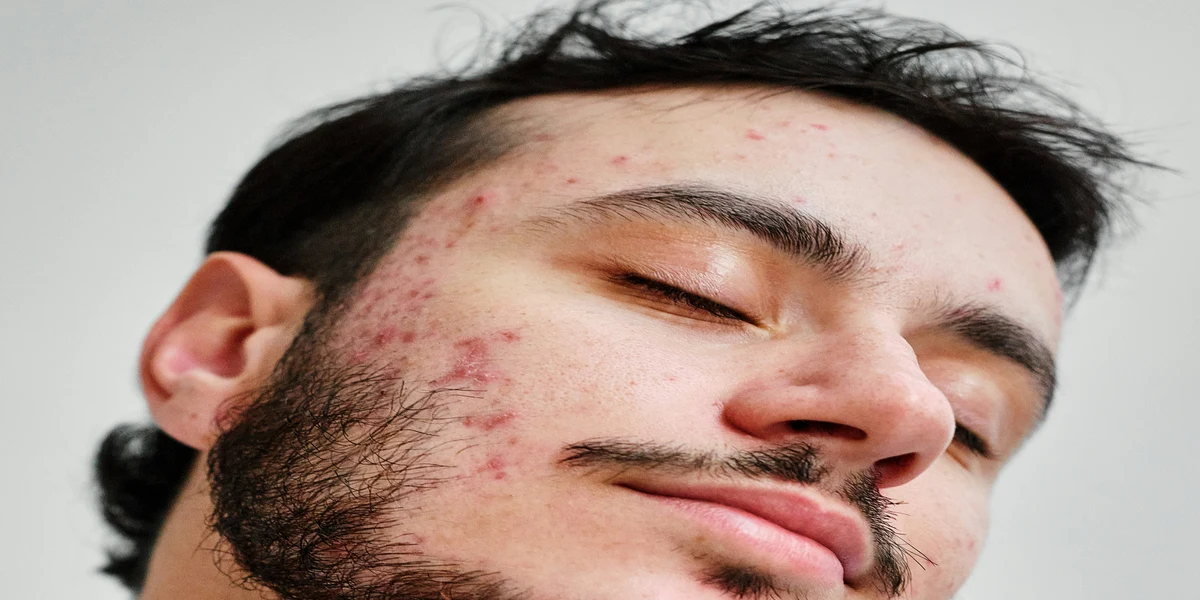
A skin allergy to food is a condition in which certain foods trigger an abnormal immune response. This response varies in severity from mild symptoms, including hives, to severe, life-threatening symptoms.
Although any food can cause an allergic reaction, the FDA reports that nine foods account for 90% of the reliable sources of allergic reactions.
So if you want to learn about foods that can cause allergies, in order to avoid them and prevent serious health consequences, follow this article with us.
Skin sensitivity
Allergies are one of the causes of skin disorders, which occur when the immune system has an unusual reaction to a harmless substance.
Therefore, the function of the immune system cells is to find and eliminate foreign substances, such as viruses and bacteria, and this response leads to protection against serious diseases.
Skin allergies to food occur when your body reacts to proteins found in certain foods.
Skin allergies can also be caused by pollen, medications, wool, plants, latex, or nickel.
Symptoms of skin allergy to food
Symptoms of a food allergy usually appear within two hours of eating, and often begin within minutes.
The reaction may be delayed for four to six hours, or even longer, and this occurs in some very rare cases.
Food allergy symptoms can range from mild to severe.
So if you suffer from skin allergies from food, you may face The following symptoms:
- Skin rash.
- Swelling of the lips or eyelids.
- Swelling of the tongue.
- Itchy mouth and throat.
- The appearance of red spots.
- Itchy skin.
- Skin peeling.
- The appearance of raised bumps.
- Pale or blue skin color.
Causes of skin allergy to food
A food allergy occurs when your immune system responds defensively to a specific food protein.
When you eat the food that causes the disease for the first time, your immune system responds by creating specific antibodies to fight the disease, which are called (immunoglobulin E, or IgE).
IgE antibodies begin to work when you eat food again, and release large amounts of histamine to expel foreign bodies that invade the body.
Histamine is a powerful substance that can affect the respiratory system, digestive system, skin, or heart and blood vessels.
Other parts of the immune system can also respond to proteins in certain foods, often including skin or digestive symptoms, such as heartburn.
It should be noted that skin allergies to food tend to run in families, so if you suffer from other allergies, such as hay fever or eczema, you may be more susceptible to developing a food allergy.
You may also be at greater risk of developing food allergies, if you have asthma.
What foods cause skin allergies?
Vary Allergens From one food item to another, you should therefore avoid the following foods, if you show an allergy to them.
Foods that cause skin allergies include the following:
Skin allergy to soy
Soy protein allergy is very common in children and infants, and soy allergy can cause many side effects, such as atopic dermatitis, andWhich is characterized by the following:
- Itching, especially in the face and mouth.
- And rashes.
- High red areas.
Skin allergy to peanuts
A peanut allergy is not only one of the most common types of food skin allergies, but it is also one of the most serious.
Peanut allergy is often characterized by:
- Skin rash.
- Urticaria.
- Swelling.
A peanut allergy may also cause anaphylaxis, a life-threatening allergic reaction.
Skin allergy to shellfish
Shellfish are a type of fish with a hard shell, or shell-like exterior, and shellfish allergies are caused by foods such as shrimp, squid, and crab.
Shellfish allergy is caused by a type of protein known as tropomyosin.
An allergic reaction to shellfish can cause symptoms, such as:
- Skin rash.
- Urticaria.
- Itching.
This occurs in mild cases, but in severe cases, it can cause Allergies Excessive, which can be fatal.
Skin allergy to wheat
This allergy results from exposure to proteins found in wheat, such as albumin, gliadin, globulin, and gluten.
It is also one of the most common food allergens and can cause itching.
People with a wheat allergy need to avoid all foods that contain wheat, such as bread, pasta, crackers, and bulgur.
Learn about:How is an allergy test performed?
Skin allergy to cow's milk
Milk allergy is one of the most common types of food allergies in children and infants.
Whey and casein (proteins found in cow's milk) are the two most common causes of allergic reactions.
People who are allergic to milk suffer from the following:
- Swelling of the lips, throat, or tongue.
- Itching.
- Tingling around the mouth.
Treatment for this allergy includes avoiding dairy products and foods that contain cow's milk, such as cheese, yogurt, butter, and ice cream.
Skin allergy to eggs
Egg allergy is one of the most common types of food allergies in children, and is caused by the presence of specific proteins in egg whites, such as egg albumin, ovotransferrin, egg white lysozyme, and ovomucin.
One of the main symptoms of an egg allergy is hives, which can cause skin itching, redness, and swelling.
Skin allergy to nuts
Nuts are another common cause of food allergies, affecting an estimated 4.9% of the world's population.
Nuts include almonds, walnuts, pistachios, hazelnuts, cashews, and Brazil nuts.
Allergic reactions are caused by the presence of specific proteins in nuts, andSymptoms resulting from these reactions include the following:
- Itching.
- Twitching.
- Skin redness.
- Swelling of the mouth.
Skin allergy to fish
Fish allergy results from an allergic reaction to specific proteins (parvalbumin) found in fin fish, such as tuna, salmon, catfish, and cod.
Some people may be allergic to certain types of fish, but not to all types of fish.
Symptoms of fish allergy include:
- Skin rash.
- Itching.
- Urticaria.
Get to know The most common symptoms of shrimp allergy and the most important ways to treat them
Skin allergy to sesame
It is the ninth most common cause of skin allergies to food, and symptoms range from a mild rash to anaphylaxis.
Most people who are allergic to sesame will have other food allergies.
Types of skin allergies
There are multiple types of skin allergy disorders.
Include Types of skin allergies following:
Atopic dermatitis
Atopic dermatitis, also called eczema, is a more common allergic skin condition in children than in adults.
Eczema is linked to both genetics and environmental factors, and is also linked to asthma, food allergies, and seasonal allergies.
Some things can trigger an eczema flare-up, such as:
- Some foods.
- Stress.
- Soap.
- Cold, dry air.
Allergic contact dermatitis
This type of inflammation occurs when something touches the skin and causes a reaction, such as:
Some people have skin allergies to nickel, so if nickel jewelry comes into contact with their skin, they will have a skin reaction.
Urticaria
He promises Urticaria Raised bumps on the skin that are pink or red in color and are formed due to an allergic reaction. These bumps are also called bruises or swellings.
It is possible for a person to develop urticaria when eating a food to which he is allergic.
Hives can also be caused by things other than allergies, such as insect bites and certain medications.
Angioedema
Angioedema is swelling deep in the skin and often occurs with urticaria.
This type of skin allergy most often occurs in the eyelids, lips, throat, hands, and feet.
Although each type of skin allergy has its own distinct symptoms, they can cause... Sleep disorders.
Treatment of skin allergies
It is the best way to deal with Skin allergy to food It is to avoid foods that cause you an allergic reaction from your diet, and to obtain emergency medications, such as epinephrine injections, which are the only effective treatment.
However, it must be noted that emergency medical care must be sought immediately after using epinephrine injections.
Mild symptoms of skin allergies often disappear without treatment, but your doctor may prescribe some medications to help you relieve allergy symptoms, such as:
- Antihistamines, which help reduce itching, congestion and other symptoms.
- Corticosteroids, such as prednisone, which helps reduce swelling, if you have a severe allergic reaction.
Book your consultation now at Dermatology and beauty center At Almoosa Specialist Hospital
Frequently asked questions about skin allergies from food
If you have an allergy to a certain type of food, you may have some questions about that allergy. like:
What is the prohibited food for skin allergy patients?
There are some foods that may cause skin allergies, like:
- Eggs.
- Fish.
- Oysters.
- Wheat.
- Dairy and its products.
- Sesame.
- Nuts.
- peanut.
- Soy.
But you must first notice the appearance of any symptoms of skin allergy when eating any of the above foods, in order to determine which foods you should avoid.
This is because these foods can cause skin allergies for some people, but not for all people.
How do I get rid of skin allergies and itching?
Skin allergy symptoms often go away on their own within a week or two, with or without treatment.
But to help soothe itchy skin Dermatologists recommend the following tips:
- Place a cold, wet cloth or ice pack on the skin and leave it for five to ten minutes, or until the itching subsides.
- To moisturize the skin, always choose a moisturizer that is free of additives and fragrances.
- Use an anti-itch cream. Hydrocortisone or calamine lotion may relieve itching.
- Use loose clothing, because tight clothing helps irritate the rash.
- Use an oatmeal bath, or oatmeal compresses, because it contains anti-inflammatory and antioxidants, which contribute to relieving itching.
- Take a lukewarm bath to soothe the itching.
What is the difference between allergies and rashes?
A rash refers to a change in the color, appearance, or texture of the skin due to factors such as infections, autoimmune disorders, medications, or exposure to irritants, such as plants or chemicals.
As for allergy, it is an allergic reaction, as a result of the immune system’s response to harmful substances, which leads to the appearance of symptoms that affect the skin and other organs.
In the end, you now understand, dear reader, what are the symptoms of a skin allergy to food, and what are the foods that can cause an allergic skin reaction.
We also answered some questions that might be on your mind about skin allergies, and you learned about the treatment methods and how to relieve itching.
But remember that if you have a severe allergic reaction, you must take emergency medications and go to Almoosa Hospital to receive the necessary medical care for you.