
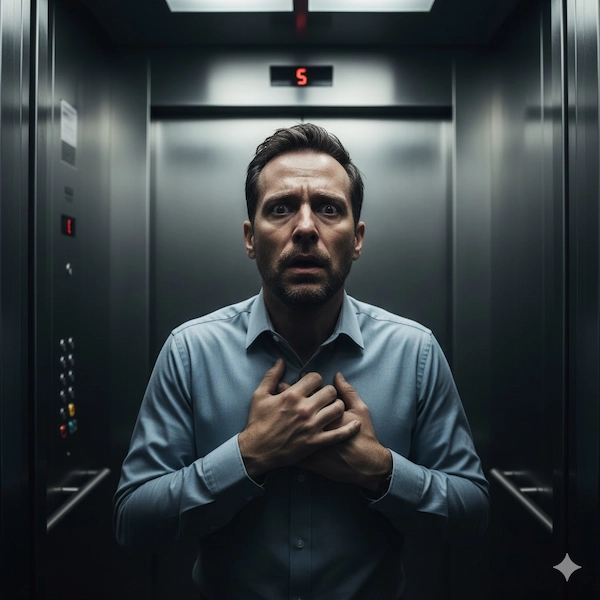
The phobia of confined spaces, or what is medically known as claustrophobia, is one of the most common types of phobias among anxiety disorders, as the sufferer experiences an intense and unjustified fear of being in closed or crowded places.
What is the phobia of confined spaces?
Claustrophobia, fear of confined spaces, or claustrophobia, is a chronic psychological disorder that causes an irrational fear of being in enclosed spaces.
The sense of danger arises even though there is no actual threat, and the thought of it is accompanied by acute anxiety that provokes strong physical responses.
Characteristics of phobia of confined spaces
- Psychological features: These include prior fear, catastrophic thinking, and avoidance of traveling or working in confined spaces.
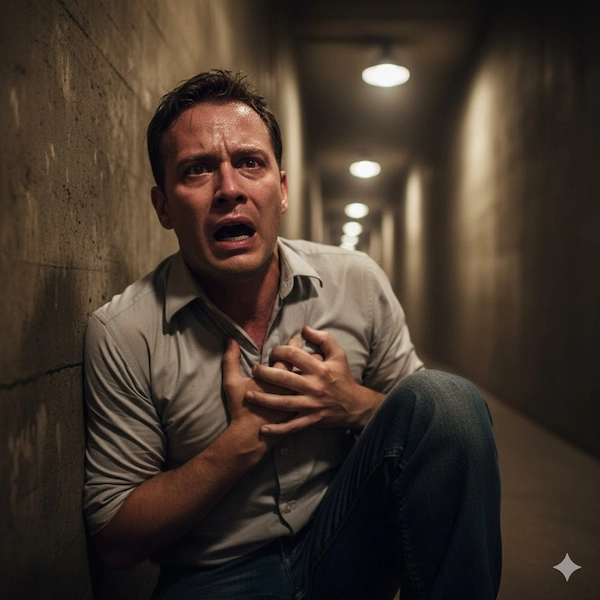
- Physical traits: These include rapid heartbeat, dizziness, tremors, excessive sweating, and a feeling of suffocation.
- Influencing factors: Genetics, traumatic experiences, generalized anxiety disorders, and sometimes overprotective parenting styles.
- Daily reflections: It may lead to avoiding using elevators, withdrawing from social activities, or refusing to travel by plane.
- Effect on health: Constant anxiety leads to chronic stress, disturbed sleep, and poor concentration.
- Distinction from other cases: It differs from panic disorder because it is related to a specific situation and not to unexpected attacks.
- Age group most at risk: It often appears in adolescence or early adulthood and is more common in women than in men.
- Indications of the need for treatment: Fear persists for more than six months and its impact on a person’s daily performance.
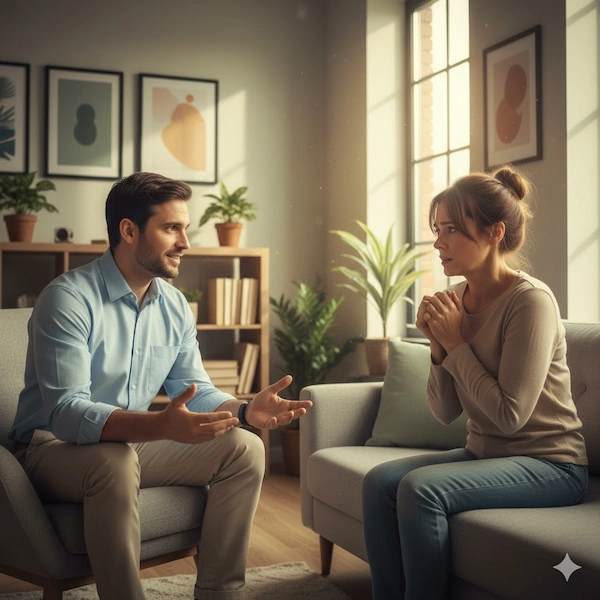
- The first step of treatment: Realize that the fear is excessive and unrealistic, and begin talking to a psychologist to evaluate the condition and develop an appropriate treatment plan.
The phobia may be simple, related to a specific place or general, involving several closed and crowded situations.
The most prominent physical and psychological symptoms of claustrophobia
- Rapid heartbeat and shortness of breath: One of the first signs a patient feels when entering a closed place is the result of the body's immediate response to anxiety.
- Feeling suffocated: A feeling of lack of air is created even though the place has sufficient ventilation, and it is a psychological, not an organic, reflection.
- Vertigo and dizziness: It occurs as a result of an imbalance due to increased adrenaline in the blood.
- Excessive sweating and shivering: An automatic response of the autonomic nervous system that prepares the body to escape.
- Chest or stomach pain: It is accompanied by muscle contractions and a feeling of intense pressure in the chest.
- Nausea and dizziness: As a result of severe stress or hyperventilation.
- Fear of losing control: The patient is afraid of fainting or acting irrationally.
- General fatigue after a seizure: Because the body consumes a lot of energy during stress.
- Prior anxiety: Even the thought of entering an enclosed space causes extreme stress and can lead to avoiding the situation entirely.
- Noticeable physiological changes: Such as dry mouth, cold extremities, and muscle stiffness.
Possible causes of claustrophobia
- Previous shocks: It is one of the most prominent reasons, as being detained in an elevator, tunnel, or closed room leaves a deep psychological impact that makes the brain associate the situation with a feeling of danger.
- العوامل الوراثية: Some studies indicate that having a family history of anxiety disorders increases the likelihood of developing it, as a person inherits a higher susceptibility to excessive stress response.
- The nervous structure of the individual: Increased activity in the area of the amygdala responsible for fear may make a person more susceptible to developing phobic responses.
- Environmental factors: Overprotective upbringing or constant exposure to stressful situations in childhood affects the way the brain deals with stressful situations.
- Imitation by observation: Seeing a parent or sibling suffering from a similar phobia may cause a child to unconsciously imitate this behavior.
- Associated psychological disorders: General anxiety or panic attacks may exacerbate the phobia and deepen the feeling of loss of control.
- Misinterpretations of the body: Some patients associate a racing heartbeat or shortness of breath with the presence of actual danger, which reinforces the fear cycle.
- Lack of progressive experience: Lack of safe exposure to indoor spaces from a young age makes coping with the situation more difficult later.
- Social and professional pressures: Working in closed environments or constant crowding may gradually trigger the emergence of phobias.
اقرأ أيضاً: The most important symptoms of phobia that you should pay attention to
How is phobia of confined spaces diagnosed?
- Detailed psychological interview: The diagnosis begins with an interview conducted by the psychiatrist to learn about the nature of fear and the extent of its impact on the patient’s daily life.
- Evaluate symptoms: Physical symptoms such as rapid pulse and shortness of breath are monitored, in addition to intellectual and behavioral symptoms such as constant anxiety and avoidance of closed spaces.
- Excluding organic causes: The doctor orders medical tests to ensure that the symptoms are not caused by physical diseases such as heart or respiratory disorders.
- Psychological assessment tests: They include specialized questionnaires to determine the degree of anxiety and level of phobia, such as the Social Phobia Scale or the Claustrophobia Test.
- Monitor response to stimuli: The patient may be exposed virtually or practically to closed situations to observe his psychological and physical reactions under the supervision of a specialist.
- Behavior analysis and medical history: The patient's psychological and family history is studied to determine the roots of the phobia and the factors that contributed to its development.
- Estimating the severity of the condition: The doctor determines the severity of the phobia (mild, moderate, or severe) to design an appropriate treatment plan that includes behavioral or drug therapy.
- المتابعة المستمرة: Diagnosis is not limited to the first session, but the patient's response is monitored over time to precisely adjust treatment.
Modern methods for treating phobia of confined spaces
- Cognitive behavioral therapy (CBT): It aims to modify thought and behavior patterns associated with fear, by training the patient to notice his negative thoughts and replace them with realistic reactions that help him control the situation.
- Gradual exposure therapy: It depends on confronting fears in a gradual and safe way.
- العلاج الدوائي: It is used in advanced cases to relieve physical and psychological symptoms such as a rapid pulse or severe anxiety.
- Group cognitive behavioral therapy: It offers a supportive environment in which patients share their experiences and gain skills for coping with anxiety collectively.
- Virtual reality therapy: Modern technology allows the simulation of closed situations virtually, which helps the patient to train without actual danger.
- Deep breathing and relaxation techniques: It helps reduce adrenaline levels and regulate breathing when feeling distressed.
- Hypnotherapy: It is used to change deep beliefs associated with fear and reprogram the emotional response.
- الدعم الأسري: Having an understanding family contributes to the success of treatment, as they provide encouragement and support during the implementation of treatment plans.
- Psychoeducation: The patient's understanding of the nature of phobia and the role of anxiety in amplifying the response enhances his confidence in treatment and increases his commitment.
- Long-term follow-up: To ensure the stability of the condition and prevent relapse, it is recommended to review the doctor regularly after the sessions.
اكتشف المزيد عن: Phobia of heights, what are its psychological causes and how to treat it
Tips for daily dealing with phobia of confined spaces
- Regular muscle relaxation: Tighten and relax muscles sequentially to reduce overall tension and improve the sense of control.
- Use realistic thinking: When feeling distressed, remind yourself that the place is safe and that fear is just a temporary response that can be controlled.
- Meditation and yoga: It helps calm the nervous system, regulate breathing, and improve self-awareness.
- Avoid stimulants: Reducing caffeine and nicotine because they increase nervous activity and tension.
- Sleep regulation: النوم Caffeine reduces the body's over-response to anxiety.
- Exposure to natural light: Balances the hormone serotonin and improves overall mood.
- Monitor progress: Recording situations that have been overcome boosts self-confidence.
- Use soothing scents: Such as lavender or chamomile to relieve stress.
- Control self-talk: Replace negative thoughts with positive encouragement sentences.
Frequently asked questions about phobia of confined spaces
Is claustrophobia completely treatable?
Yes, in most cases it can be treated successfully when adhering to the treatment plan that includes behavioral therapy and psychological support.
Can phobias affect children?
Yes, it may appear since childhood, especially after negative experiences such as hiding in closed places.
Can phobia of confined spaces be prevented?
It cannot be completely prevented, but gradual exposure to disturbing situations from a young age reduces the likelihood of its development.
What is the difference between natural fear and phobia?
Natural fear is a realistic response to a dangerous situation, while phobia is an excessive fear of situations that do not deserve this amount of anxiety.
Does the patient need constant medications?
Not necessarily, medications are used temporarily to support behavioral therapy in some cases.
تعرف أيضاً على: Everything you need to know about insect phobia and its treatment
خاتمة
Overcoming the phobia of confined spaces is not impossible, but rather it is a step towards a more comfortable and confident life. Al Mousa Hospitals GroupWe believe that integrated psychological care begins with a deep understanding of the patient’s needs and ends with achieving tangible results that restore his quality of life.
Our team includes an elite group of psychiatrists and therapists who specialize in treating anxiety disorders and phobias using the latest behavioral and therapeutic techniques, in a comfortable environment that respects privacy and supports steady recovery. التواصل معنا To book a psychological consultation that will open the path to safety and reassurance for you.
