
Have you heard about the phobia of holes?
What is the phobia of holes?
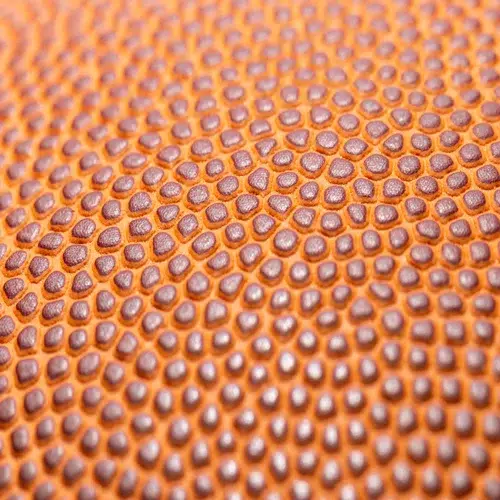
Hole phobia or trypophobia is a psychological disorder that includes fear and aversion to things with repetitive patterns of holes or small closely spaced gaps, such as the shape of sponges or beehives. This condition may disrupt the patient’s daily life, especially if he suffers from recurring panic attacks.
Causes of phobia of holes
The causes of the phobia of holes are not yet clear or specific, but researchers have developed some theories that explain why a person feels aversion and fear of holes. These theories include the following:
- Pathological disgust: Doctors believe that the phobia of holes may be linked to a pre-existing reaction in the person, as he feels disgusted by any disgusting form, such as skin sores, which prompts him to avoid and abhor them.
- Effect of personal experience: The patient may have a bad experience related to the shape or pattern of the holes. When he sees them, he feels anxious and afraid.
- Neurological factors related to the brain: There are certain areas of the brain that may be more active in some people who suffer from phobia or trypophobia, which makes their response to that pattern exaggerated.
Get to know me: دليلك لتحسين الصحة النفسية والرفاهية العامة
Symptoms of hole phobia
As we mentioned, this disorder includes fear and aversion to a repetitive pattern of holes in close proximity, in addition to other symptoms of hole phobia, which vary from one patient to another, and include:
- Excessive sweating.
- Nausea and vomiting.
- Goosebumps and itching when seeing the holes.
- Rapid heartbeat and shortness of breath.
- A strong feeling of disgust and repulsion, with increased tension and anxiety.
- In some advanced cases, the patient may suffer from severe panic attacks, including dizziness with tremors and a feeling of danger.
- Dodging and trying to avoid seeing sponges, beehives and other objects that have closely spaced gaps.
Diagnosis of phobia of holes
The diagnosis of gonorrhea until this moment is not official in the Diagnostic and Statistical Manual of Mental Disorders (DSM), but the condition is evaluated according to a specific method adopted by doctors and psychologists, which is as follows:
- Clinical examination: This is asking about the symptoms that appear on the patient and the extent of their impact on his life.
- Psychological testing: By conducting a questionnaire to assess the level of fear and aversion when seeing pictures or objects with holes.
- Patient's response: Some pictures and objects containing holes are displayed to see the patient's reaction and the signs he shows.
- Excluding other disorders: The doctor must ensure that there are no other psychological disorders that affect the patient’s response, such as obsessive-compulsive disorder or general anxiety.
Is the phobia of holes a phobia?
Yes, the phobia of holes is a type of phobia, but it is not officially classified in the Diagnostic and Statistical Manual of Mental Disorders. Some say that it may be a feeling of aversion and disgust more than phobias, which only mean fear, but in general it is a state of phobia.
Learn about: How to boost your mental health in simple steps
Treating the phobia of holes
Treating the phobia of holes depends mainly on various therapeutic techniques, all of which aim to reduce stress, fear, and the negative response to that particular pattern. The most important of these techniques are:
العلاج الدوائي
Of course, drug treatment is an essential part of treatment, and the doctor usually recommends some medications such as beta blockers to reduce physical symptoms such as rapid heartbeat, in addition to anti-anxiety agents and antidepressants such as SSRIs, especially if the phobia has developed until it affects the patient’s daily life.
Cognitive behavioral therapy
Cognitive behavioral therapy is one of the most successful psychological and behavioral treatment methods for many psychological disorders, as it helps to change negative thoughts and beliefs, such as feelings of fear and disgust at seeing holes, replacing those thoughts with logical ones, and trying to do cognitive restructuring for the patient, which makes him gradually change his negative reactions.
Relaxation exercises and stress management
Progressive muscle relaxation exercises and deep breathing exercises greatly help reduce the anxiety associated with seeing holes. Meditation exercises are also recommended by the doctor to reduce the patient's emotional response.
Gradual exposure
One of the most effective treatments for treating phobia about seeing holes is gradual exposure to images that contain closely spaced holes or gaps, such as beehives or soap bubbles, to reduce the emotional response to those images or shapes.
Group therapy
It may be useful to include the patient in support groups who suffer from the same disorder and have already begun their recovery journey, which instills hope in the patient and reduces his feeling of isolation.
He depends مركز رفاه للطب النفسي Al Mousa Specialist Hospital has all the effective techniques that help the patient and his family overcome these crises and disturbances in a short period, while maintaining the patient’s privacy and the confidentiality of his information throughout the treatment period. We combine distinguished medical service with hotel accommodation, while preserving the patient’s privacy.
Complications of hole phobia
If treatment is neglected and the disorder is not controlled, complications of hole phobia may appear later, negatively affecting the patient’s daily life, and they include:
- Chronic anxiety, which affects the psychological state later.
- Suffering from sleep disorders and nightmares, which leads to fatigue and stress.
- The patient's panic attacks may later affect heart function, especially if they are frequent.
- The psychological disorder worsens until it leads to other disorders such as depression or obsessive-compulsive disorder.
- The tendency toward social isolation and avoidance of places and things that stimulate phobia of holes, which affects behavior.
- The patient may even abandon work, study, or even recreational activities for fear of encountering any of the triggers of the phobia
How to prevent hole phobia
The possibility of preventing hole phobia cannot be confirmed since it is an unconscious response of the brain, but its effect can be reduced later by doing the following:
- Accustom yourself to seeing images of holes gradually, which helps reduce the psychological and emotional reaction.
- Minimize exposure to pictures with holes and try to distract attention when looking at them.
- Do not focus on any picture that has holes and associate that shape with positive things and events.
- Seek help from specialists if it affects your daily life.
- Control the reaction through relaxation techniques and deep breathing exercises.
If you feel fear or discomfort due to seeing certain patterns and you suspect that you have a phobia of holes, you should immediately go to the Rafah Mental Health Center affiliated with Al Mousa Specialist Hospital, which is one of the leading centers in diagnosing and treating psychological disorders and provides patients with a range of effective therapeutic services through integrated outpatient and inpatient clinics. All you have to do is contact us.
Frequently asked questions
Below we answer the most common questions we receive from our followers about hole phobia:
How do you know that you have a phobia of holes?
If you feel uncomfortable, anxious, or afraid when you see a shape or pattern with holes close together, along with some physical signs such as goosebumps, rapid heartbeat, and sweating, then you may be suffering from a phobia and not know it.
What is the reason for fear of holes?
The reason for the fear of holes may not be due to a strong reaction and response from the brain when seeing the pattern of closely spaced holes, but it may be due to trauma or a previous traumatic experience associated with fear and anxiety.
What is the phobia of holes called?
The phobia of holes is called Trypophobia. Trypo means hole or penetration, and Phobia means fear, and it is sometimes called the phobia of holes.
What do holes mean?
Holes is the plural of hole, which is a small opening or gap on the surface of things, whether natural, such as beehives, or artificial, such as a sieve or sieve. In the case of hole phobia, the fear is related to repeated clustered holes, not individual holes.
Medical sources