
Imagine if your body was playing a harmonious symphony. Muscles are the strings that produce movement and force, and like any musical instrument, these strings need regular care and maintenance to function at their full potential. Whether you suffer from chronic pain, a sports injury, or even just muscle stiffness as a result of sitting for long periods, physical therapy for muscles offers you the perfect solution to restore harmony and strength to your body, and improve the quality of life. Follow this article with us, as we will delve into clarifying the most prominent physical therapy techniques for muscles at Al Mousa Specialist Hospital,
Benefits of physical therapy for muscles
Physical therapy has many benefits for muscles, the most prominent of which are:
- Strengthening weak muscles and rebuilding muscles after periods of inactivity or atrophy.
- Increasing the length of muscle fibers and improving flexibility and range of motion by reducing muscle and joint stiffness after injuries or chronic diseases.
- Relieve muscle pain by using pain-relieving techniques such as heat and cold therapy.
- Promoting muscle healing after injuries, through progressive exercises that stimulate healing without excessive stress
- It prevents the formation of dense scars in tissues after wounds or surgeries.
- Improving balance and muscle coordination by treating muscle weakness resulting from neurological disorders such as: stroke or spinal cord injury.
- Preventing muscle injuries, especially for athletes, such as torn knee ligaments.
- Correcting wrong body posture that causes chronic muscle fatigue, such as back pain.
- Activating blood flow to the muscles, which improves blood circulation and muscle metabolism.
- Rehabilitation after muscle surgeries, such as cruciate ligament operations or joint replacements.
- It reduces the symptoms of chronic diseases, which improves the quality of life.
Learn about: اجهزة علاج طبيعي I best way to regain your mobility
Types of muscle physical therapy techniques
There are a variety of techniques used in physical therapy for muscles depending on the disease or injury. The most prominent of these techniques include the following:
- Strengthening exercises, such as using light weights or elastic bands, target specific muscles to increase their strength.
- Flexibility exercises, such as dynamic and static stretches, aim to improve the range of motion of muscles and joints.
- Endurance exercises, such as walking or cycling, which aim to increase the muscles’ ability to withstand effort for long periods.
- Balance and coordination exercises after neurological injuries or for the elderly.
- Manual therapy uses therapeutic massage, such as deep tissue massage, to relieve muscle spasms, improve blood flow, and mobilize joints to improve mobility and reduce pain.
- Heat therapy, such as warm compresses or ultrasound;
- Cold therapy, such as ice;
- Electrical stimulation technology;
- Hydrotherapy, such as walking in a pool;
- Flexible adhesive tape technology that is placed on muscles to support them, relieve pain or improve athletic performance.
- High frequency ultrasound technology;
- Laser therapy technique, to stimulate muscle healing and reduce inflammation, especially in cases of muscle tears.
- Stretching exercises, both static and dynamic;
- Special techniques for rehabilitation.
- Occupational therapy exercises;
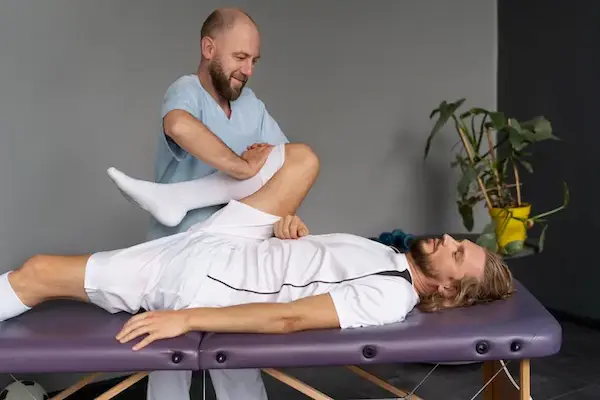
How to start muscle physical therapy
Beginning muscle physical therapy requires a structured and comprehensive approach to ensure the best results and safe recovery, and includes the following steps:
- Consult a doctor, in order to initially evaluate your condition and diagnose the cause of muscle weakness or pain.
- Referral to a physical therapist, to develop a treatment plan tailored to your condition after conducting a comprehensive assessment of your condition, discussing treatment goals, and evaluating body posture.
- Begin treatment and adhere to it, starting with exercises in the clinic, and then the physical therapist will provide you with specific exercises that you must do at home regularly as an essential part of the success of physical therapy and accelerating recovery.
- Monitor your progress, evaluate your response to treatment periodically, and make the necessary adjustments to the treatment plan as needed.
Book your consultation now at Physical therapy At Al Mousa Specialist Hospital.
What to expect in your first session of muscle physical therapy
The first session of muscle physical therapy aims primarily to accurately understand the patient’s health condition and determine the best path for recovery, as the physical therapist takes the following steps:
- Discuss your medical history, chronic health conditions such as diabetes or heart disease, the medications you take, when your symptoms started, and what makes them worse or better.
- The therapist inquires about your lifestyle, activities, and the nature of your work.
- Your therapist will discuss with you your specific goals for physical therapy, and will monitor your posture while standing, sitting, and walking.
- The therapist will test your muscle strength in and around the affected areas, then touch your muscles and joints to look for areas of pain, stiffness, swelling or spasms.
- Your therapist may perform some specific tests to evaluate the function of nerves, tendons, ligaments, or other structures related to the problem.
- Your physical therapist will explain to you the physical diagnosis of your condition and then develop a personalized, individual treatment plan tailored to your needs, goals and abilities.
- Your physical therapist may provide you with some simple exercises to start with at home, with clear directions on how to perform them correctly.
The most important tips to benefit from muscle physical therapy sessions
To get the most out of muscle physical therapy sessions, you should do the following:
- Communicate effectively with your physical therapist and inform him or her about any pain you feel during or after exercise to help adjust the treatment plan to what suits you.
- Commitment, attendance at all sessions, and diligence.
- Commitment to regular home exercises;
- Do not rush the results, be patient with yourself and the process, and focus on gradual progress rather than looking for quick solutions.
- Paying attention to general health and a lifestyle of good nutrition, adequate sleep, and keeping the body hydrated.
- Maintain a reasonable level of daily physical activity in accordance with the directions of your physical therapist, and avoid complete inactivity unless advised to do so.
- Avoid activities that increase pain.
- Maintain a positive attitude toward the healing process, and do not compare yourself to others.
اقرا ايضا: ما هي Benefits of physical therapy for the back؟ وما أنواعه؟
Frequently asked questions
Does physical therapy treat myositis?
Yes, physical therapy can be effective in treating myositis or inflammatory muscle pain, but the results depend on the cause and severity of the inflammation. Muscle physical therapy is an essential part of treating myositis, especially in non-infectious or chronic cases, but it may need to be combined with other treatments such as medications, depending on the diagnosis.
What is the best treatment for muscles?
There is no single treatment that fits all muscle problems, because the optimal treatment depends on the type, severity, and cause of the muscle problem. The best muscle treatments include the following:
- Rest and avoid straining the affected muscle.
- Pain relievers.
- Physical therapy.
- Medications, such as corticosteroids for autoimmune conditions, or
- Surgery, in severe cases such as a complete tear in the muscle.
When does physical therapy take effect?
Physical therapy is a cumulative process, so do not expect immediate results. Patience and continuity are necessary in the results of physical therapy. Some cases, such as neurological injuries, require months for noticeable improvement, while minor injuries improve quickly. The type of injury, the severity of the condition, and the extent of the patient’s commitment affect the effect.
In general, improvement in minor pain can be expected within the days of beginning physical therapy, while muscle stiffness may take a week or two of physical therapy sessions for improvement to appear, and muscle weakness also needs three weeks to notice a slight increase in strength.
In conclusion, muscle physical therapy is not just a temporary solution to pain or injuries, but rather a long-term investment in your health and quality of life, and after we have explained the different types of techniques, you can realize how comprehensive and diverse this field is.
If you are looking for excellence and comprehensive care in the field of physical therapy, Al Mousa Specialist Hospital stands as a leading medical institution providing the latest physical therapy techniques at the hands of a team of highly qualified and experienced specialists and using the latest devices and equipment. Do not hesitate to take this step towards regaining your strength and vitality, and contact us on our numbers listed on the website for more details, reservations and inquiries.
Sources
How does physical therapy help? – medicalnewstoday
The Importance of Physical Therapy in Recovering from Orthopedic Injuries – orthopedicnj