
Polycystic ovary syndrome (PCOS) is a common hormonal disorder that affects women of reproductive age, affecting the menstrual cycle, fertility, and metabolic functions.
And in this articleWe will review in detail the causes of the syndrome, its symptoms, methods of diagnosis, and treatment, with a focus on therapeutic methods and increasing the fertility rate in women who suffer from it.
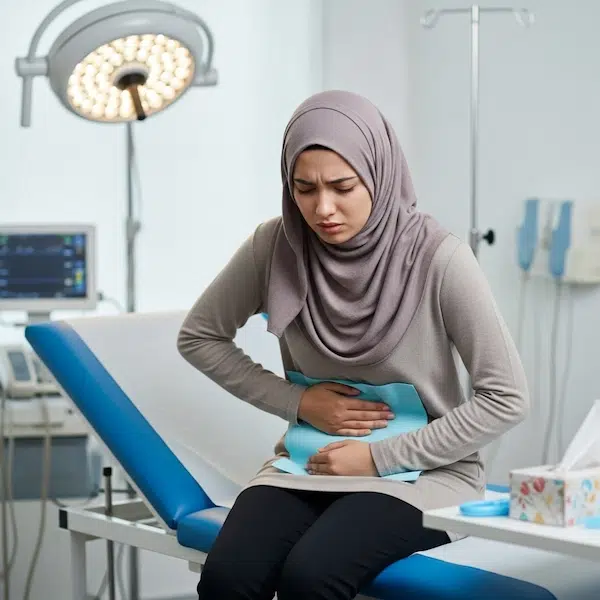
What is polycystic ovary syndrome?
Polycystic ovary syndrome (PCOS) is a common hormonal disorder that affects the function of the ovaries. The ovaries produce abnormally high levels of male hormones known as androgens. This imbalance leads to a disturbance in the hormonal balance within the reproductive system, often causing problems such as irregular or absent menstruation, and difficulty with regular ovulation.
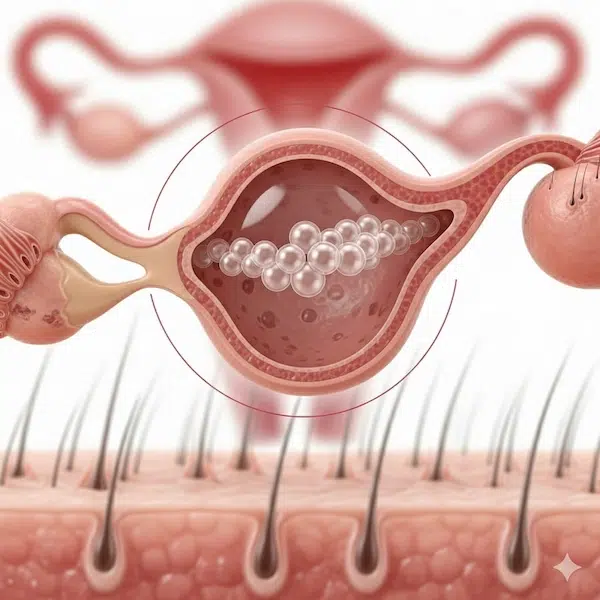
In some cases, small fluid-filled cysts can be seen on the ovaries when an ultrasound is performed, and they are caused by the presence of immature eggs.
The syndrome is one of the leading causes of infertility in women and may be associated with additional metabolic and cardiovascular health risks.
When does polycystic ovary syndrome appear?
PCOS can begin at any stage after puberty, but the first symptoms are often noticed in the early teens or a few years after menstruation begins.
Initial symptoms may include menstrual disturbances such as intermittent or absent periods, as well as signs of androgen excess such as excess facial and body hair growth, persistent acne, or hair loss.
There are factors that increase the likelihood of the syndrome appearing earlier or more severely, the most important of which are: family history of the syndrome, obesity or overweight, and insulin resistance.
In short, this syndrome may begin at any time after puberty, but diagnosis often occurs in the twenties and thirties, especially when there is a desire to become pregnant or when chronic symptoms appear that affect the quality of life.
The prevalence of polycystic ovary syndrome
Polycystic ovary syndrome is one of the most common hormonal disorders among women of reproductive age, with studies indicating that approximately 10% of women may suffer from it.
The syndrome usually appears in or just after puberty, and may only be diagnosed when trying to conceive or noticing symptoms such as irregular menstrual cycles, excessive hair growth, or persistent acne.
The syndrome may also be more common among women who have a family history of it, or among women who are obese or who suffer from insulin resistance.
Common symptoms and signs of polycystic ovary syndrome
Symptoms of polycystic ovary syndrome varyInclude:
- Irregular menstrual cycle: It may include complete absence of menstruation, delayed menstruation, or heavy bleeding when it occurs.
- Abnormal hair growth (hirsutism)Excessive hair appears on the face, chest, abdomen, and arms, and affects about 70% of infected women.
- young loveAcne may persist after adolescence, especially on the face, chest, and back, and is sometimes resistant to treatment.
- Obesity and weight gainIt affects about 40-80% of infected women, and losing weight is difficult.
- Skin darkening (acanthosis nigricans)Dark spots in skin folds, such as the neck, armpits, and under the breasts.
- Cysts on the ovaries: Ovaries that are larger or contain many follicles on ultrasound examination.
- Small skin tags: Mostly in the neck or armpits.
- Hair thinning or baldnessHair loss in different areas of the head.
- Infertility: Due to irregular or absent ovulation, which hinders normal pregnancy.
It should be noted that some women may develop the syndrome without clear symptoms, and it is often discovered when they experience difficulty conceiving or unexplained weight gain.
Causes of polycystic ovary syndrome
The exact cause of the syndrome is unknown, but there are several known factors that contribute to its appearance Among them are the following:
- High levels of androgens: It hinders ovulation and causes excessive hair growth and acne.
- Insulin resistance: It leads to high insulin levels, which stimulates the ovaries to secrete more androgens and affects ovulation.
- Low-grade inflammation: Mild chronic inflammation is often observed, which can be measured by C-reactive protein and white blood cell tests.
- Genetic factors: Family history plays a role in the likelihood of infection.
- Obesity: Increases insulin resistance and worsens hormonal symptoms.
Read also about: Uterine lift operation
Health risks associated with polycystic ovary syndrome
Studies indicate that the syndrome not only affects the menstrual cycle and fertility, but may also increase the likelihood of developing a number of chronic health problems in the long term. Among the most prominent are:
- Type 2 diabetes: Many women suffer from insulin resistance, a major factor in polycystic ovary syndrome, which increases the risk of high blood sugar levels and the development of diabetes.
- High blood pressure and cardiovascular diseaseHormonal imbalance and high insulin resistance may increase the risk of high blood pressure, and increase the possibility of heart disease and stroke in the long term.
- Endometrial hyperplasia and endometrial cancerPersistent irregular ovulation leads to the accumulation of estrogen without balance with progesterone, which increases the thickness of the uterine lining and raises the risk of developing hyperplasia or endometrial cancer.
- Sleep disorders: Such as obstructive sleep apnea, especially in obese women, which may affect sleep quality and increase physical and hormonal stress.
- Depression and anxietyThe hormonal changes associated with the syndrome, in addition to its effects on physical appearance and fertility, may contribute to increased rates of anxiety and depression in affected women.
Awareness of these risks allows affected women to take early preventive steps, such as regularly monitoring metabolic and hormonal health, and performing regular checkups to reduce potential complications.
How to diagnose polycystic ovary syndrome
Includes diagnosis of the syndrome usually:
- Medical history and clinical examination: Talk about menstruation, hair growth, acne, and ovarian ultrasound.
- Blood tests: To measure hormone levels, such as testosterone, other androgens, and pituitary hormones.
- Ovarian imaging: Ultrasound examination to check the size of the ovaries and the number of follicles.
The diagnosis is usually made if two of the three symptoms are present The following:
- Irregular or absent menstrual cycle
- Signs of hyperandrogenism clinically or via blood tests
- Multifollicular ovaries on imaging
Learn about: The best gynecologist in Almoosa Hospital in Al-Ahsa
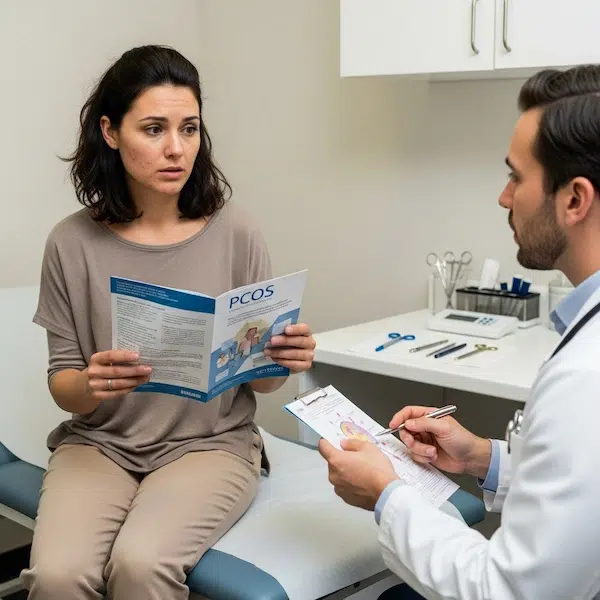
Methods of treating polycystic ovary syndrome
- Lifestyle modification
Lifestyle modification is the cornerstone of treating the syndrome. It includes:
- Weight loss of up to 5% can improve fertility and restore regular menstrual cycles.
- Exercise regularly and follow a low-calorie, nutrient-rich diet.
- Pharmaceutical treatments
1- Hormonal contraceptives
They are used to regulate the menstrual cycle and reduce symptoms of androgen excess such as hirsutism and acne, and can be in the form of pills, patches, vaginal rings or injections.
2- Antiandrogens
It helps reduce excess hair growth and treat acne, such as spironolactone or cyproterone, with the necessity of using contraceptives due to their effects on pregnancy.
3- Medicines that improve insulin sensitivity
Metformin It helps control insulin resistance and improve menstrual regularity. It may also be used to treat infertility in women with contraindications for using contraceptives.
4- GLP-1 and myoinositol agonists
- GLP-1 agonists It helps with weight loss, improves insulin sensitivity, and reduces testosterone levels in obese women.
- Myoinositol A dietary supplement that increases insulin sensitivity and is used to improve fertility or when metformin intolerance.
- Infertility treatment methods
- Ovulation stimulating medications: Such as letrozole and clomiphene to stimulate ovulation.
- Surgery: Rare, intended to remove androgen-producing ovarian tissue to improve ovulation.
- In vitro fertilization (IVF): An option when medications fail to stimulate ovulation.
- Treatment of skin symptoms
- Cosmetic interventions: Laser hair removal, electrolysis, or temporary methods.
- Topical treatments: Such as eflornithine for the face, but caution must be taken against side effects.
Ways to prevent and mitigate the effects of polycystic ovary syndrome
There is no sure way to completely prevent this syndrome, since genetic and hormonal factors play a major role in its occurrence. like:
- The first of these steps is to maintain a healthy weightIdeal weight helps improve hormonal balance and reduce insulin resistance, which is a major factor in the appearance of symptoms.
- Second, exercise regularly It enhances the body's sensitivity to insulin and improves metabolic health, in addition to its positive effect on hormone levels, which contributes to regulating the menstrual cycle and reducing excess hair growth and acne.
- Third, follow a balanced and healthy diet It focuses on reducing simple sugars and saturated fats, and increasing the intake of fiber and healthy proteins, which helps support metabolism and maintain a healthy weight, and reduces the exacerbation of symptoms associated with the syndrome.
By following these simple measures, women with PCOS can improve their quality of life and reduce their risk of health complications associated with the syndrome, such as diabetes and heart disease.

Pregnancy with polycystic ovary syndrome
Women with this syndrome can get pregnant, but the process is often more challenging than for women without it.
In addition, the syndrome increases the possibility of some pregnancy complications, such as gestational diabetes, high blood pressure during pregnancy, the possibility of premature birth before week 37, as well as the need for a cesarean section in some cases.
Therefore, the doctor develops a treatment plan aimed at improving the chances of getting pregnant safely, which may include the use of ovulation-stimulating medications such as clomiphene or letrozole, which work to increase the rate of egg release.
In cases where these medications do not work, assisted reproductive techniques can be used, such as in vitro fertilization (IVF), where the egg is fertilized outside the body before being transferred to the uterus.
In addition to drug treatment, it is also recommended to monitor the general health condition before pregnancy, such as controlling blood sugar levels and others, because these measures help reduce risks and improve the chances of a successful pregnancy in women with polycystic ovary syndrome.
FAQs
Is polycystic ovary syndrome hereditary?
Yes, there is a genetic component that increases the likelihood of infection if it is the mom Infected with it.
What are the affecting hormones?
Androgens, LH, FSH, estrogen, progesterone, insulin.
The difference between polycystic ovary syndrome and endometriosis?
Both cause reproductive problems, but PCOS affects ovulation and menstruation, while endometriosis causes pain and grows outside its normal place.
Read also about: Chocolate cyst disease
If you are suffering from symptoms of polycystic ovary syndrome or suspect that you are suffering from it, do not wait until the symptoms worsen. Get an accurate medical evaluation and an integrated treatment plan from the obstetrics and gynecology experts at Almoosa Health GroupAlmoosa provides the latest diagnostic and treatment techniques under the supervision of an elite group of specialized doctors.
Start today the journey of restoring your hormonal balance and leading a healthier and more comfortable lifestyle. Book your appointment now.
