
Rhinoplasty is one of the most common cosmetic procedures, as it aims to improve the shape of the nose or correct functional problems that affect breathing.

What is rhinoplasty?
Rhinoplasty is a surgical procedure aimed at modifying the shape or size of the nose to improve the external appearance or correct functional problems such as breathing difficulties.
The procedure includes reshaping the bones and cartilage of the nose to suit the facial features and achieve natural and balanced results.
Rhinoplasty is performed for cosmetic or medical reasons, and often helps boost self-confidence and improve quality of life.
Types of rhinoplasty
Surgical rhinoplasty
It is performed through surgical intervention to modify the bones and cartilage of the nose, and is used in cases that require a radical change in shape or correction of severe deviations.
Non-surgical rhinoplasty (fillers)
It relies on injecting fillers to temporarily improve the shape of the nose, such as correcting minor depressions or improving symmetry, without surgery.
Functional rhinoplasty
It is intended to treat problems that affect breathing, such as a deviated nasal septum, and may be accompanied by cosmetic improvement.
Purely cosmetic rhinoplasty
It is performed to improve the external appearance only, such as reducing the size of the nose or adjusting the tip of the nose, without functional problems.
Corrective rhinoplasty (secondary)
It is done to repair or improve the results of a previous operation that did not achieve the desired form or function.
The appropriate type of rhinoplasty is determined after a medical examination, evaluation of the shape of the nose and the patient's expectations.
قد يهمك معرفة: لصقات الخشم بعد العمليه التجميلية: السر الخفي وراء نجاح العملية
Reasons for resorting to rhinoplasty
Many people resort to rhinoplasty for cosmetic or medical reasons, as this procedure helps improve the shape of the nose or treat problems that affect its function. The most prominent reasons are::
- Improving the general appearance of the face and achieving better symmetry between its features.
- Correcting congenital defects in the shape of the nose from birth.
- Treating a deviated nasal septum that causes difficulty breathing.
- Repairing deformities resulting from accidents or injuries.
- Reducing or enlarging the size of the nose in proportion to the shape of the face.
- Improve the shape of the tip or bridge of the nose for a more balanced appearance.
- Increased self-confidence resulting from satisfaction with external appearance.
A single procedure may combine both cosmetic and functional goals at the same time depending on the patient's condition.
Who are suitable and unsuitable candidates for rhinoplasty?
Suitable candidates for rhinoplasty
A person is considered a suitable candidate for rhinoplasty if he meets the following conditions:
- The bones of the face and nose are fully developed.
- Enjoying good general health and not suffering from uncontrolled chronic diseases.
- The presence of a clear cosmetic or functional problem in the nose.
- Have realistic expectations about the results of the procedure.
- Willingness to adhere to the doctor’s instructions before and after surgery.
Unsuitable candidates for rhinoplasty
Rhinoplasty may not be the most appropriate option in the following cases:
- Incomplete nasal development (especially at an early age).
- Suffering from serious chronic diseases or disorders that affect wound healing.
- Having unrealistic expectations or a desire for radical change that does not match facial features.
- Suffering from active nasal infections or unstable health problems.
- Inability to commit to the recovery period and medical follow-up.
Determining the suitability of rhinoplasty is done after consulting a specialized plastic surgeon and conducting the necessary tests to ensure the best results.
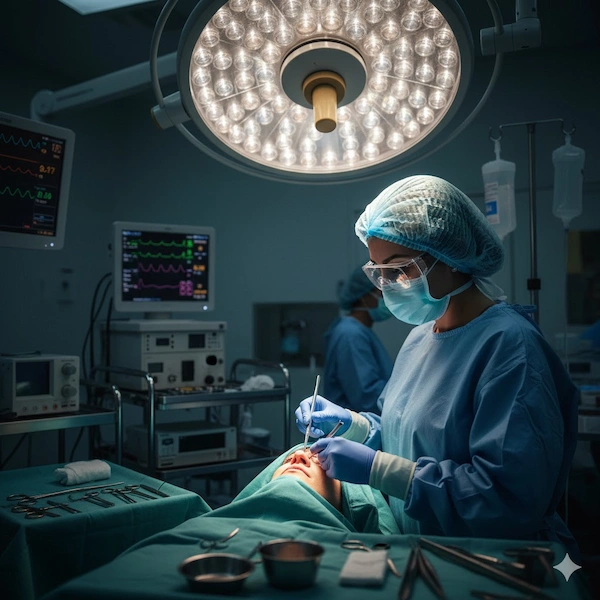
The difference between surgical and non-surgical rhinoplasty
|
The point |
Surgical rhinoplasty |
Non-surgical rhinoplasty |
|
method |
A surgical procedure that involves modifying the bones and cartilage of the nose. |
Using filler injections to temporarily change the shape of the nose. |
|
Duration of procedure |
It usually takes 1 to 3 hours depending on the condition. |
It only takes 15 to 30 minutes. |
|
Results |
Permanent and firm after full recovery. |
Temporary and lasts from several months to a year, depending on the type of filler. |
|
Anesthesia |
It requires general or local anesthesia. |
It does not require anesthesia or only simple anesthesia. |
|
التعافي |
Relatively long recovery period with minimal swelling and bruising. |
Very fast recovery, without pain or major side effects. |
|
Risks |
Surgical risks such as bleeding, infection, and permanent changes. |
There are fewer risks, but the results are temporary and you may need to re-inject. |
|
the goal |
Comprehensive modification of the shape and function of the nose. |
Correct minor imperfections such as ripples or dips. |
Choosing the type depends on the nature of the problem and expectations, and it is always recommended to consult a specialist doctor to determine what is most appropriate.
Read more about The best beauty clinics in Al-Ahsa
Benefits of rhinoplasty
Rhinoplasty is not only for the beauty of the shape, but it plays an important role in improving the quality of life by improving breathing and daily comfort. And also:
- Improving the shape and external appearance of the nose, enhancing the symmetry of facial features.
- Correcting breathing problems resulting from a deviated nasal septum or other internal defects.
- Increase self-confidence and feel satisfied with your overall appearance.
- Correcting deformities resulting from accidents or birth defects.
- Improving nasal function with aesthetic appearance in cases that combine cosmetic and occupational therapy.
- Permanent and long-lasting results with proper care and follow-up.
Tips before and after rhinoplasty
Tips before rhinoplasty
- Consult a specialist plastic surgeon and conduct the necessary tests to ensure that the procedure is suitable for your condition.
- Stop taking medications that may increase bleeding, such as aspirin or anti-inflammatory drugs, before a period determined by the doctor.
- Refrain from smoking and alcohol at least two weeks before the operation, as they affect wound healing.
- Make sure you are psychologically comfortable and prepared to adhere to the doctor’s instructions before and after surgery.
- Arrange amenities at home for the recovery period, such as comfortable pillows and assistance with daily tasks.
Tips after rhinoplasty
- Carefully follow your doctor's instructions regarding nose care and cleaning to avoid infections.
- Keep the head elevated while sleeping to reduce swelling andBruises.
- Avoid strenuous activities and violent sports for at least 4-6 weeks.
- Do not expose the nose to direct sunlight for the recovery period to avoid skin discoloration.
- Take prescribed medications regularly and do not hesitate to contact your doctor if any complications occur.
- Pay attention to any abnormal signs such as persistent bleeding or severe pain and notify your doctor immediately.

The cost of surgical rhinoplasty in Saudi Arabia
In general, the cost of surgical rhinoplasty in Saudi Arabia ranges between approximately 12,000 and 40,000 Saudi riyals, and may increase in some complex cases or when choosing a famous surgeon or a luxury clinic.
In Riyadh, for example, many clinics estimate the price at approximately 18,000 to 30,000 Saudi riyals for the complete procedure.
Prices also vary by city;
Cost of non-surgical rhinoplasty (fillers)
If you are looking for non-surgical rhinoplasty with liquid rhinoplasty, the cost is usually approximately 1,000 to 5,500 Saudi riyals, depending on the quantity and type of filler and the number of sessions.
Important notes about prices
- Prices are not fixed and may increase or decrease depending on: the experience of the surgeon, the level of the hospital/clinic, the type of anesthesia, the medical complexity of your case, and additional services (such as post-operative follow-up).
- The cost usually includes the surgeon's fees + anesthesia + use of the operating room + the first follow-up kit, but there may be additional costs if there is septal deviation correction or secondary surgery.
Conclusion
Rhinoplasty is a delicate operation that requires high medical expertise and a deep understanding of the symmetry of facial features and breathing functions.
At Al Mousa Health Hospital, we are keen to provide the best medical care through a team of specialized plastic surgeons, while following the highest standards of safety and care before and after the operation to ensure natural and satisfactory results that are in line with your expectations.
Are you considering rhinoplasty? Al Mousa Specialist Hospital To book your personal consultation with one of our best doctors, and discover a customized treatment plan that suits your needs, Book appointment — and get ready for positive change!
Frequently asked questions about rhinoplasty
Is rhinoplasty painful?
With proper anesthesia, the patient does not feel pain during the operation, and some minor pain may occur after surgery that can be controlled with medications.
How long does the recovery period take after the operation?
The initial recovery period lasts about 1-2 weeks, with swelling and bruising gradually disappearing over the following weeks.
هل تظهر نتائج العملية فورًا؟
Initial results appear after removing the splint, but the final shape of the nose takes from 6 months to a year to be completed due to the stability of the tissues.
Are there risks or complications?
Like other surgeries, there are some potential risks, such as bleeding or infection, but these are rare if you choose an experienced doctor and follow the instructions.
Can I repeat the procedure if I don't like the result?
Yes, there are corrective operations that are performed after a careful evaluation by a specialist doctor.
