
He cares Many people know information about soft tissue sarcoma in detail, as it represents a type of cancer that is rarely detected in cancer patients, and it is not widely talked about. This type of cancer has a significant negative impact on the lives of those affected unless it is treated in its early stages. Here, the role of Al Moosa Health Hospital is highlighted as the best hospital in the Kingdom because it has the best elite group of doctors in all specialties.
What is soft tissue sarcoma?
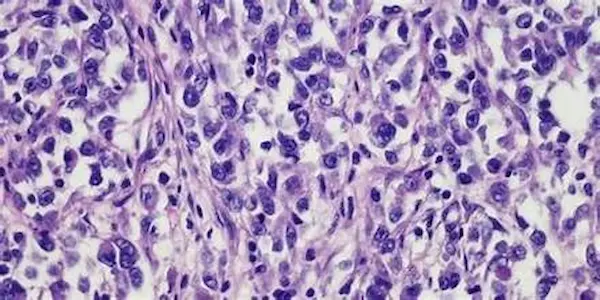
Soft tissue sarcoma is known as a rare type of cancer that originates in the supportive and connective tissues of the body, such as bones, muscles, tendons, cartilage, nerves, fat, and blood vessels. These sarcomas can develop anywhere in the body, but they often appear in the arms, legs, chest area, or abdomen. Below is a breakdown of the types of this cancer.
Types of sarcoma cancer
The term sarcoma refers to a type of cancer that affects either the bone or soft tissue, including Kaposi's sarcoma and leukemia. The most common types include:
Osteosarcoma
Primary bone sarcoma is a type of cancer that begins in the bones themselves. It is noted that more than a third of bone sarcoma cases are diagnosed in individuals under the age of 35 and children. Types of primary bone sarcoma include the following:
- Osteosarcoma (the most common).
- Chondrosarcoma.
- Chordoma.
- Ewing's sarcoma cancer.
- Lymphosarcoma cancer.
In contrast to primary bone cancer, metastatic bone cancer begins elsewhere in the body and then moves to settle in the bones. This type of cancer comes in many forms and shapes, and often spreads from the thyroid, lung, kidney, breast, or prostate. When cancer spreads from a distant organ to the skeleton, it may cause structural problems in the bones, which may cause pain and reduce the ability to perform their functions.
Soft tissue sarcoma
Soft tissue sarcoma begins in the muscles or other connective tissues in the body. Unlike bone sarcoma, the majority of soft tissue sarcoma cases occur in adults. There are certain types of sarcoma, such as rhabdomyosarcoma, that appear primarily in children. Types of soft tissue sarcoma include:
- Hemangiosarcoma.
- Small round cell tumors desmoplastic.
- Gastrointestinal tissue tumor (GIST).
- Malignant sarcoma tumor.
- Liposarcoma.
- Malignant tumor of the peripheral nerve sheath.
- Malignant schwannoma.
- Myxofibrosarcoma.
- Rhabdomyosarcoma.
- Synovial sarcoma.
- Undifferentiated pleomorphic sarcoma.
Causes of soft tissue sarcoma
Soft tissue sarcoma occurs as a result of changes in the DNA of cells that make up soft tissue or bone, turning them into cancer cells. These cells begin to grow and multiply irregularly, which often leads to the formation of a tumor. If this tumor is not treated, it may spread to affect other organs in the body. Doctors are still not sure of the exact cause of sarcoma, but there are a group of factors that increase the possibility of developing it. The most important risk factors for developing sarcoma include the following:
- Exposure to chemicals: If you are exposed to substances such as arsenic, chemicals used to make plastics, wood preservatives, or herbicides, your risk of infection may increase.
- Lymphedema: This is a condition of swelling of the arms or legs for prolonged periods.
- Radiation: prior exposure to radiation therapy for the purpose of treating other tumors.
- Genetic conditions: These include inherited disorders or chromosomal imbalances.
exploration أنواع السرطان From treatable types to incurable cases
Symptoms of soft tissue sarcoma
In the initial stages, soft tissue sarcoma may not show any symptoms. Over time, it may begin to appear as a painless lump under the skin, often in the legs or arms. Sarcoma that originates in the abdominal area may not show signs or symptoms until it becomes large. When sarcoma spreads, it puts pressure on nearby organs, nerves, muscles, or blood vessels. Signs and symptoms depend on the location of the lesion, and may include the following:
- The appearance of a painless mass under the skin that is difficult to move and gradually increases in size.
- Swelling in the abdominal area may be accompanied by pain, a feeling of fullness, and constipation.
- Swelling near the lungs may cause difficulty breathing.
Complications of soft tissue sarcoma
The most important potential complications of soft tissue sarcoma include:
- The spread of cancer cells to other areas of the body.
- Increased risk of infection due to a weakened immune system, which is a complication associated with treatment for soft tissue sarcoma.
Methods of diagnosing soft tissue sarcoma
The specialist doctor may refer you to undergo a series of tests to confirm the presence of soft tissue sarcoma. These tests include the following:
- Imaging examinations: such as ultrasound examination and magnetic resonance imaging.
- Biopsy: A sample of suspected cancerous tissue is removed either using a needle or during surgery, to be later analyzed in a laboratory.
Book your consultation now at Oncology center At Al Mousa Specialist Hospital.
Methods of treating soft tissue sarcoma
Treatment for soft tissue sarcoma depends on several factors including the size, type and location of the tumor, however treatment is generally done using the following methods:
Performing surgery
Surgery is the most common method of treating soft tissue sarcoma, and is often used if the disease is detected in its early stages. Surgery involves removing the tumor and part of the surrounding tissue to ensure that all cancer cells are removed.
Medical teams make every effort to reduce the impact of surgery on the appearance and function of the affected part of the body, but the patient may face some difficulties in using this part after surgery, and in some cases another surgical operation may be required to repair it.
In cases where sarcoma is found in the extremities, such as the legs and arms, it is preferable to start with radiotherapy or chemotherapy to reduce the size of the tumor and avoid the need for amputation. However, in some cases, surgery and amputation may be the only appropriate option, unfortunately.
Radiotherapy
Radiation therapy is used by shining high-energy beams on the affected area, and it can be used in one of the following ways:
- Before surgery: Radiation therapy is used to shrink the tumor and facilitate its surgical removal.
- During surgery: Radiation during surgery allows a higher dose to be delivered directly to the target area while sparing surrounding tissue.
- After surgery: Radiation therapy helps kill and get rid of any cancer cells remaining after the operation.
- Treatment without resorting to surgery: It is used to relieve symptoms and prevent the disease from getting worse if surgery is not possible. Radiotherapy has many side effects, the most prominent of which are skin inflammation, feeling tired, and hair loss. These symptoms are often temporary and the patient’s condition improves within a few days or weeks of the end of radiotherapy.
Chemotherapy
Used Chemotherapy With the aim of killing cancer cells, chemotherapy can be in the form of tablets taken orally or by intravenous injection. Intravenous chemotherapy is often used before surgery to reduce the size of the tumor and facilitate its removal. Chemotherapy can also be used alone or in conjunction with radiotherapy if surgical intervention is not possible.
Some types of soft tissue sarcoma respond better to chemotherapy than others. Chemotherapy is often used to treat rhabdomyosarcoma. Side effects of chemotherapy include:
- Feeling constantly tired.
- Feeling nauseous.
- Hair loss: These symptoms may be annoying, but they are temporary and do not last long.
Targeted drug therapy
Some types of soft tissue sarcoma have specific characteristics of their cells that can be targeted using targeted drug therapies. These drugs work more efficiently than chemotherapy and are considered less toxic. These targeted therapies are particularly useful in treating Gastrointestinal tumors Gastrointestinal stromal tumors.
How to prevent soft tissue sarcoma
It is difficult to determine specific preventive measures to prevent sarcoma cancer due to the wide variety of types of this disease and the different risk factors that may contribute to its appearance. However, there are some general steps that can be taken to help reduce the risk of sarcoma cancer, including the following:
- Maintain a healthy weight, exercise regularly, eat a diet rich in fruits, vegetables and fiber, and avoid smoking and alcohol.
- It is recommended to avoid excessive exposure to direct sunlight, use sunscreen, and avoid exposure to harmful chemicals and environmental pollutants.
- It is important to undergo regular check-ups and regular medical examinations for early detection of any suspicious signs that may indicate the presence of sarcoma.
- Monitor your health regularly, especially if you are at risk for sarcoma, and talk to your doctor about any concerns you may have.
Frequently asked questions
What is the cure rate for soft tissue cancer?
The five-year survival rate for cancer that has spread to nearby organs or lymph nodes is about 50%, and once soft tissue sarcoma has spread to other parts of the body, the five-year survival rate is approximately 18%.
Is soft tissue cancer dangerous?
The most prominent complications of soft tissue sarcoma are the spread of cancer to other areas of the body and the increased risk of infection due to weak immunity, which occurs as a complication of treatment for soft tissue sarcoma.
Is sarcoma benign or malignant?
Sarcoma is definitely a malignant disease. It is a type of cancerous tumor that can be dangerous and grow quickly. It is made up of abnormal cells that grow irregularly and may spread to other tissues or organs in the body, such as the lungs, liver, and bones. This spread is what makes sarcoma a malignant disease and very complex to treat.
In conclusion, we can say that the treatment of soft tissue sarcoma cancer depends on various factors, including the type of cancer, its location, and its stage, in addition to the patient’s general health condition. Treatment options include surgery, radiotherapy, chemotherapy, targeted therapy, immunotherapy, or a combination of these therapeutic methods, which are determined by the specialist doctor within Al Mousa Health Hospital, who works according to several modern and advanced treatment programs and plans that help in recovery as quickly as possible, God willing.
المصادر الطبية:
Soft tissue sarcoma – nhs
Soft Tissue Sarcoma -clevelandclinic
