
Stable angina occurs when the heart does not receive enough oxygenated blood, which causes pain. Treatment aims to relieve symptoms and improve the patient's quality of life, in addition to reducing the risk of a heart attack or other complications.
Stable angina
It is a type of severe chest pain that occurs when the heart does not receive a sufficient amount of oxygen-rich blood, and it occurs suddenly when an increased effort is made and the arteries feeding the heart are unable to meet the heart’s need for oxygen-rich blood.
Check out Respiratory rehabilitation For lung patients to improve breathing
Causes of stable angina pectoris
The main cause of stable angina is a lack of blood flow to the heart muscle during exertion. Several factors contribute to this, as follows:
- Coronary artery disease (atherosclerosis): One of the most important causes of stable angina is the result of the accumulation of fatty deposits and cholesterol particles within the walls of the coronary arteries, causing them to narrow and harden, which reduces the flow of oxygen-rich blood to the heart muscle, especially during stress or exercise.
- High blood pressure: stresses the heart and arteries.
- Smoking: Because it increases the risk of atherosclerosis.
- High cholesterol: contributes to the accumulation of fatty deposits in the arteries.
- Family history: Having a family history of heart disease increases the risk.
- Increasing age: The risk increases in men after 45 years and women after 55 years.
- Obesity: increases the risk of cardiovascular disease.
- Diabetes: increases the risk of cardiovascular disease.
- Lack of physical activity: increases the risk of cardiovascular disease.
- Unhealthy diet: Eating foods high in saturated fats and cholesterol.
- Hyperthyroidism.
- Stress and psychological pressure.
- Some rare causes: such as an enlarged heart muscle, blockage of the lung arteries, or blockage of the aortic valve.
Symptoms of stable angina
Stable angina is characterized by distinct symptoms that appear repeatedly during physical exertion or exposure to stress or psychological pressure, and then disappear with rest. The most prominent of these symptoms include the following:
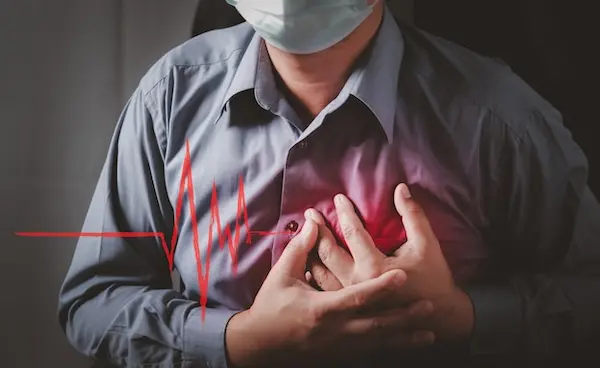
- Chest pain, characterized by a feeling of heaviness or pressure in the middle of the chest or the left side of it, may be described as a feeling of squeezing or burning, and the pain may spread to the shoulders, arms, neck, jaw, or back.
- Feeling difficult and short of breath, especially during exertion.
- Feeling nauseous or dizzy.
- Exhaustion and fatigue
- التعرق البارد.
You must seek immediate medical assistance and go to the nearest hospital in the following cases:
- If your chest pain is severe or persistent.
- If your chest pain is accompanied by severe shortness of breath, dizziness, or sweating.
- If the symptoms do not disappear even after taking a break.
Get to know التهاب الرئة المزمن كيف يمكن علاجه والوقاية منه
Methods of treating stable angina pectoris
The main goal of treating stable angina is to relieve symptoms and improve the patient's quality of life, in addition to reducing the risk of a heart attack or any other complications. Treatment methods at Al Mousa Specialist Hospital include the following:
Lifestyle change guidelines
- A healthy diet includes eating fruits, vegetables, whole grains, lean proteins, and reducing saturated fat, cholesterol, and sodium.
- Maintain a healthy weight because obesity increases the risk of heart disease.
- Exercise regularly to improve cardiovascular health.
- Quitting smoking is a major risk factor for cardiovascular disease.
- Avoid stress and tension as it exacerbates angina symptoms.
- Control risk factors such as high blood pressure, high cholesterol and diabetes.
- Commitment to taking prescribed medications at the specified times and doses.
Treating stable angina with medications
- Nitroglycerin, or a sublingual pill that helps dilate blood vessels and improve blood flow to the heart.
- Beta blockers, which reduce heart rate and blood pressure.
- Calcium channel blockers, which dilate blood vessels and reduce blood pressure.
- Antiplatelet medications, such as aspirin, to reduce the risk of blood clots.
- Cholesterol-lowering medications help lower blood cholesterol levels.
- Ranolazine, because it helps improve blood flow to the heart.
Book your consultation now at عیادة أمراض الجهاز التنفسي At Al Mousa Specialist Hospital.
Treatment of stable angina pectoris with surgery
- Coronary angioplasty and stenting, a type of minimally invasive surgery, in which a catheter is inserted into a blocked coronary artery and expanded with a balloon, then a stent is placed so that the artery remains open.
- Coronary artery bypass surgery Through open heart surgery, a blood vessel is taken from another part of the body and used to make a connection to bypass a blocked coronary artery.
Frequently asked questions
How long does stable angina last?
In general, a stable angina attack lasts only a few minutes, often between one and five minutes, and in rare cases it may last up to 10 minutes.
What happens to the body after angina?
Several changes occur in the body after angina, and these changes depend on the severity of the angina and how long it lasts, in addition to the person’s general health condition. These changes include the following:
Short-term changes during and immediately after a seizure
- Damage to the heart muscle, as a result of a lack of oxygen resulting from angina pectoris continuing for a long time or if it is severe. This damage may lead to weak heart function, and may develop into a heart attack in severe cases.
- Heart rhythm disturbances, such as a rapid or irregular heartbeat. These disturbances can sometimes be serious and may lead to cardiac arrest.
Long-term changes after recovery from a seizure
- Poor heart function, as a result of scarring that may be left by damage to the heart muscle, leading to permanent weakness in heart function.
- Difficulty in practicing physical activities, and it may develop into heart failure in severe cases.
- Increased risk of other heart attacks.
It should be noted that it is necessary to seek immediate medical attention if you experience symptoms of angina, as early treatment can help reduce the risk of heart muscle damage and other complications.
People who suffer from angina must follow a comprehensive treatment plan that includes medications and lifestyle changes to avoid worsening the condition and leading to serious complications that lead to death.
What is the difference between stroke and angina?
Although the symptoms of angina and heart attack are similar, they are two different conditions. In short, angina is the warning, while the heart attack is the event. The points of difference are as follows:
- Angina occurs as a result of a temporary lack of blood flow to the heart muscle, due to narrowing of the coronary arteries, while a heart attack occurs as a result of a complete blockage in one of the coronary arteries, which leads to the cessation of blood flow to part of the heart muscle.
- Symptoms of angina include pain or pressure in the chest that lasts for a few minutes and is relieved by rest, while symptoms of a heart attack are characterized by severe chest pain that lasts for a longer period and is not relieved by rest.
- Angina usually does not cause permanent damage to the heart muscle and is considered a warning sign of coronary artery disease. It increases the risk of a heart attack. A heart attack causes permanent damage to the heart muscle, and the damage may be severe if immediate treatment is not done. It is a life-threatening emergency.
In conclusion, treatment of stable angina is crucial to maintaining cardiovascular health and improving the patient's quality of life, and treatment requires a comprehensive approach that includes lifestyle changes, medications, and surgical intervention when necessary.
The cardiovascular clinics at Al Mousa Specialist Hospital offer comprehensive cardiac rehabilitation care programs to help patients recover and improve their cardiovascular health, and also include a multidisciplinary medical team of cardiologists, nutritionists, and physical therapists.
You can visit the website of Al Mousa Specialist Hospital or call us directly on our numbers listed on the website to obtain more information about stable angina treatment services.
Sources and references
Angina – bhf
Angina – healthdirect
